
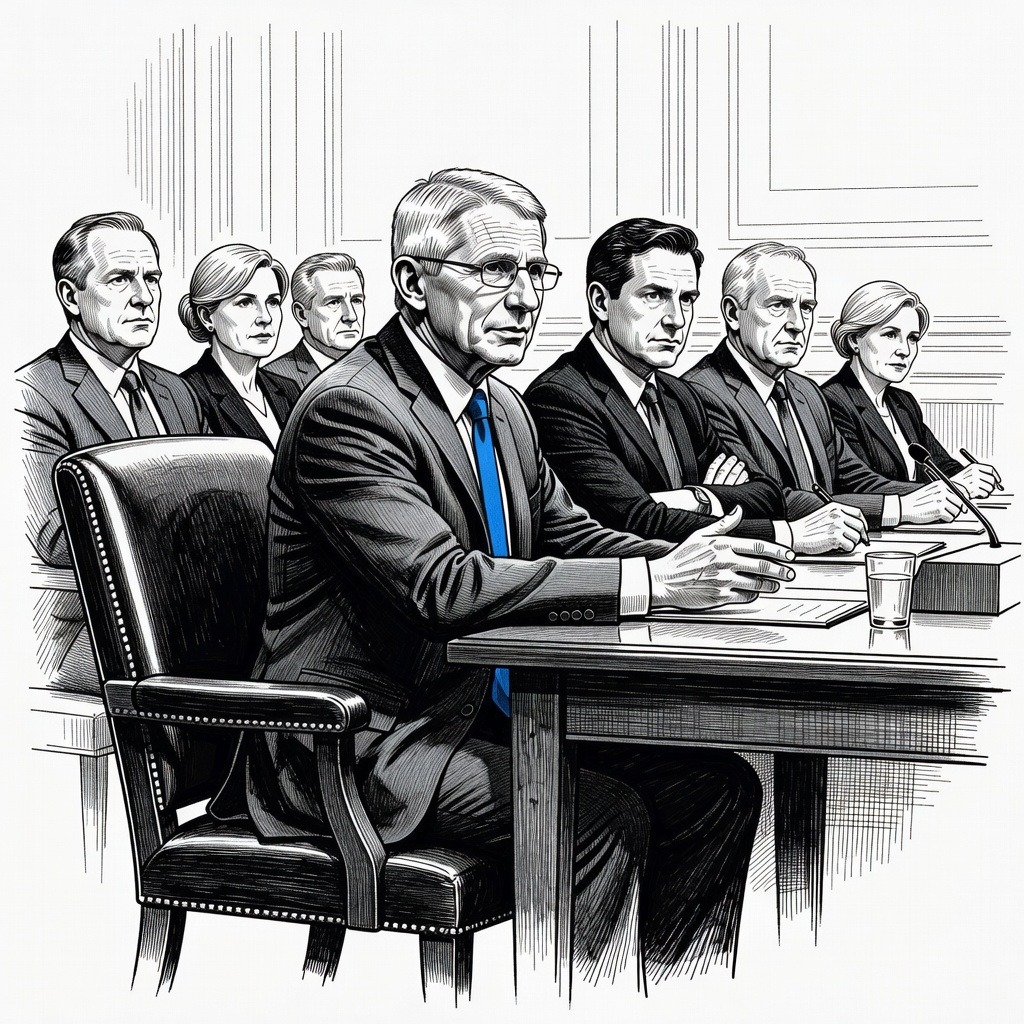
• Shielding Civil Liberties from Congressional Overreach The constitutional right against self-incrimination is a foundational protection for all citizens, meaning Dr. Fauci's decision to invoke his Fifth Amendment rights 111 times must not be weaponized as an admission of guilt. The public release of over 1,000 pages of personal diaries by Committee Chair Senator Rand Paul represents an invasive breach of privacy that degrades the standards of congressional oversight. Pursuing a contempt vote against a retired public servant sets a dangerous precedent of using legislative power for political retaliation rather than constructive policymaking. Protecting civil liberties from such aggressive legislative overreach is essential to preserving the balance of power and shielding public servants from targeted harassment.
• Insulating Public Health from Ideological Capture Scientific progress relies on objective research, empirical consensus, and protecting scientific institutions from political interference. Appointing Steven Quay—a figure who accuses virologists of academic fraud and promotes the lab-leak theory—to manage a $6.5 billion research budget threatens to institutionalize fringe theories and erode scientific credibility. Because the position bypasses Senate confirmation, this appointment subverts traditional democratic checks designed to ensure qualified, consensus-driven leadership at the NIAID. Elevating ideological actors over mainstream scientific consensus, which favors a natural origin as documented by the World Health Organization, risks isolating the American scientific community.
• Averting the Populist Erosion of Public Trust The stability of public health infrastructure depends on maintaining public confidence and protecting administrative leaders from targeted legal and social campaigns. Allowing state attorneys general to launch criminal investigations, challenging federal pardons, and validating public attacks from figures like Aaron Rodgers creates a highly hostile environment for public servants. This climate of personal liability and retroactive prosecution discourages top-tier scientific talent from entering government service out of fear of future political persecution. Ultimately, dismantling administrative stability for short-term political gains leaves the nation vulnerable to systemic failures during future public health crises.
How it may affect me
As a U.S. reader:
• In the short term, the appointment of a new NIAID director who bypasses Senate confirmation could immediately redirect a 6.5 billion dollar federal research budget toward investigating the lab-leak theory and away from mainstream scientific consensus.
• In the long term, heightened legal and political scrutiny of public health officials may deter leading scientific experts from taking government roles, potentially leaving the country less prepared for future health emergencies.
• Continued investigations into federal grants may result in tighter restrictions and new accountability measures for how taxpayer money is distributed to high-risk scientific research.
• The ongoing conflict between government investigators and scientific agencies may either increase transparency in public health administration or deepen public skepticism toward federal scientific guidance.