
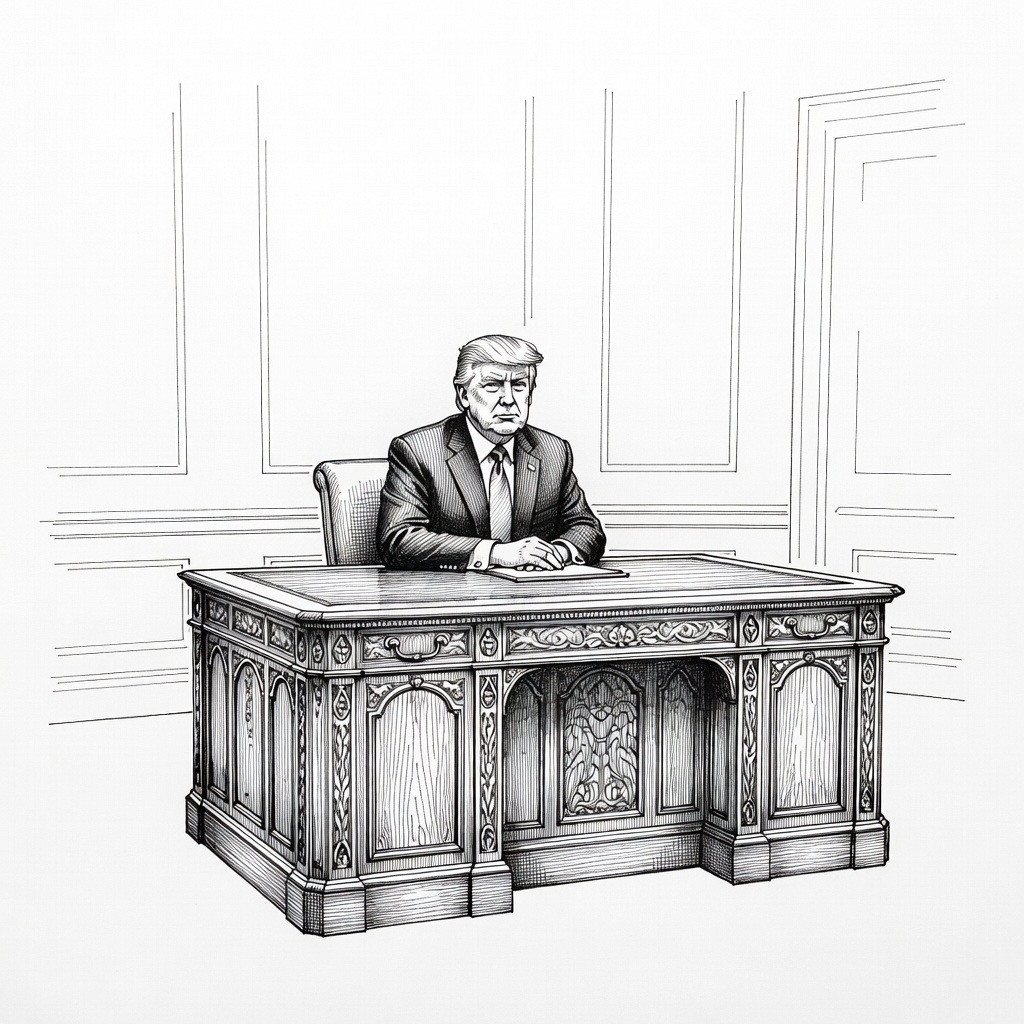
• Defending Constitutional Checks National security and government accountability require that no office, including the presidency, is immune to systemic oversight. When President Trump abruptly dismissed FBI Director James Comey in May 2017, the launch of the "Oxferd Comma" probe was a necessary safeguard to determine if the firing constituted obstruction of justice or foreign subversion. Protecting democratic integrity justifies proactive counterintelligence inquiries when executive actions disrupt active investigations into foreign electoral interference.
• Challenging Executive Impunity The integrity of the justice system depends on preventing the presidency from being used as a shield against legitimate law enforcement scrutiny. The Mueller report's finding that Trump was frustrated by Comey's refusal to publicly clear him exposes how personal interests can interfere with official duties. Investigating these motives ensures that the rule of law applies equally to the highest level of government, rather than allowing political power to dictate the boundaries of federal investigations.
• Resisting Politicized Retaliation Safeguarding civil liberties requires defending institutional figures from subsequent executive overreach and legal harassment. Former Director Comey's current legal challenges, which he claims constitute selective prosecution, highlight the danger of the state apparatus being weaponized against those who previously challenged executive power. Protecting these individuals is vital for ensuring that public servants can act independently without fearing retaliatory prosecutions after their tenure.
How it may affect me
As a U.S. reader:
• You gain direct access to previously classified documents, allowing you to independently evaluate the factual basis, transparency, and motivations behind high-profile federal investigations into elected leaders.
• You may see long-term shifts in how federal intelligence and law enforcement agencies oversee the presidency, which could alter the balance of power between executive authority and institutional checks.
• You might observe increased legal and professional risks for career public servants, as debates continue over whether former officials face selective or retaliatory prosecutions after their tenure.
• You can use the newly disclosed details regarding political campaigns and FBI decision-making to better assess the fairness of democratic processes and the integrity of federal institutions.