
Federal Judge Dismisses Final Seditious Conspiracy Cases Against Oath Keepers

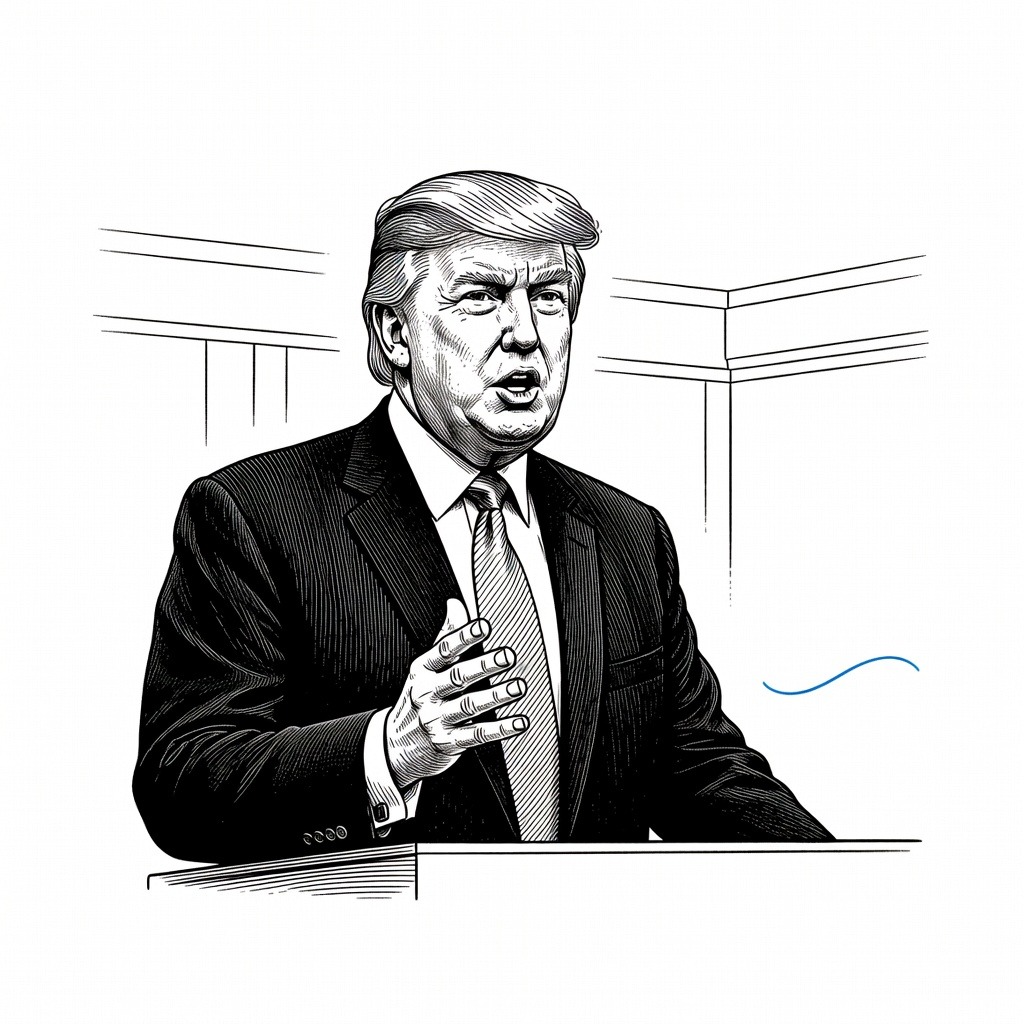
Illustration for: Federal Judge Dismisses Final Seditious Conspiracy Cases Against Oath Keepers
AI-generated illustration. Visual interpretation does not represent real individuals or scenes.

THE BARE STORY

A federal judge has granted a Justice Department motion to dismiss the final remaining prosecution stemming from the January 6, 2021, Capitol attack. The ruling formally vacates the cases against eight members of the Oath Keepers militia group, including founder Stewart Rhodes, who had previously been sentenced to 18 years in prison following a jury conviction for seditious conspiracy.

U.S. District Judge Amit Mehta expressed reluctance in granting the motion, stating he had virtually no power to deny the Justice Department's request. Mehta wrote that the dismissal diminishes the gravity of the riot and denigrates law enforcement, noting that the government did not argue that the charges were legally deficient or that prosecutorial misconduct had occurred. Conversely, defense attorney James Lee Bright praised the decision, claiming seditious conspiracy should never have been charged and describing it as a "thought crime."

The dismissal follows Day One presidential pardons by Donald Trump that released nearly all defendants charged in connection with the Capitol attack. President Trump has continued to support the rioters and has defended a proposed anti-weaponization fund, estimated between $1.776 billion and $1.8 billion, to compensate individuals who claim they were targeted by the Justice Department under the Biden administration. Trump has refused to rule out payments to January 6 rioters, though he noted the fund faces bipartisan resistance in Congress.

Meanwhile, former federal prosecutors urged the U.S. Senate to reject Trump's judicial nominees who deny the January 6 violence or the 2020 election results, warning that such appointments pose a danger to future election disputes. White House spokeswoman Lauren Bis defended the nominees, stating they are highly qualified and hold great respect for the Constitution, while Senator Richard Blumenthal criticized them for failing to directly answer questions about the 2020 election.

Same Facts. Different Perspectives.

Two AI models. Two viewpoints. One factual foundation.

• Reining in Prosecutorial Excess Preserving the rule of law requires protecting citizens from overzealous, politically motivated prosecutions that stretch legal definitions. The dismissal of the seditious conspiracy cases against the Oath Keepers, including Stewart Rhodes, corrects what defense counsel characterized as the charging of a "thought crime." Utilizing the constitutionally granted presidential pardon power is a legitimate mechanism to restore balance and prevent the state from establishing dangerous legal precedents regarding political dissent.

• Asserting Presidential Prerogative Executive authority, including the unilateral power to pardon, exists as a vital constitutional check on the judicial branch. The Day One pardons granted by President Trump represent a decisive exercise of this authority to close a divisive chapter of national unrest. Dismissing these final cases, even when faced with judicial reluctance from Judge Mehta, upholds the constitutional supremacy of executive clemency over lower-court preferences.

• Restoring Civil Liberty Protections The preservation of liberty demands a robust defense against the administrative state's capacity to target political opponents. The proposed $1.776 billion to $1.8 billion anti-weaponization fund serves as a necessary mechanism to safeguard citizens against the weaponization of federal law enforcement. Providing a financial shield for individuals targeted by the previous administration's Justice Department establishes a critical deterrent against future politically motivated prosecutions.

How it may affect me

As a U.S. reader:

• You may see the creation of a proposed 1.776 billion to 1.8 billion dollar fund using state resources to financially compensate individuals who claim they were targeted by federal law enforcement.

• Future legal challenges to election results could be decided by new judicial nominees whose skepticism of past election outcomes could either compromise judicial impartiality or protect citizens from administrative overreach.

• In the long term, the dismissal of these high-profile conspiracy cases through presidential pardons may either weaken the legal consequences and deterrents for political disruptions or safeguard citizens from overzealous government prosecution of political dissent.

Read the story at

Note: All TheBareNews content is AI-generated. For additional context, reporting, and updates, you are invited to explore the news outlets linked above.