
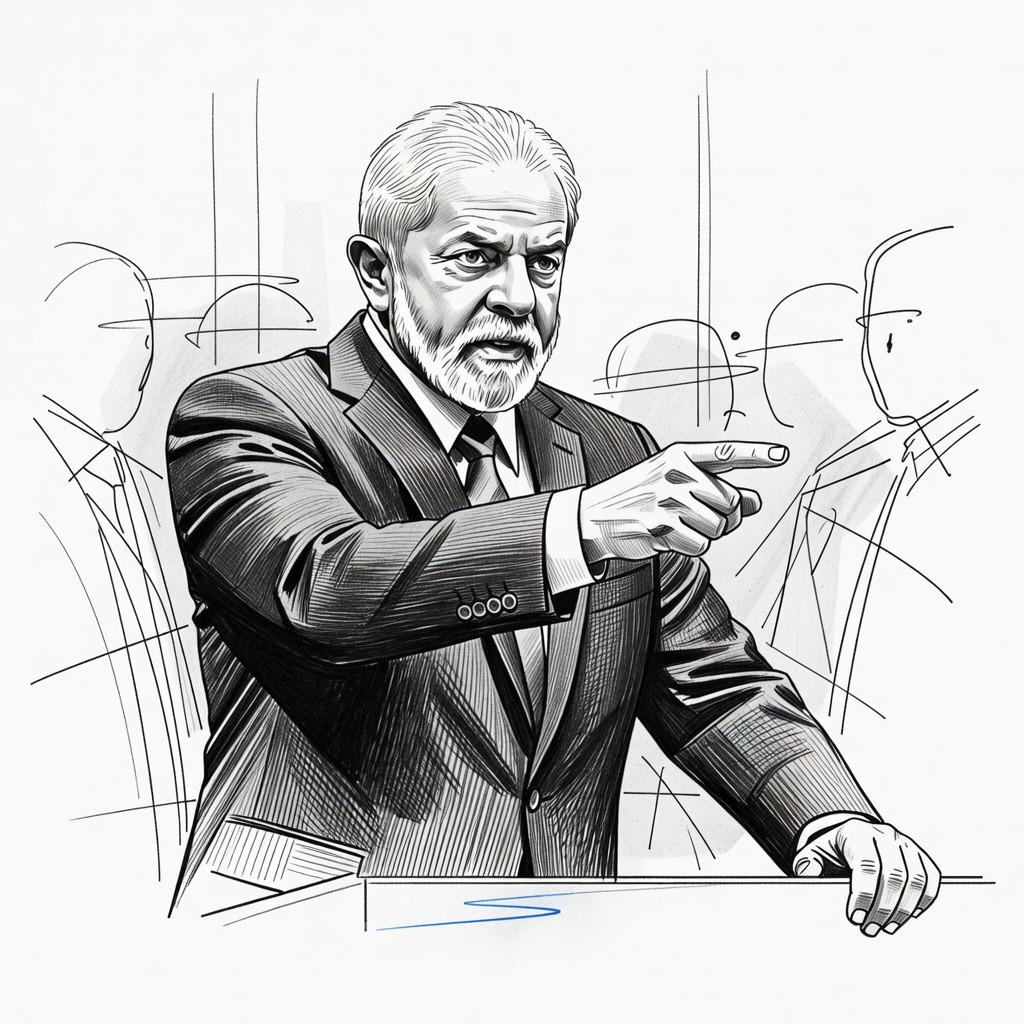
• Resisting Coercive Diplomatic Leverages The priority is safeguarding sovereign autonomy and diplomatic equality against unilateral pressure. Conditioning the visa status of Brazilian Ambassador Maria Luiza Ribeiro Viotti on the approval of U.S. nominee Daniel Perez represents an asymmetric use of power that undermines standard international relations. This transactional approach subverts established diplomatic norms by turning routine administrative processes into tools of geopolitical coercion.
• Shielding Democratic Self-Determination The core value is protecting domestic democratic processes from external manipulation and ensuring fair elections. Denying entry to foreign officials claiming to monitor "election integrity" is a necessary defense of Brazil's sovereignty ahead of the high-stakes October 4 election between Lula and Flávio Bolsonaro. In a political climate still recovering from Jair Bolsonaro’s 2022 attempted coup—for which he is serving a 27-year prison sentence—preventing foreign oversight is crucial to maintaining the independent legitimacy of the electoral process.
• Challenging Neoliberal Hegemonic Overreach The underlying priority is protecting regional economies and national security frameworks from punitive foreign intervention. Imposing up to 37.5% tariffs under the guise of "unfair trade" ignores the long-standing U.S. trade surplus with Brazil and serves as economic bullying. Furthermore, designating domestic drug-trafficking groups as foreign terrorist organizations is viewed as a dangerous pretext for military or intelligence intervention, threatening national stability under the guise of security.
How it may affect me
As a U.S. reader:
• You may face higher costs for goods imported from Brazil due to the newly imposed U.S. tariffs of up to 37.5 percent.
• If you work for or use U.S. tech platforms, you could experience business or operational impacts stemming from the trade dispute over Brazil's treatment of these platforms.
• You could encounter difficulties or reciprocal restrictions when traveling between the U.S. and Brazil for official or professional purposes due to escalating visa disputes.
• In the long term, you may see increased national security operations or financial regulations as the U.S. targets two Brazilian drug-trafficking groups designated as foreign terrorist organizations.