
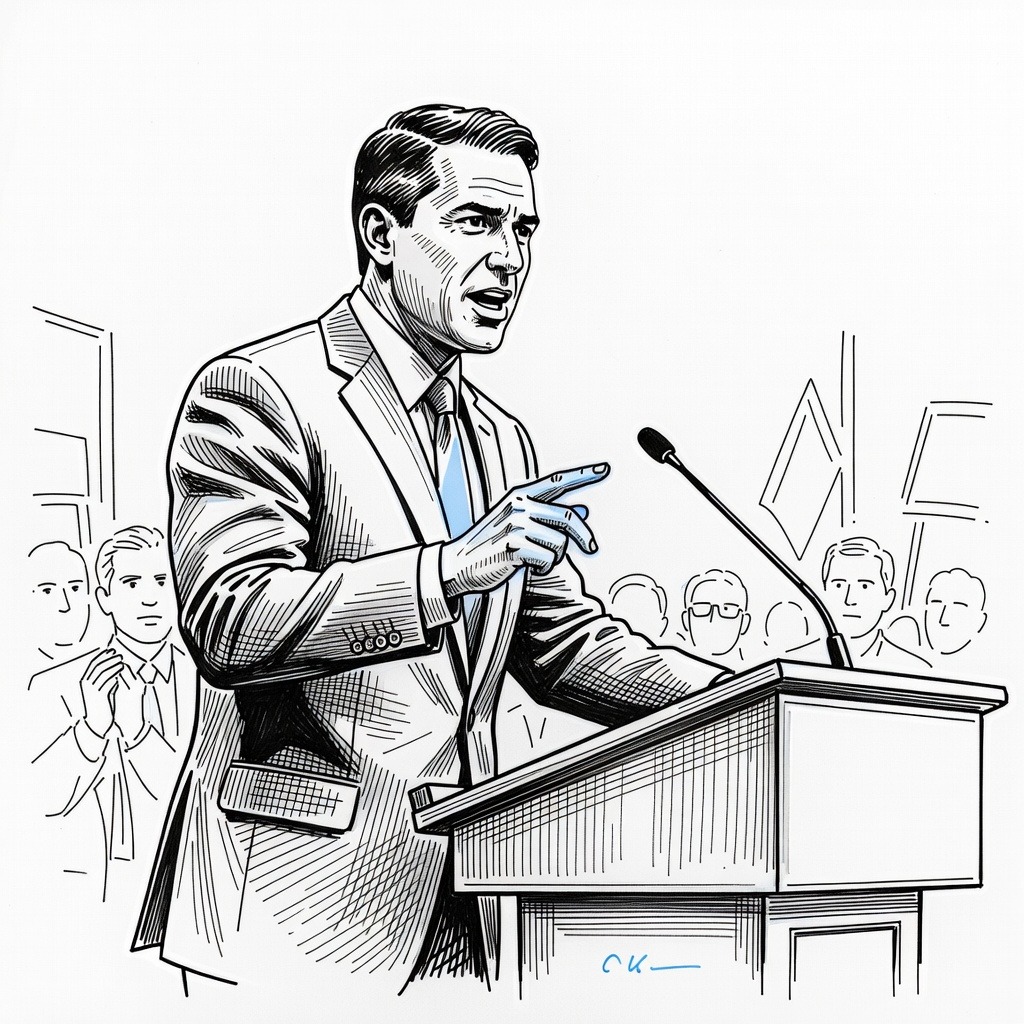
• Dismantling Corporate Influence Engines The core priority of the reformer is to shift power away from economic elites and restore institutional accountability to everyday citizens. By championing candidates like Abdul El-Sayed, who advocates for taxing billionaires and banning corporate campaign donations, this perspective seeks to purge the corrupting influence of wealth in politics. Securing grassroots endorsements from cultural figures like Rachel Accurso validates a platform centered on fundamental human needs like universal medical care.
• Challenging Entrenched Party Hegemony True social progress requires confronting a moderate political establishment that prioritizes defensive containment over systemic reform. The primary challenge mounted by Donavan McKinney against incumbent Shri Thanedar—who is backed by party leaders like Hakeem Jeffries—illustrates a necessary battle to democratize political institutions. Dismissing traditional electability anxieties, as strategist Jeff Weaver notes, is essential because relying on cautious, centrist candidates has historically failed to secure victory or inspire marginalized voters.
• Anchoring Progress in Pivotal Battlefields Establishing a lasting mandate for systemic reform requires demonstrating that progressive policies can win and govern in critical swing states. Abdul El-Sayed's lead in the public polls suggests that a platform of economic accountability resonates deeply with a broad, diverse electorate. As strategist Adrienne Elrod indicates, securing victories in these high-stakes primaries proves that bold progressive agendas are viable instruments for mobilizing swing-state coalitions.
How it may affect me
As a U.S. reader:
• In the short term, voters will decide between progressive and moderate or traditionalist candidates in key primary elections, which will directly shape the political platforms and choices available on the general election ballot in November.
• In the long term, a successful progressive movement could lead to legislative efforts to ban corporate campaign donations and increase taxes on billionaires, which would alter how national political campaigns are funded and how wealthy individuals are taxed.
• Alternatively, if progressive candidates are nominated in swing states and fail to appeal to the broader electorate, the public could see a shift in congressional control toward Republican candidates who favor free-market stability and traditional campaign finance systems.
• Members of the public may experience a greater blending of politics into non-political civic spaces, as public figures like children's educators engage in campaign endorsements and financial contributions.