
• Rebuild the Civilian Shield The ultimate metric of security is the safety of everyday citizens, which is currently compromised by domestic systemic failures rather than just a lack of foreign military hardware. With Human Rights Commissioner Dmytro Lubinets reporting that 93 percent of 1,066 inspected civilian shelters have deficiencies, the immediate priority must be domestic accountability and fixing internal protection systems. Spending billions of hryvnias—including 7 billion spent from 2022 to 2025—without ensuring basic safety highlights a governance failure that leaves the population exposed. True protection starts with functional local shelters, not just high-tech weapons that fail to address basic survival needs.
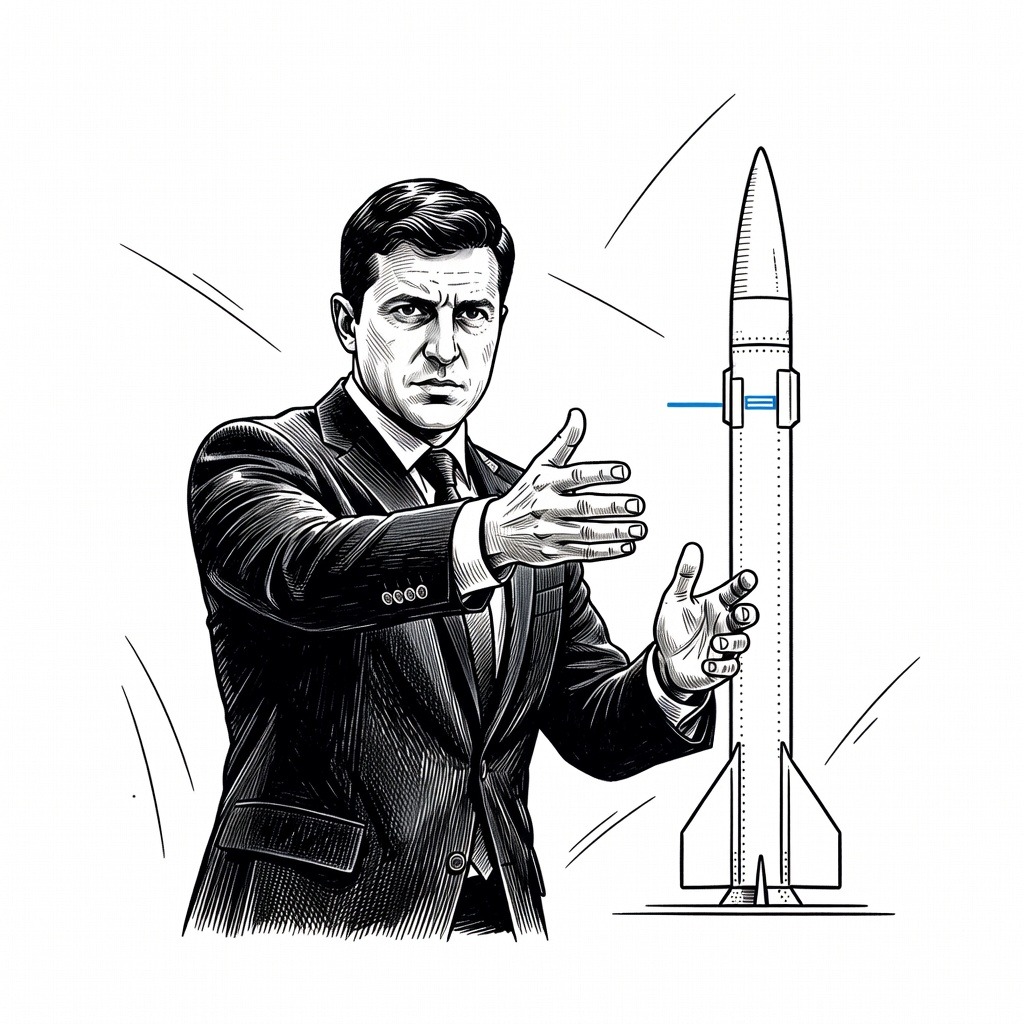
• Expose the Military Illusion Relying solely on foreign military assistance creates a false sense of security while failing to stop the actual drivers of human suffering. As former government spokesperson Luliia Mendel points out, expensive Patriot missiles cannot stop Russia's guided aerial bombs, demonstrating that military escalation is an incomplete defense against devastating attacks. The pursuit of an emergency shipment of 300 interceptors risks diverting focus and resources away from sustainable diplomatic solutions and immediate humanitarian preparedness. Without addressing the root causes of the conflict, pouring advanced weaponry into the theater only prolongs a war of attrition that continuously claims civilian lives.
• Secure Basic Human Needs Sustaining civilian life during winter requires prioritizing basic human needs like heating and electricity over purely militaristic goals. Seeking European Union funding to prepare energy infrastructure represents a necessary shift toward collective, non-military stability and survival. With warnings from experts like Iryna Terekh that air defense shortages will make the coming winter more difficult, the focus must be on mitigating the human cost of infrastructure failure. Protecting the population from freezing requires international humanitarian solidarity and defensive resilience, rather than relying on unapproved military production licenses that carry deep security risks.
How it may affect me
As a U.S. reader:
• In the short term, Ukraine's request for an emergency shipment of 300 Patriot interceptors could impact the distribution and availability of U.S. military stockpiles.
• In the long term, potential agreements to license Patriot missile production within Ukraine present security risks regarding the protection of sensitive U.S. military technology.
• Debates over providing high-tech defense systems versus prioritizing humanitarian aid will continue to shape how U.S. foreign assistance resources are allocated.