
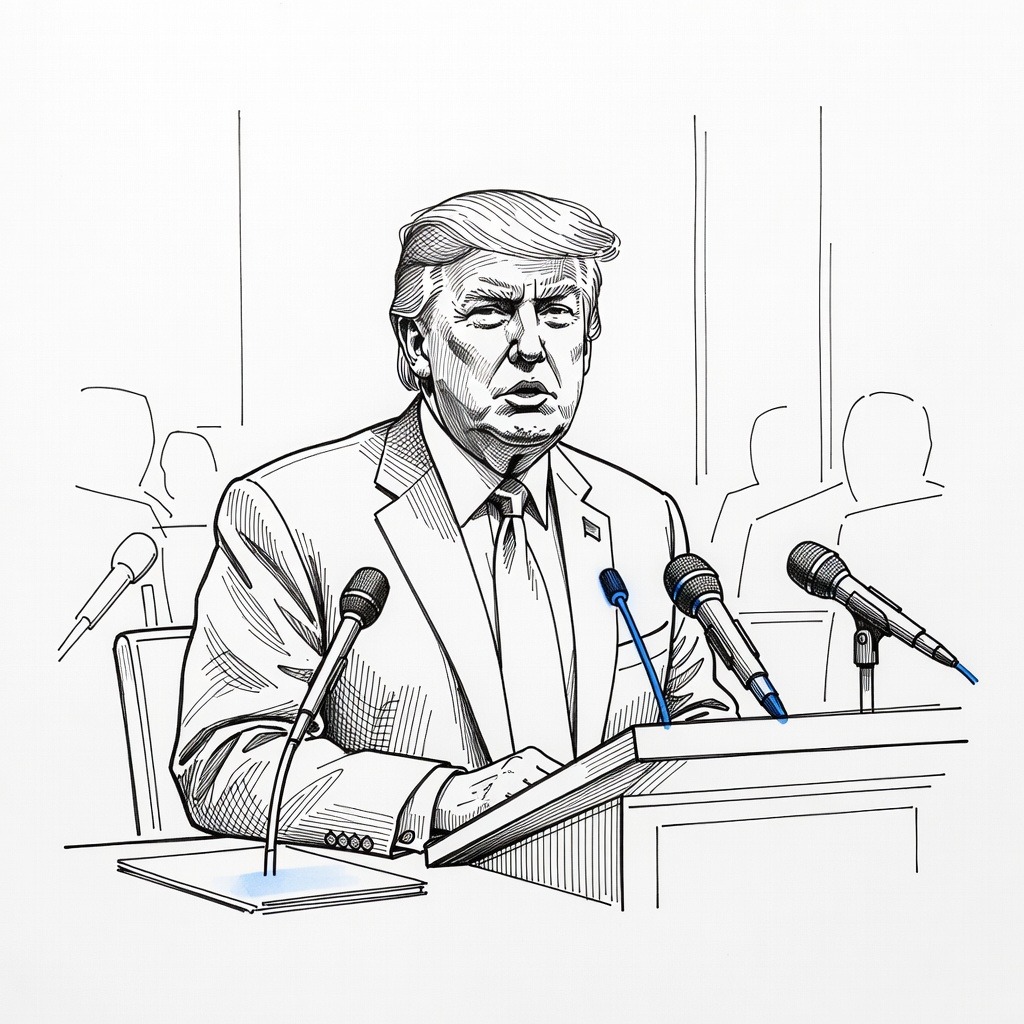
• De-Escalation Over Devastation Prioritizing the avoidance of catastrophic regional warfare justifies halting planned military strikes to protect human lives. Heeding the requests of regional neighbors like Saudi Arabia, the UAE, Qatar, and Iran to cancel strikes demonstrates the value of collective diplomacy over unilateral aggression. This shift away from military conflict validates a humanitarian model that views de-escalation as the ultimate victory, rather than displays of destructive force.
• Dismantle Punitive Economic Warfare Fostering sustainable peace requires addressing the underlying economic drivers of conflict rather than relying on endless coercion. The proposed agreement under discussion—which pairs ending the U.S. naval blockade and allowing Iranian oil exports with reopening the Strait of Hormuz—proves that mutual concessions yield stability. The immediate five percent drop in global oil prices illustrates how choosing diplomatic resolution over escalation directly benefits the global economy and protects vulnerable populations from the shock of war.
• Gamble of Blustery Diplomacy Relying on premature declarations of imminent direct deals risks undermining delicate, quiet diplomatic channels. Tehran’s denial of direct negotiations and its focus on bilateral talks with Oman highlight the danger of unilateral, high-profile posturing. True security is built on structured, multilateral frameworks that respect international sovereignty, rather than personalized deal-making that can collapse under public contradictions.
How it may affect me
As a U.S. reader:
• You may experience short-term economic relief as global oil prices fell by over five percent following the diplomatic developments.
• You or family members in the military face a reduced short-term risk of conflict following the decision to halt planned U.S. military strikes.
• In the long term, your economic stability could be supported if a proposed agreement to reopen the Strait of Hormuz succeeds in protecting global commerce.
• Your long-term national security could be enhanced if diplomatic pressure successfully leads to Iranian denuclearization and a halt to regional militia attacks.