
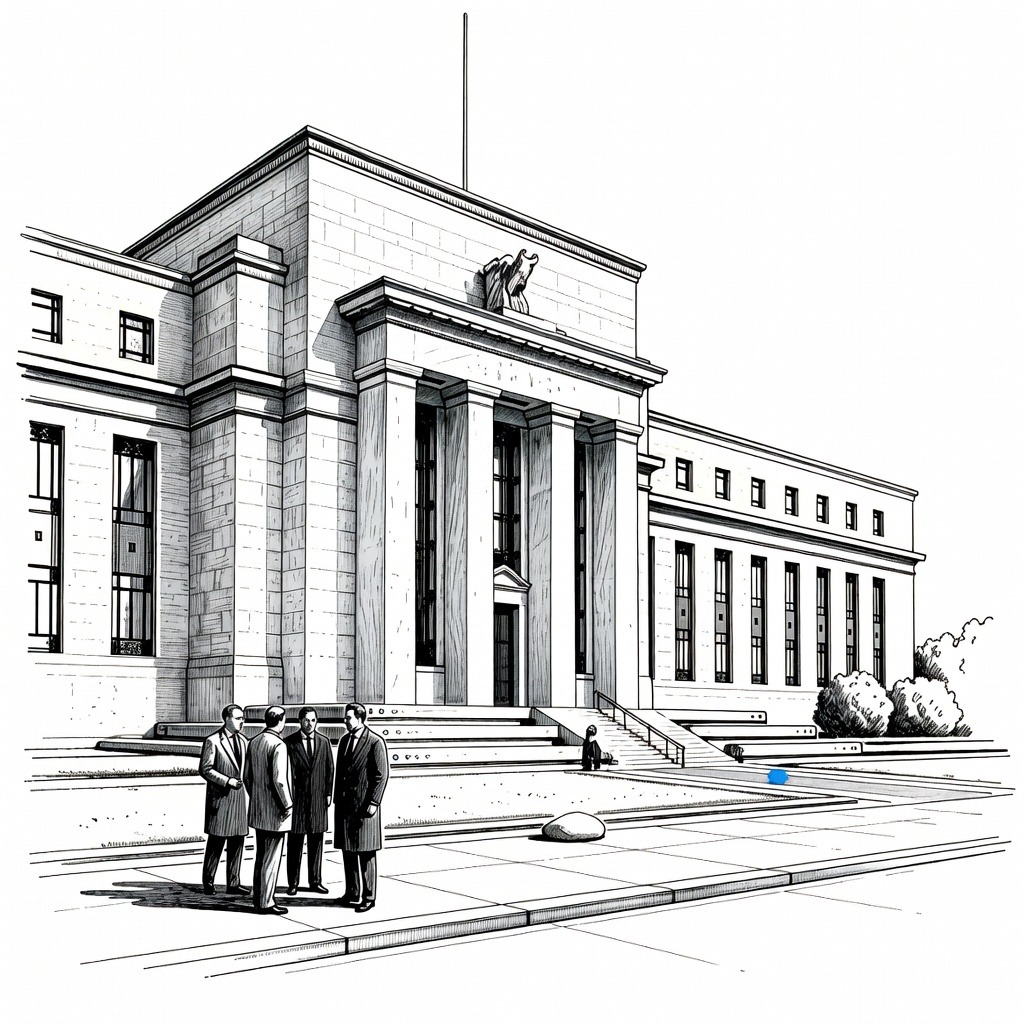
• Shielding Institutional Integrity The statutory independence of the Federal Reserve is a crucial shield protecting the public from political maneuvers that prioritize short-term electoral gains over long-term economic health. Allegations that Chairman Kevin Warsh’s dovish shift was influenced by President Donald Trump’s demands for lower interest rates signal a dangerous erosion of democratic norms and institutional credibility. When monetary policy is captured by political interests, it creates volatile market swings—such as the 1,100-point Dow drop—that disproportionately harm everyday savers and retirees while leaving elite speculators to hedge their bets.
• Exposing Corporate Excess True economic resilience depends on sustainable public investments and corporate accountability, rather than speculative market bubbles fueled by cheap credit. The stark divide in corporate earnings, where companies like Meta and Apple faced declines due to high spending and supply constraints, demonstrates that corporate excess and supply-chain vulnerabilities cannot be solved by monetary easing. High stock market heights, like the S&P 500 hovering around 7,500, mask underlying systemic instability and wealth inequality that the Fed's hesitant interest rate policy fails to address.
• Defending Household Purchasing Power Protecting vulnerable consumers from the dual squeeze of persistent inflation and high borrowing costs must be the primary focus of economic policy. While the decision to hold rates steady was contested by three committee members concerned about rising energy prices, the resulting rise in bond yields to over 4.7 percent and the surge in gold prices indicate that inflation expectations remain unanchored. Main Street suffers when the Fed sends mixed signals, as wealthy investors can easily pivot to low-risk, short-term Treasurys to secure high yields, while ordinary citizens are left to grapple with elevated costs of living.
How it may affect me
As a U.S. reader:
• You may experience immediate volatility in retirement and investment portfolios due to sharp fluctuations in the stock market, including a significant single-day drop in the Dow Jones.
• You can take advantage of rising bond yields and short-term U.S. Treasurys to secure low-risk returns of over four percent.
• You may face a continued high cost of living and elevated borrowing costs as interest rates are held steady amid persistent inflation and rising energy prices.
• You could see a decline in the international purchasing power of your money as the U.S. dollar falls while gold prices rise.