
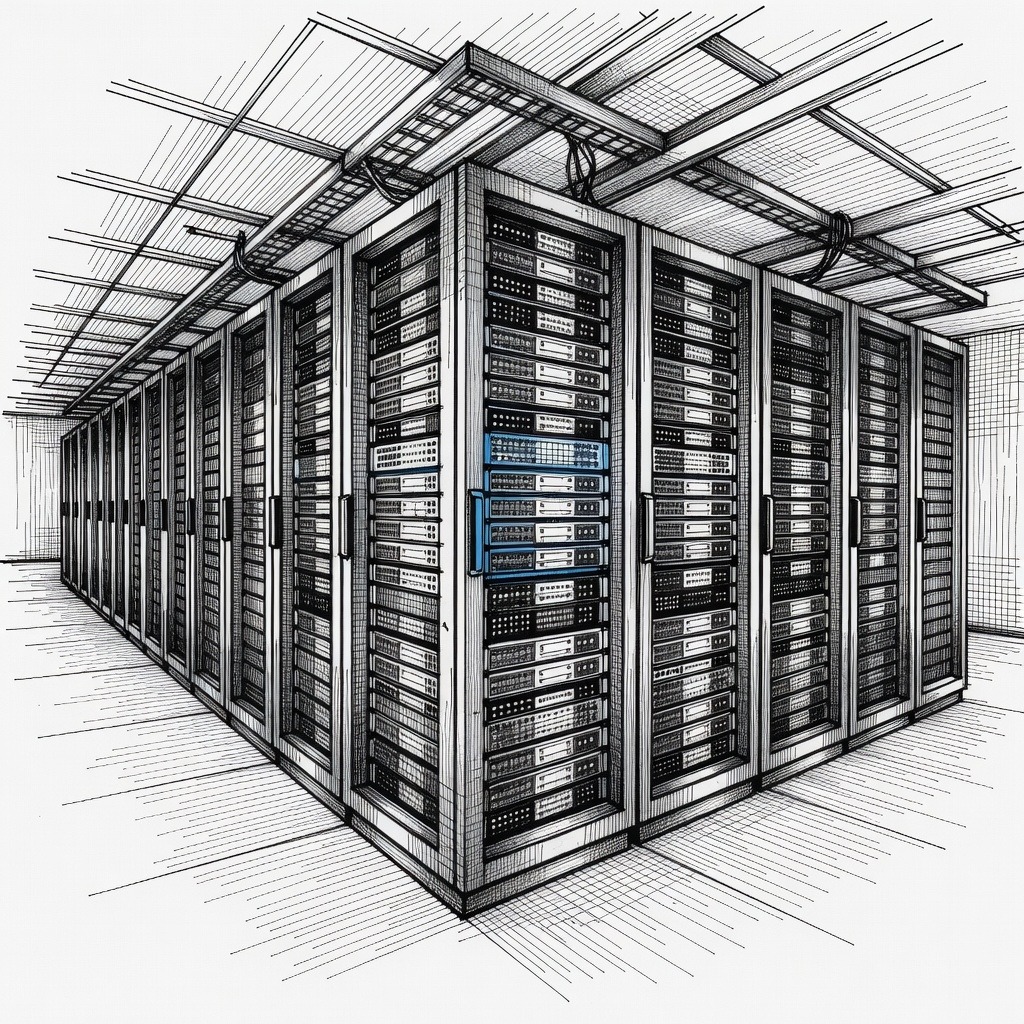
• Penalizing Consumers to Fund Hype Corporate tech giants are shifting the financial burden of their speculative artificial intelligence investments directly onto regular buyers to protect their own profit margins. Apple’s decision to increase prices on its Mac and iPad lines, driven by rising memory costs and supply constraints, demonstrates how consumers are forced to subsidize industry-wide hardware scrambles. This practice prioritizes corporate capital expansion over consumer affordability, extracting wealth from the public to fund unproven future technologies.
• Eviscerating Corporate Cash Reserves The unchecked race for artificial intelligence dominance is creating severe financial instability by depleting corporate liquidity and cash reserves. With Amazon, Alphabet, and Tesla recording negative cash flows and Meta’s cash generation plunging by 91 percent alongside $250 billion in future lease obligations, these firms are overextending their balance sheets. This pursuit of speculative future earnings at the expense of current financial health risks triggering wider corporate contractions and potential layoffs.
• Entrenching Megacap Market Monopolies The concentration of resources within a few dominant tech companies is stifling broad-based economic equity and consolidating too much power in too few hands. Goldman Sachs' projection of megacap AI spending reaching $1.2 trillion by 2027 highlights an astronomical barrier to entry that prevents smaller, more innovative firms from competing. This extreme capital centralization, as evidenced by Microsoft's single-day market cap gain of $450 billion, establishes an oligopoly over the foundational digital infrastructure of the future.
How it may affect me
As a U.S. reader:
• You may experience higher immediate costs for personal technology, as companies like Apple have increased prices on Mac and iPad lines to offset rising memory costs and supply constraints.
• Your investment portfolios or retirement accounts could experience volatility due to fluctuating tech stock prices and broader market reactions to Federal Reserve interest rate decisions.
• You may face a higher risk of tech-sector job instability or layoffs in the long term as major corporations deplete their cash reserves and experience negative cash flows to fund artificial intelligence infrastructure.
• You might see a reduction in market choices and competition over time as massive capital spending by a few dominant companies creates high barriers to entry for smaller, innovative firms.