
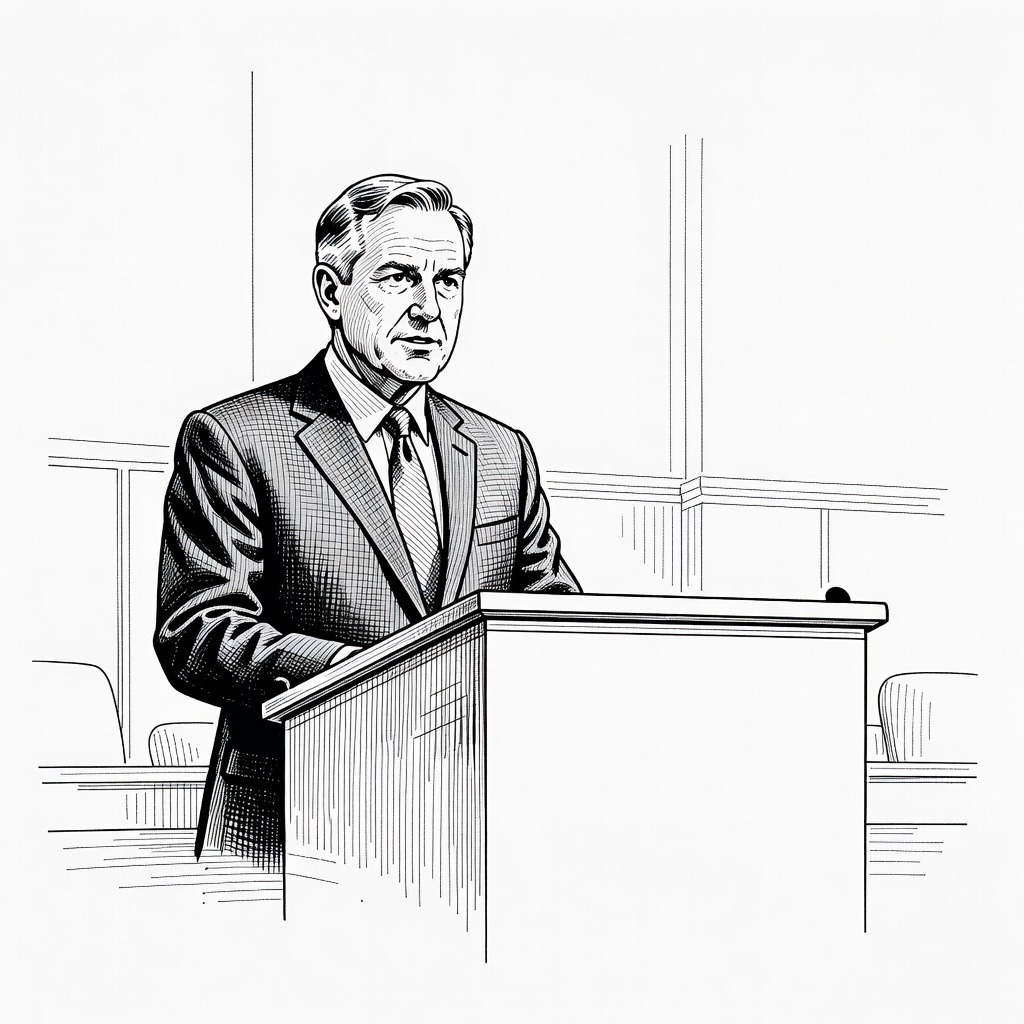
• Shield the Consumer Base Prioritizing household financial resilience requires resisting unnecessary borrowing costs that squeeze everyday consumers. Maintaining the benchmark rate at 3.5% to 3.75% prevents the compounding of debt burdens on families when inflation pressures are already showing structural decline. With the personal consumption expenditures price index dropping by 0.1% in June, further tightening would extract wealth from the public rather than correct structural anomalies.
• Pivot to Trimmed Realities Using a nuanced, data-driven approach protects the economy from blunt policy shocks. The Dallas Fed's trimmed mean rate of 2.2% and the Cleveland Fed's trimmed CPI of 2.63% represent the truest measure of systemic inflation because they strip out volatile market noise. Treating these multi-year lows as the primary signal justifies Chairman Warsh's steady stance, proving that aggressive rate hikes are no longer necessary to achieve price stability.
• Gamble of Policy Overreach Over-tightening based on pessimistic projections threatens to needlessly derail labor markets and economic growth. The demands of regional presidents Hammack, Kashkari, and Logan to immediately raise rates by 0.25 percentage points represent a dangerous risk to the real economy. Forcing restrictive policies on a stabilizing market based on fears of "underestimated" inflation ignores five years of painful adjustments and risks triggering an avoidable contraction.
How it may affect me
As a U.S. reader:
• In the short term, the decision to maintain the current interest rate prevents an immediate policy-driven increase in debt burdens and borrowing costs for households.
• In the long term, with annual inflation rates still above the target, consumers may continue to experience an erosion of their purchasing power if the current rates fail to adequately lower prices.
• Despite the steady benchmark rate, the public could still experience higher borrowing costs through market forces due to rising bond yields.
• The decision to keep rates steady helps protect the public from potential job market instability and economic contraction that critics of rate hikes warn could occur from over-tightening.