
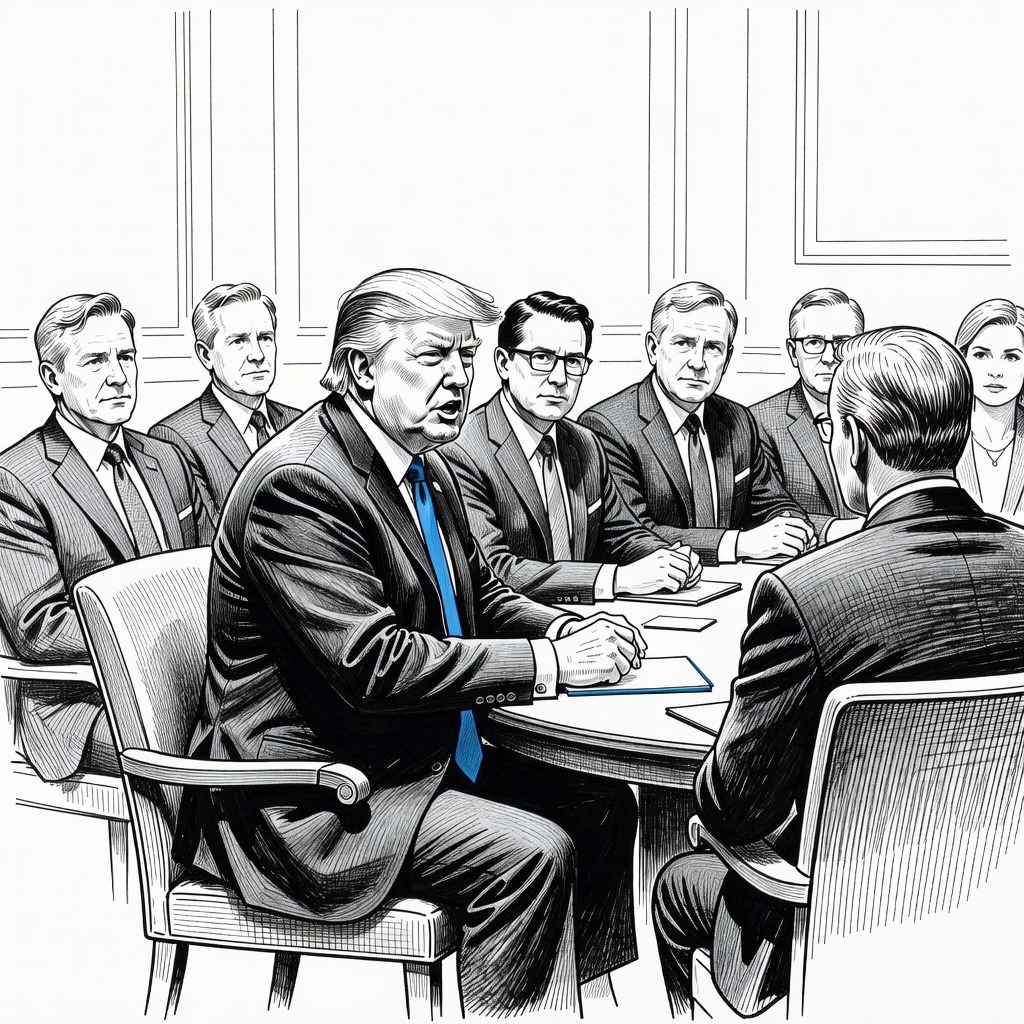
• Shielding Vulnerable Civilian Populations Sovereign defense and human rights require empowering democratic nations to protect their populations from devastating aerial bombardments. Because Zelenskyy emphasized that domestic production of Patriot missile systems is a vital requirement to intercept incoming Russian ballistic missiles, denying these licenses directly exposes civilian infrastructure to humanitarian catastrophe. Ensuring long-term self-defense capabilities is the most ethical path to stabilizing a nation under siege.
• Erosion of Alliance Trust Predictability and institutional reliability are the bedrock of effective international security alliances. Trump's abrupt reversal from his earlier endorsement of the licensing agreement creates strategic confusion and undermines the credibility of American commitments. When key security partners cannot rely on steady diplomatic and military cooperation, global coalition-building becomes deeply fractured.
• Peril of Defensive Deficits Denying a state the ability to manufacture its own defensive shield does not de-escalate conflict; it invites further aggressive expansionism by signaling vulnerability. Zelenskyy's ongoing efforts to engage Vice President JD Vance and Lockheed Martin reflect an urgent need to build a self-sustaining defense posture. Restricting these capabilities leaves partners structurally weak, prolonging the humanitarian crisis and regional instability.
How it may affect me
As a U.S. reader:
• In the short term, domestic defense contractors such as Lockheed Martin will see restricted international business opportunities as the government maintains strict oversight and blocks foreign licensing arrangements.
• In the long term, keeping advanced military technology under domestic control aims to protect the public from national security threats that could arise if partner nations later shift alliances and turn American weaponry against the United States.
• U.S. citizens may see the country's international alliances become more fractured and less predictable, potentially leading to prolonged regional instability and humanitarian crises abroad.
• The public may witness the U.S. government exercising greater strategic leverage and flexibility during global peace negotiations by withholding permanent military technology transfers.