
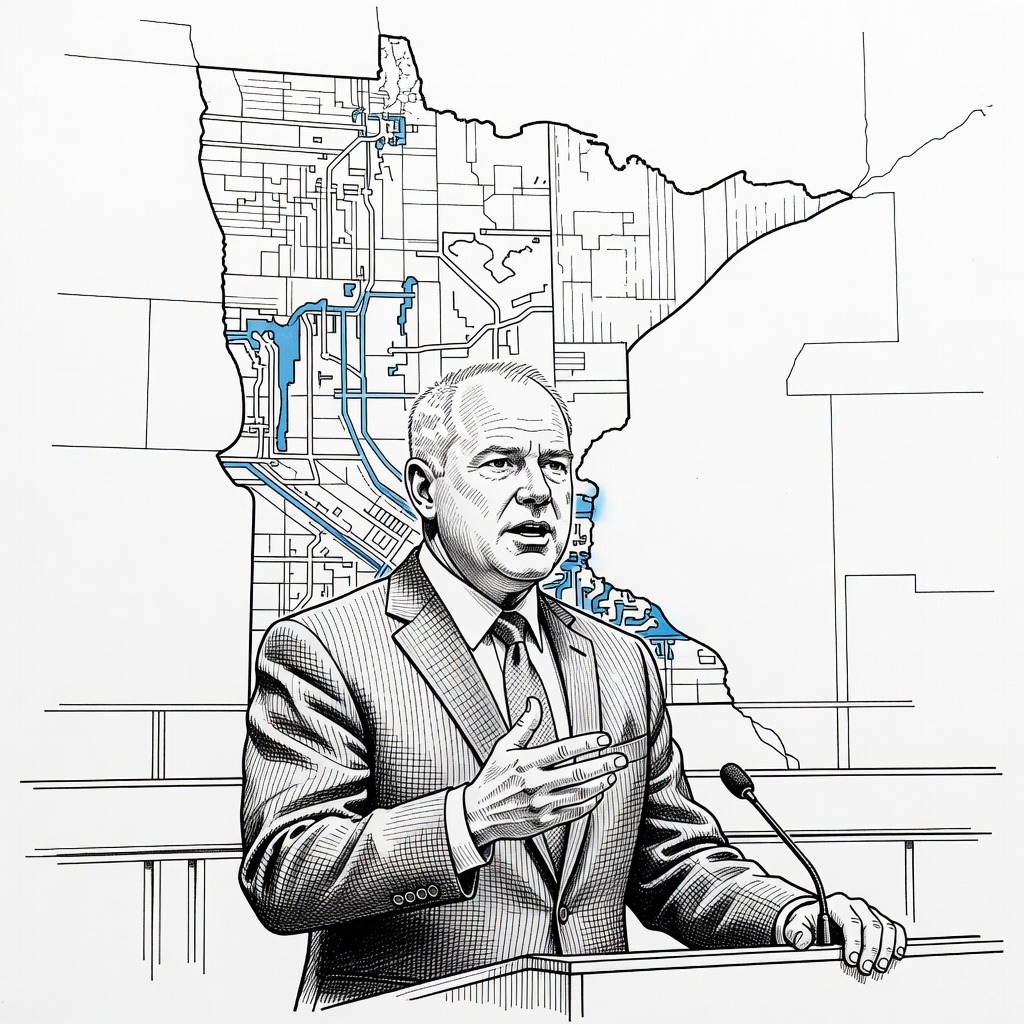
• Defending the Federal Shield A collective, robust federal defense is essential to protect critical public resources from sophisticated hostile actors. The targeting of over 30 Minnesota water systems demonstrates that local municipalities lack the resources to combat coordinated, state-sponsored cyber threats on their own. Gutting the budget of the Cybersecurity and Infrastructure Security Agency (CISA) through federal cost-cutting directly undermines the national security net needed to protect vulnerable utility networks.
• Rejecting Partisan Scapegoating Addressing complex, systemic national security vulnerabilities requires structural support rather than localized political blame. Governor Walz’s point that multiple states were targeted in the cyberattack highlights that this is a widespread, coordinated campaign exploiting internet-exposed industrial controllers, not a localized failure. Labeling the breach as state-level incompetence ignores the reality of modern cyber warfare and distracts from the need for unified federal defense strategies.
• The Austerity Vulnerability Cycle Prioritizing fiscal austerity over critical public infrastructure protection creates severe, long-term national security risks. Weakening federal cybersecurity agencies like CISA in the name of government efficiency leaves vital municipal systems exposed to sophisticated foreign adversaries like Iran. Without sustained public investment, critical infrastructure will remain highly vulnerable, compromising basic public necessities such as safe drinking water.
How it may affect me
As a U.S. reader:
• In the short term, your local water utilities may need to temporarily switch to manual operations during a cyber incident, though officials state that current drinking water safety and usage remain unaffected.
• Over the long term, you may face increased vulnerability to essential utilities like drinking water if federal budget cuts to cybersecurity agencies reduce the defense support available to local municipalities.
• You may experience heightened security risks to public infrastructure as foreign adversaries target internet-exposed industrial controllers that manage critical utilities across multiple states.
• You could see changes in how your state government manages and funds local IT infrastructure as debates persist over whether state-level administration or federal agencies are responsible for securing utility networks.