
Seattle Police Chief Steps Down Following Deadly Festival Shooting

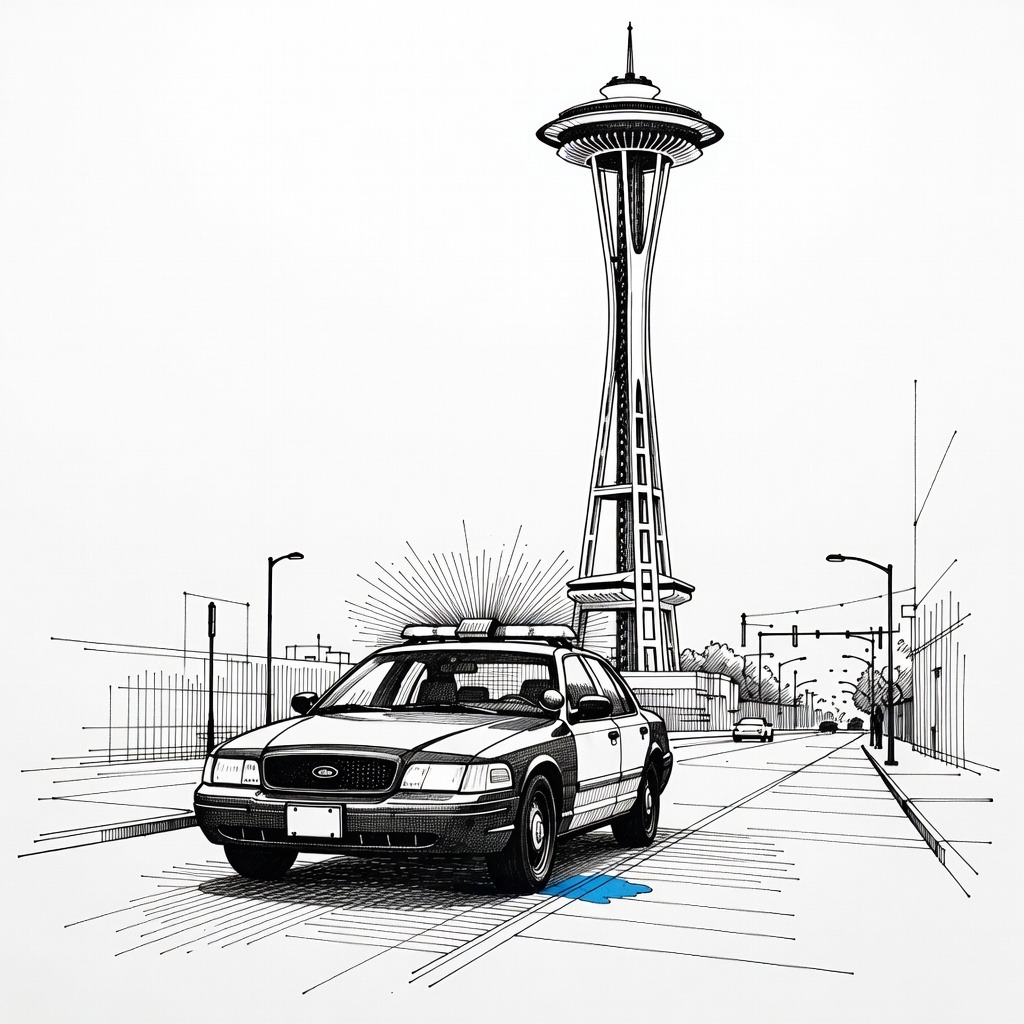
Illustration for: Seattle Police Chief Steps Down Following Deadly Festival Shooting
AI-generated illustration. Visual interpretation does not represent real individuals or scenes.

THE BARE STORY

Seattle Police Chief Shon Barnes has stepped down following a shooting at a food festival that left two people dead and four others injured. Seattle Mayor Katie Wilson announced on Thursday that she accepted Barnes' resignation and will appoint Deputy Chief Andre Sayles as interim chief. While the mayor framed the departure as a resignation, a separate report indicated she relieved Barnes of his duties, sparking plans for a protest.

According to a statement from Barnes’ attorney, Mayor Wilson requested the resignation during a Wednesday meeting. The attorney stated that although Barnes was surprised, he agreed to step down voluntarily to help the city focus on healing and the investigation. Before his departure, Barnes faced scrutiny over his travel to visit family and the department's release of information after the shooting, which he acknowledged contained early errors that prompted internal reviews.

The shooting occurred on July 26 near the Space Needle during the Bite of Seattle festival. Authorities have arrested a 15-year-old suspect, and a 19-year-old believed to be involved has died. Investigators continue to search for additional suspects. Barnes described the confrontation as a targeted, gang-related shootout into a crowd, noting that none of the victims were connected to the suspects.

The leadership change has drawn criticism from local officials. In a joint statement, Seattle Council President Joy Hollingsworth and council members Dan Strauss, Debora Juarez, and Bob Kettle expressed disappointment over the departure. They warned that replacing the chief during an active crisis places the city in a difficult position, pointing out that Seattle has cycled through four police chiefs in two and a half years.

Same Facts. Different Perspectives.

Two AI models. Two viewpoints. One factual foundation.

• Enforce Leadership Accountability Now Prioritizing administrative integrity and public trust demands swift action when leadership fails. Chief Barnes' admission of early errors in releasing information about the deadly Bite of Seattle festival shooting undermined transparency during a critical civic crisis. By accepting his resignation, Mayor Wilson correctly asserts that leaders must face immediate consequences for communication failures and personal absences during times of public vulnerability.

• Dismantle Defective Security Frameworks Protecting vulnerable communities requires challenging existing institutional structures rather than blindly preserving them. The targeted gang shootout, which killed two innocent bystanders and injured four near the iconic Space Needle, exposes systemic gaps in current municipal safety strategies. Replacing Barnes with interim Chief Andre Sayles offers a necessary opportunity to pivot away from failed policies and implement more progressive, community-oriented policing.

• Shield Reform from Backlash The primary threat to social progress is the resistance of established political figures who favor stability over systemic improvement. Criticisms from local council members who oppose the transition risk locking the city into a cycle of ineffective policing and stagnant leadership. Genuine reform cannot be sacrificed to avoid political discomfort or to appease those who prioritize institutional continuity over genuine accountability.

How it may affect me

As a U.S. reader:

• In the short term, the transition to an interim police chief during an active investigation could affect the department's ability to coordinate and execute the ongoing search for outstanding suspects.

• The leadership change may lead to immediate reforms in how the police department communicates with the public during crises, addressing prior errors in transparency.

• Over the longer term, the rapid turnover of four police chiefs in two and a half years may destabilize the police force, decrease officer morale, and weaken overall operational effectiveness.

• Members of the public may see shifts in local security protocols and safety frameworks as the interim leadership attempts to implement new strategies to combat gang violence.

Read the story at

Note: All TheBareNews content is AI-generated. For additional context, reporting, and updates, you are invited to explore the news outlets linked above.