
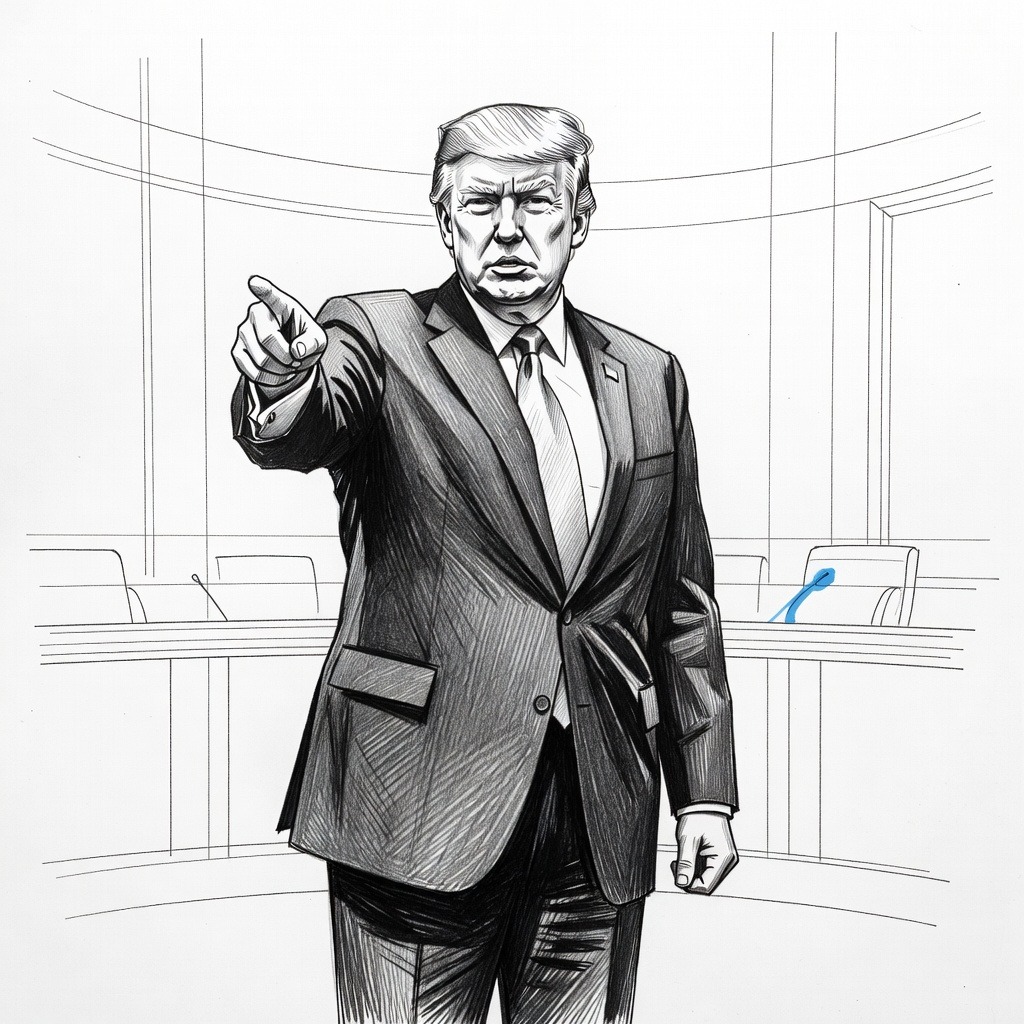
• Circumventing Constitutional Accountability Channels Prioritizing robust public oversight requires that executive nominees face rigorous, immediate Senate confirmation rather than bypassing scrutiny via temporary appointments. The decision to keep Todd Blanche as acting attorney general to wait out dissenting senators exploits procedural loopholes to avoid mandatory democratic vetting. This strategic delay dilutes the legislature's role as a co-equal branch of government and sets a precedent where the executive can simply bypass opposition rather than negotiate. Ultimately, this evasion weakens the system of checks and balances designed to hold the nation's top law enforcement official accountable.
• Shielding Private Financial Interests Protecting public institutions from personal enrichment demands absolute transparency and strict limits on executive legal privileges. The dispute over the IRS settlement highlights how a proposed $1.8 billion anti-weaponization fund and broad tax audit immunities can be used to shield private corporate entities from standard legal scrutiny. Demanding written, permanent restrictions on these provisions is necessary to prevent the Department of Justice from being used as a personal shield. Allowing any administration to carve out unchecked tax immunity undermines the foundational principle that no citizen is above the law.
• Eviscerating Legislative Independence Challenging institutional corruption requires protecting lawmakers from political retaliation when they attempt to enforce ethical boundaries. Framing policy concerns raised by Senators John Cornyn and Thom Tillis as personal vendettas over refused endorsements threatens the structural independence of the legislature. This coercive use of political influence aims to replace independent systemic oversight with absolute executive loyalty. If lawmakers are penalized for demanding accountability, the legislature’s capacity to protect the public from executive overreach is severely compromised.
How it may affect me
As a U.S. reader:
• In the short term, the Department of Justice will be led by an acting attorney general rather than a fully Senate-confirmed official, which maintains operational continuity but delays formal legislative vetting.
• The resolution of this dispute will determine whether a proposed 1.8 billion dollar anti-weaponization fund is permanently shut down and if the scope of tax audit immunity for Trump and his businesses is legally restricted.
• In the long term, using interim appointments to bypass dissenting lawmakers may alter the balance of power between the executive and legislative branches, potentially weakening the Senate's ability to enforce oversight on executive nominees.