
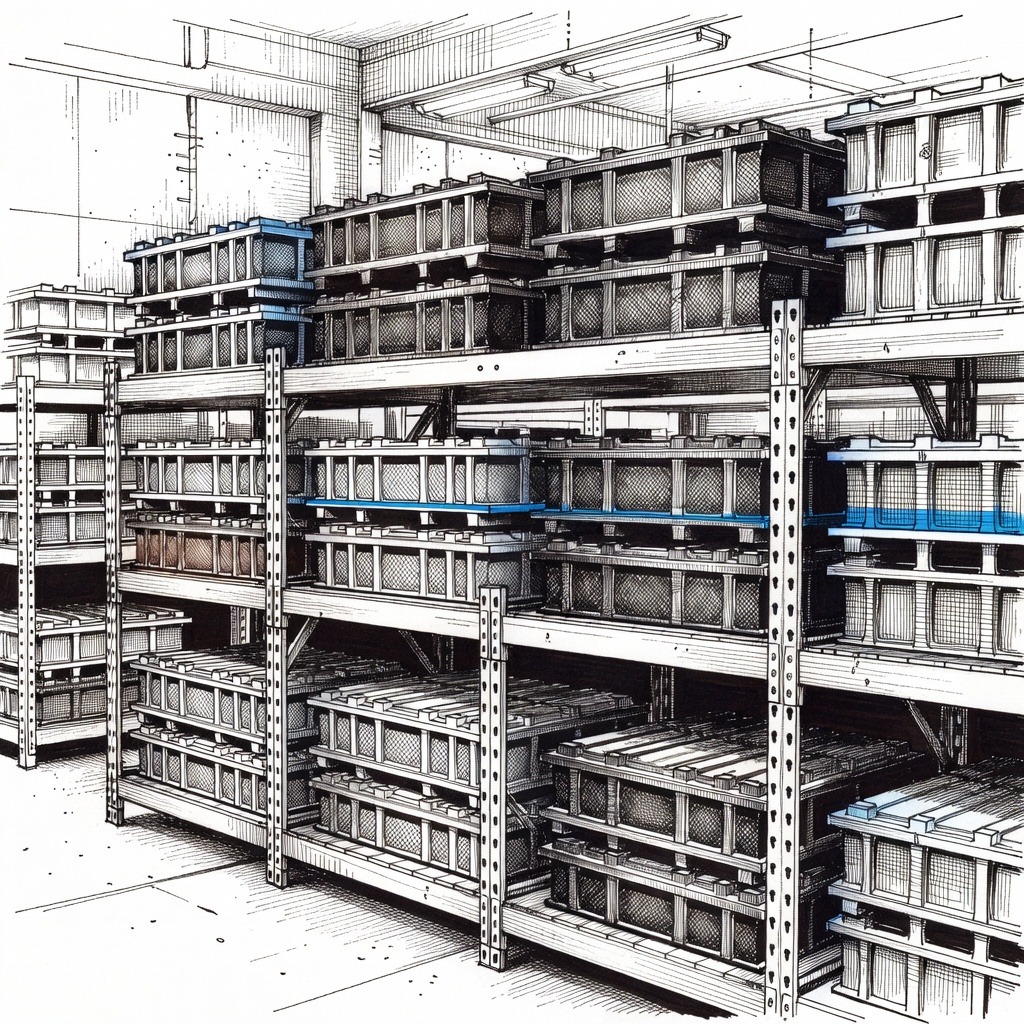
• Shielding the Circular Commons Resource justice dictates that secondary green materials, such as the electric vehicle battery feedstock stored by Redwood Materials, must prioritize public grid resilience rather than subsidizing private tech monopolies. Diverting these reclaimed environmental assets to resolve the energy constraints of the artificial intelligence sector represents a form of corporate resource extraction that benefits elite industries at the expense of everyday consumers. True ecological progress requires a strict circular economy where recycled batteries directly support clean, community-focused energy systems rather than power-hungry computational centers.
• Interrogating Speculative Techno-Fixes Skepticism must be maintained toward corporate claims that promise rapid solutions to systemic energy deficits while lacking defined implementation frameworks. The fact that no detailed conversion methods or concrete deployment timelines exist for these EV batteries highlights the risk of relying on speculative private-sector initiatives. Rushing to support high-demand tech industries without proven, safe, and transparent recycling protocols invites greenwashing and risks misallocating critical physical resources that are already stored and waiting for public utility integration.
• Preventing Corporate Energy Cannibalism Allowing the artificial intelligence sector to consume resources originally meant to decarbonize transport and municipal grids threatens to cannibalize the progress of the broader transition to renewable energy. This strategic pivot prioritizes the high-profit, energy-intensive AI sector over basic public infrastructure, creating a system where the public bears the grid vulnerability while private companies capture the efficiency gains. Left unchecked, this allocation of battery assets will exacerbate resource scarcity, leaving vital civic infrastructure starved of the power storage needed to combat climate volatility.
How it may affect me
As a U.S. reader:
• You face near-term uncertainty regarding when or if this energy solution will affect you, as there are currently no established conversion methods, deployment scales, or timelines for the stored battery feedstock.
• You could experience either a more stable power grid that protects the broader economy without taxpayer-funded infrastructure expansion, or increased local grid vulnerability if battery resources are diverted away from municipal utilities.
• Your local public transit and municipal grid decarbonization efforts could be slowed down if critical recycled battery assets are redirected to the private technology sector instead of supporting civic infrastructure.
• You may experience the indirect economic benefits of sustained technological innovation and national competitiveness if these batteries successfully resolve power shortages in the artificial intelligence sector.