
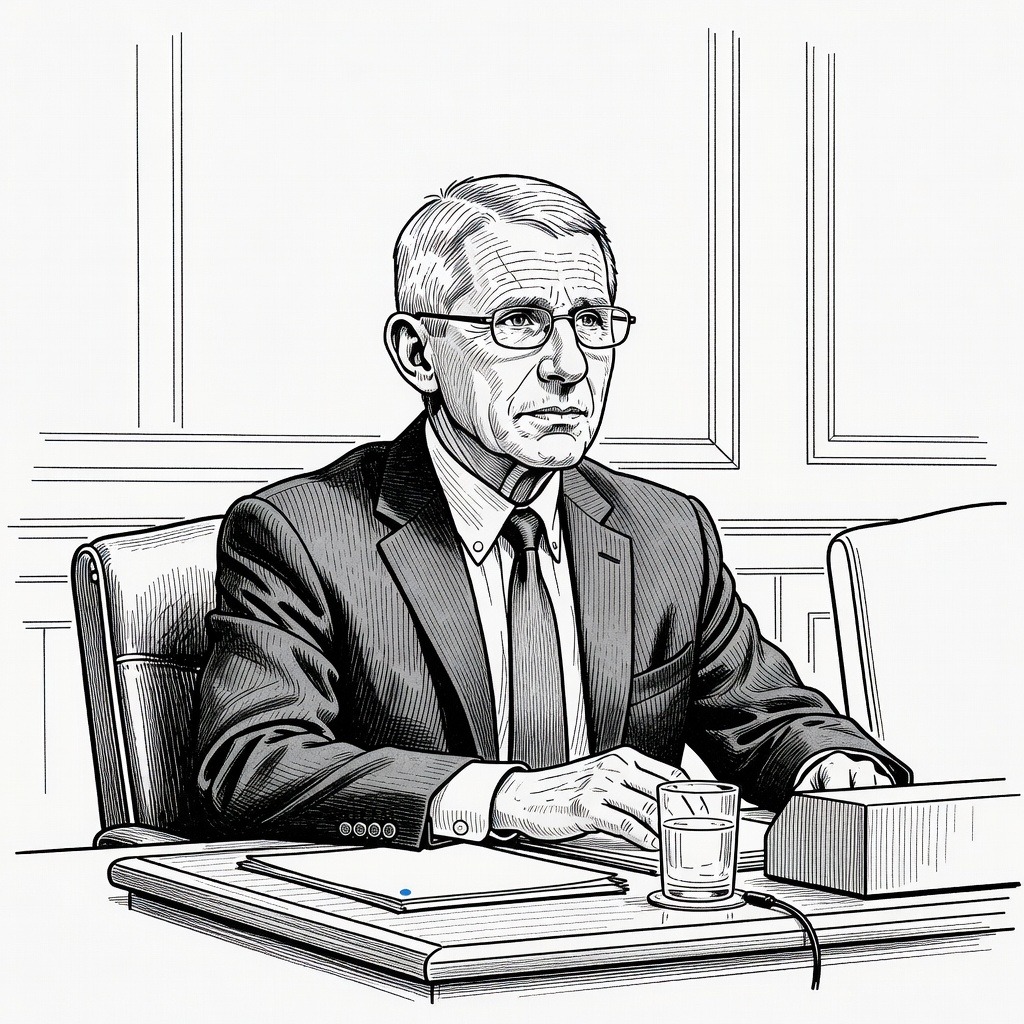
• Shielding Essential Constitutional Protections This perspective prioritizes civil liberties and constitutional safeguards, viewing the decision to invoke the Fifth Amendment more than 100 times as a legitimate defense against a highly politicized tribunal. In a climate of intense polarization, utilizing these established legal rights protects individuals from being coerced into self-incrimination or falling into perjury traps over complex, years-old events. Safeguarding this right is a necessary barrier against the weaponization of congressional hearings, ensuring that public servants are not stripped of their basic legal protections for political theater.
• Resisting Partisan Legislative Overreach This camp prioritizes the preservation of independent scientific inquiry and defends public administrators from legislative intimidation. Legislative actions, such as Senator Hawley’s introduction of the "No Cash Prizes for Bureaucrats Act" and Senator Paul’s threats of contempt of Congress, are interpreted as targeted campaigns to punish a high-profile official rather than constructive regulatory reform. By threatening fines or imprisonment despite existing presidential pardons, lawmakers risk chilling future public service, making it difficult for the government to attract elite scientific talent willing to lead during national crises.
• Defending Independent Historical Narratives This viewpoint champions the autonomy of cultural and educational institutions against direct state censorship and political interference. Executive interventions, such as ordering the National Park Service to place signs redirecting visitors outside the Smithsonian exhibit, represent a dangerous precedent of state-mandated historical revisionism. Allowing the executive branch to bypass established museum curations to promote its own version of history undermines the integrity of national cultural institutions and threatens intellectual freedom.
How it may affect me
As a U.S. reader:
• Visitors to the Smithsonian National Museum of American History will encounter physical signs directing them to alternative online resources presenting a different version of pandemic history.
• If the No Cash Prizes for Bureaucrats Act is passed, federal employees will be legally barred from obtaining financial awards for medical research, which could alter the financial incentives for federal scientific positions.
• The ongoing congressional scrutiny of public health officials may either make it more difficult for the government to recruit top scientific talent during future crises or lead to stricter accountability and transparency regarding how taxpayer money is spent on medical research.