
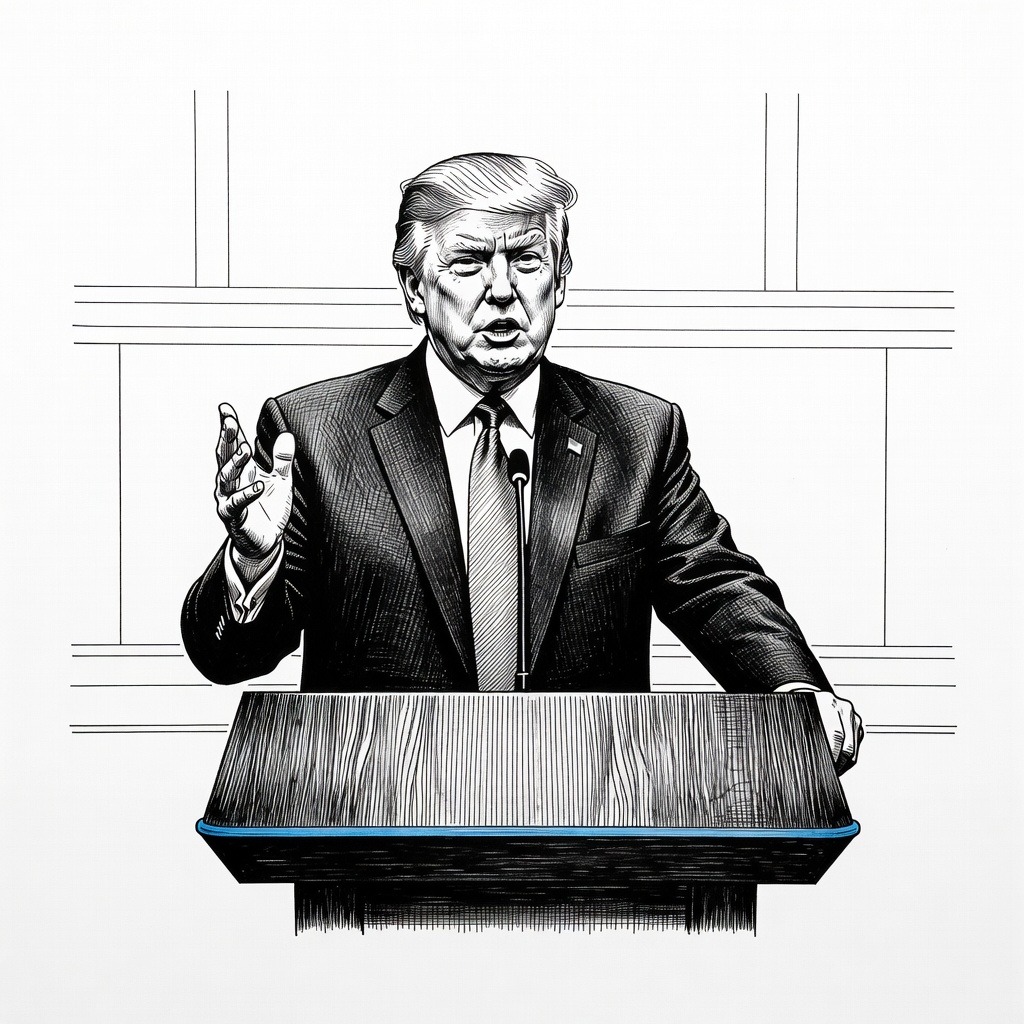
• De-escalate Rhetoric Through Context Prioritizing empirical reality over political alarmism is essential to preventing unnecessary international panic and diplomatic friction. The fact that security experts and national security analysts confirmed these voter registration files are largely public records demonstrates that no actual voting systems were penetrated and no ballots were altered. Elevating the possession of non-strategic, publicly accessible data to a major security compromise needlessly inflames bilateral tensions without any evidence of systemic harm.
• Preserve Diplomatic Pathways First Maintaining functional international relations is vital for global stability, especially when core domestic infrastructure remains uncompromised. The decision to keep diplomatic and trade relations steady—exemplified by the upcoming September meeting with Xi Jinping and the recent meeting between Secretary of State Rubio and Foreign Minister Wang Yi—reflects a pragmatic understanding that global cooperation must override partisan rhetoric. Overreacting to routine international intelligence gathering risks disrupting crucial bilateral channels that manage the global economy.
• Defuse Threat Inflation Risks Inflating standard cyber espionage into existential national threats creates dangerous diplomatic volatility and erodes state credibility. When leadership fluctuates between calling the data collection a major compromise and later downplaying it as old, mutual intelligence operations, it signals inconsistency and confusion. This erratic posturing risks backing both nations into defensive corners, making peaceful conflict resolution and mutual de-escalation far more difficult to achieve in the long run.
How it may affect me
As a U.S. reader:
• You are unlikely to experience immediate disruptions to trade or international relations, as bilateral cooperation and high-level diplomatic meetings remain steady.
• You can be assured that your voting systems and ballots remain secure in the short term, as intelligence records show no systems were breached or ballots altered.
• You may face a long-term risk of being targeted by sophisticated foreign influence campaigns due to the bulk compilation of voter registration and commercial data.
• You may find it difficult to gauge the true severity of the threat due to inconsistent messaging from political leadership who alternate between sounding alarms and downplaying the issue.