
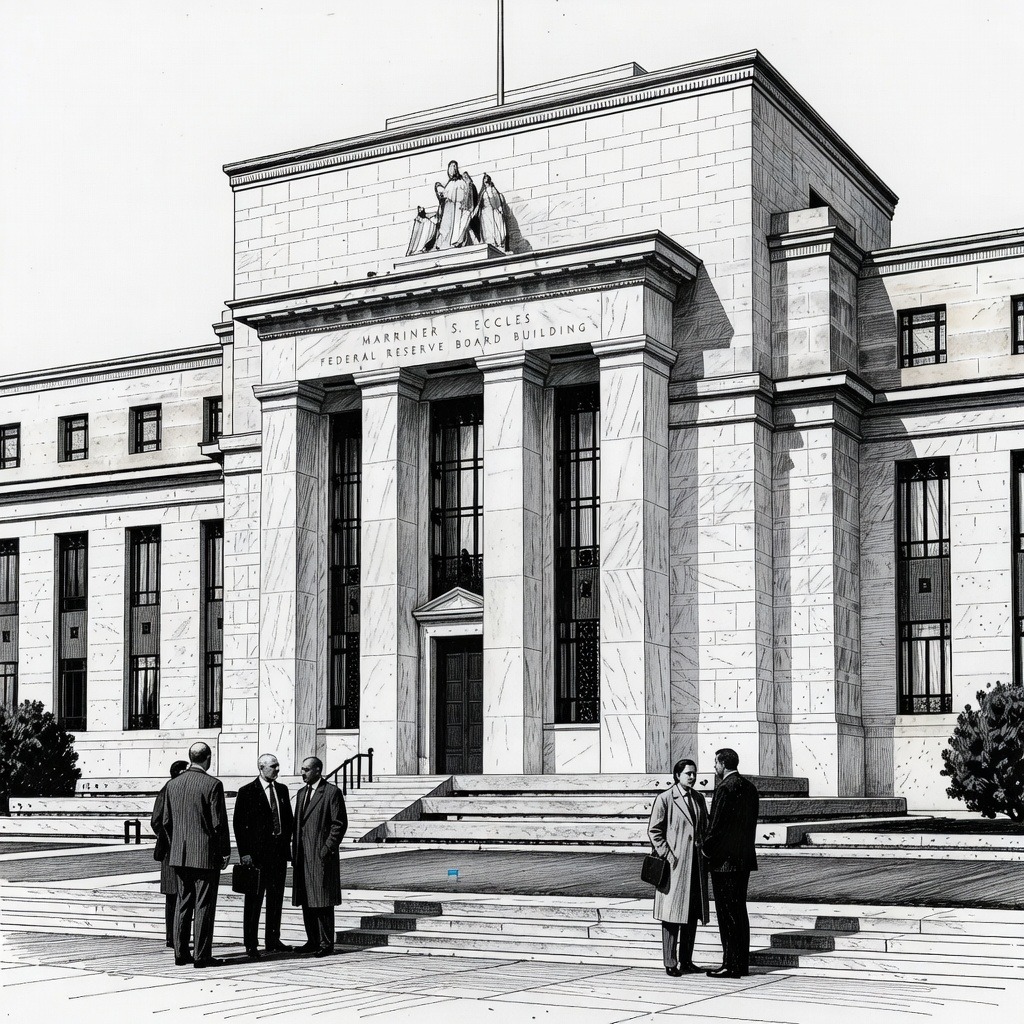
• Shielding Vulnerable Households Maintaining the benchmark interest rate at 3.5% to 3.75% is a necessary defense against compounding financial pressure on ordinary citizens. Forcing another rate hike would disproportionately punish working-class families by driving up credit card debt and borrowing costs, while doing nothing to resolve supply-side drivers of inflation like geopolitical oil shocks. By holding rates steady, the policy majority protects domestic employment opportunities and keeps consumer borrowing from reaching prohibitive levels.
• Resisting Financial Sector Pressure The sharp market correction, including the Dow's 1,000-point plunge, represents a self-interested panic by Wall Street speculative capital rather than a threat to the real economy. Monetary policy must prioritize the material well-being of workers over the demands of institutional investors who react negatively to anything less than total policy compliance. Chairman Warsh's refusal to capitulate to the hawkish demands of the three dissenting regional presidents prevents the extraction of wealth from working-class borrowers to satisfy financial markets.
• Avoiding Policy-Induced Recession Plunging the economy into an artificial slowdown through aggressive interest rate hikes is a dangerous overreaction to global factors outside domestic control. Because elevated inflation is currently exacerbated by Middle East conflicts driving up crude oil and fuel costs, domestic tightening would fail to lower prices while actively risking widespread job losses. The path to a 2% inflation target must be gradual to prevent a catastrophic contraction that would harm vulnerable consumers far more than persistent price levels.
How it may affect me
As a U.S. reader:
• You will experience steady short-term borrowing costs and credit card interest rates rather than immediate increases, helping to protect your household budget from further immediate pressure.
• Your employment opportunities may be more secure in the short term, as the decision avoids triggering an economic slowdown and potential job losses.
• You will continue to deal with persistent inflation and elevated fuel costs, as the benchmark interest rate was not raised to actively combat rising prices.
• You may see a drop in your personal investment portfolios due to a sharp decline in the stock market following the announcement.
• You could face more aggressive interest rate hikes or prolonged economic stagflation in the long term if the current policy fails to successfully lower inflation.