
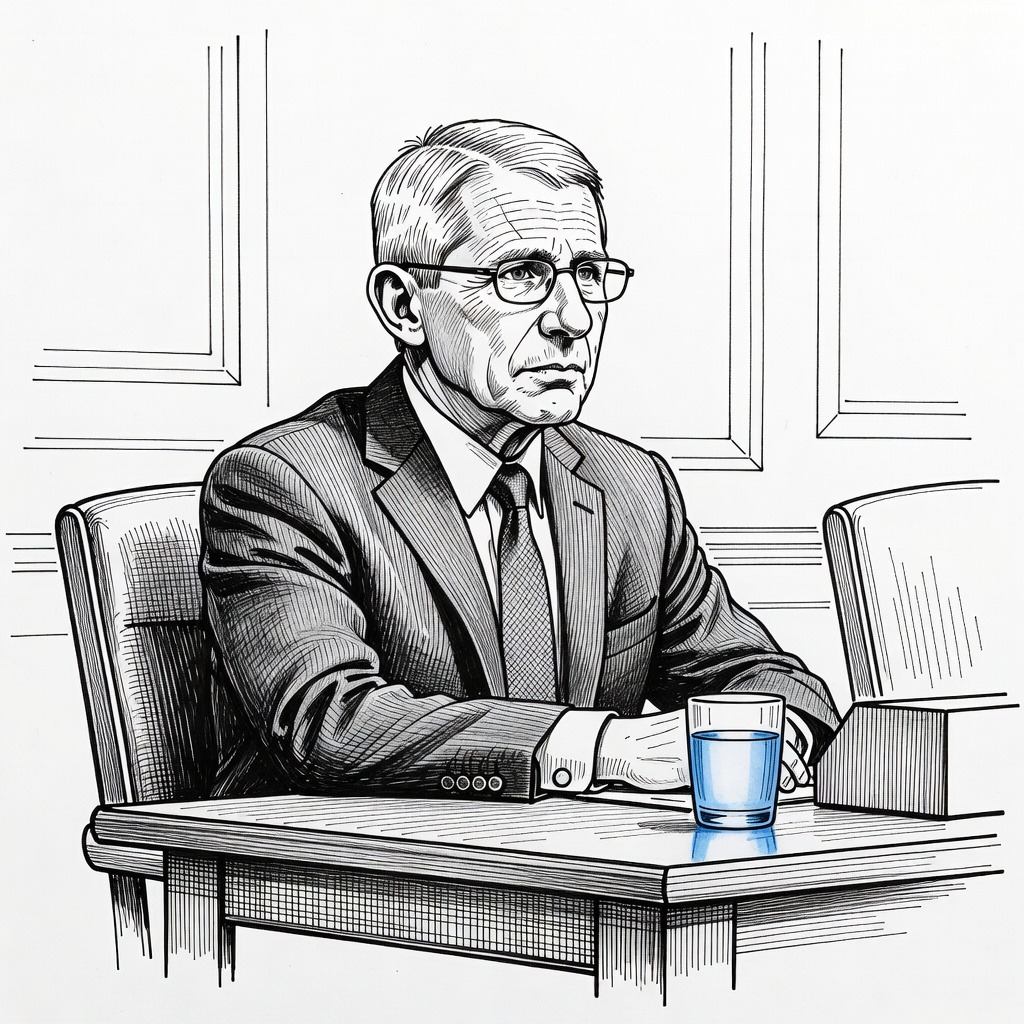
• Shielding Constitutional Rights Against Abuse The core value is the protection of individual civil liberties against punitive government overreach. Dr. Anthony Fauci’s invocation of his Fifth Amendment privilege, supported by attorney David Schertler, represents a vital defense of constitutional protections that cannot be stripped away by political opponents. From this perspective, the right against self-incrimination remains absolute, even when a presidential pardon by Joe Biden is used by critics to argue otherwise. Using the legislative system to target a public servant demonstrates the necessity of these constitutional safeguards to prevent congressional hearings from becoming forums for personal retribution.
• Rebuffing Partisan Judicial Intimidation The underlying priority is safeguarding public servants from political persecution and the weaponization of congressional oversight. Senator Rand Paul’s public release of over 1,000 pages of Fauci’s personal diary entries is interpreted not as legitimate oversight, but as an aggressive campaign to intimidate and slander a public health official. In invoking the Fifth Amendment, Fauci establishes a necessary boundary against what he termed Paul's obsession with prosecuting him. This defensive maneuver protects the integrity of public service by ensuring that scientists and officials are not subjected to bad-faith inquisitions for executing their duties during a national crisis.
• Preserving Scientific Independence from Politics The long-term risk of this legislative inquiry is the chilling effect it places on future public health crises and scientific governance. Democratic senators who defended Fauci's public service see the Republican focus on school closures, mask mandates, and pandemic-era policies as an ideological effort to rewrite history and undermine scientific expertise. If former officials are held in contempt of Congress for asserting their legal rights, it sets a dangerous precedent where public health decisions are litigated through partisan tribunals. Ultimately, this threatens the nation's capacity to recruit top-tier scientific talent who may fear future political prosecution for evidence-based decision-making.
How it may affect me
As a U.S. reader:
• In the short term, the upcoming congressional vote on holding a former official in contempt of Congress may establish new legal boundaries regarding the use of the Fifth Amendment after a presidential pardon.
• In the long term, intense political scrutiny of public health decisions could make it more difficult to recruit top-tier scientific talent to serve in public health positions.
• The continued refusal to answer questions leaves the public without a definitive legislative accounting of pandemic-era policies, such as mask mandates and school closures, that affected families.
• The dispute may affect public trust in government institutions, either by shielding officials from what some see as partisan prosecution or by obstructing democratic transparency and institutional oversight.