
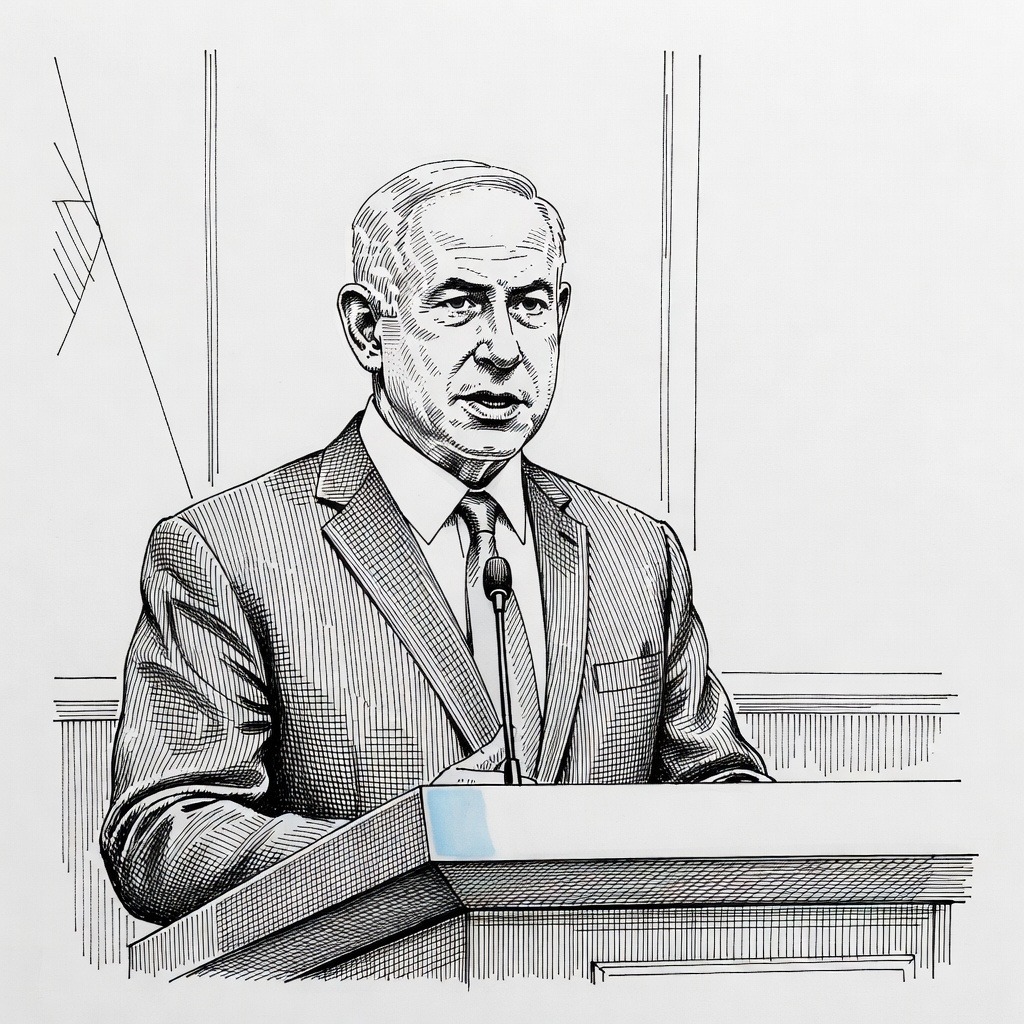
• De-Escalation Through Diplomatic Engagement Prioritizing international law and the mitigation of human suffering requires pursuing a negotiated broader agreement rather than expanding punitive blockades. Discussing a complex land blockade across seven bordering nations risks massive regional instability and severe economic devastation for innocent civilian populations. True security is achieved not through asphyxiating economic warfare, but by addressing the root diplomatic friction points through dialogue.
• Shielding Democratic Discourse From Manipulation Preserving the integrity of democratic decision-making requires transparency and accountability, rather than dismissing domestic dissent as mere foreign manipulation. While Netanyahu attributes falling American support to external bot farms and social media campaigns, this defense overlooks genuine public concern regarding the human cost of the ongoing six-month conflict. Addressing allegations of public opinion manipulation, such as those previously raised by Vice President Vance, is essential to ensure foreign policy reflects authentic democratic will rather than geopolitical posturing.
• Breaking The Escalation Cycle Relying on military deterrence and threatening "immediate and forceful" responses perpetuates a dangerous cycle of violence that endangers global security. While Israel has temporarily paused strikes since the U.S. restarted its military campaign, the continued threat of unilateral military action undermines collective security frameworks. A sustainable peace cannot be built on the brink of perpetual warfare; instead, the international community must champion cooperative security structures to prevent regional spillover.
How it may affect me
As a U.S. reader:
• You may experience the ongoing deployment of U.S. military forces, as the U.S. has restarted its military campaign and the president is evaluating strategic options that include further military action.
• Your exposure to online information regarding the conflict may be influenced by foreign bot farms and social media manipulation aimed at shaping American public opinion.
• You could face indirect economic impacts if the U.S. pursues strategic options like the blockade of the Strait of Hormuz, which risks regional instability.
• You will likely witness continued domestic political debate over whether the U.S. government should prioritize diplomatic negotiations or maximum economic and military pressure.