
• The Sovereignty Gamble Prioritizing international law and diplomatic stability, this model views the joint airstrikes as a destabilizing violation of Iraqi sovereignty that undermines local governance. Targeting the Popular Mobilization Forces—killing 20 and wounding 32—fuels anti-Western sentiment and weakens the Iraqi state's authority. This military action directly validates the Iraqi president’s condemnation of foreign powers using Iraqi territory to settle international disputes, proving that external kinetic actions disrupt delicate political balances and create power vacuums.
• The Inflationary Shockwave This framework highlights how kinetic operations yield immediate, negative externalities for the global economy and everyday consumers. The spike in Brent crude to between $85 and $89.94 per barrel and WTI to between $81.93 and $84.69 illustrates that military escalation directly penalizes global markets. Relying on military intervention rather than diplomatic de-escalation destabilizes critical shipping corridors, demonstrating that force creates systemic economic friction rather than lasting prosperity.
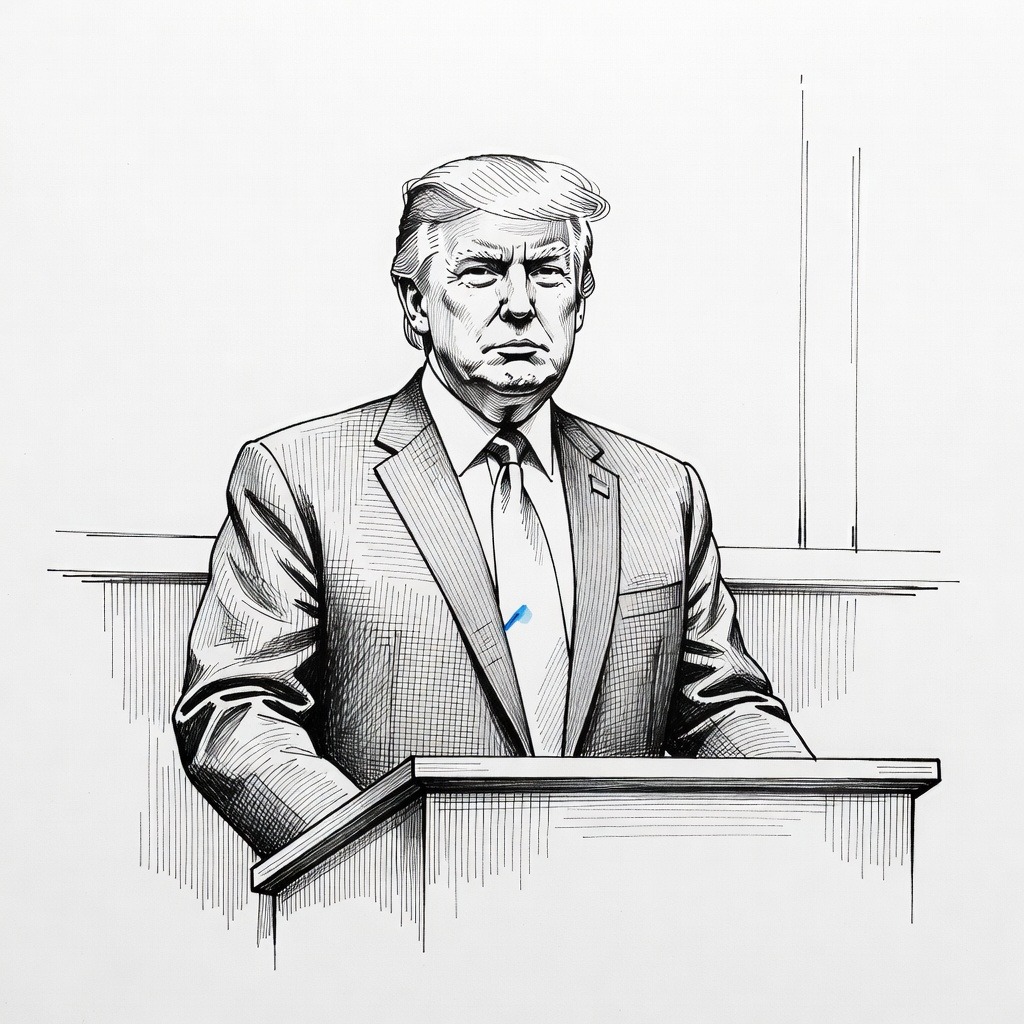
• The Escalation Trap From this perspective, retaliatory military campaigns fail to deter adversaries and instead trigger dangerous, compounding regional conflicts. The immediate aftermath of the airstrikes—including Jordan intercepting five Iranian missiles, the IRGC targeting U.S. forces with ballistic missiles, and Houthi attacks on Saudi tankers—proves that violence begets violence. President Trump's threat of heavy retaliation and Tehran's subsequent refusal to engage in direct talks show that aggressive posturing closes down diplomatic exit ramps, locking all parties into an escalatory spiral.
How it may affect me
As a U.S. reader:
• You may face higher short-term costs for gasoline and energy as global oil prices rise, with U.S. West Texas Intermediate crude increasing to between $81.93 and $84.69 per barrel.
• Family members or individuals serving in the U.S. military stationed in the Middle East face heightened safety risks from retaliatory ballistic missile and drone attacks.
• You could experience long-term economic friction and trade disruptions if ongoing attacks on tankers in the Red Sea compromise critical shipping lanes.
• There is an increased long-term risk of the nation entering a broader regional conflict due to rising military escalation and a breakdown in direct diplomatic talks between U.S. and Iranian officials.