
• Jeopardizing Critical Diplomatic Leverage Prioritizing cooperative engagement and economic integration is essential for fostering global stability and resolving geopolitical friction. By implementing a sweeping import ban just before the scheduled September meeting between President Trump and Xi Jinping, the U.S. risks alienating a key global partner and closing off avenues for peaceful negotiation. This confrontational approach elevates bilateral friction over constructive diplomacy, potentially hardening China's stance rather than fostering mutual concessions on technology and security.
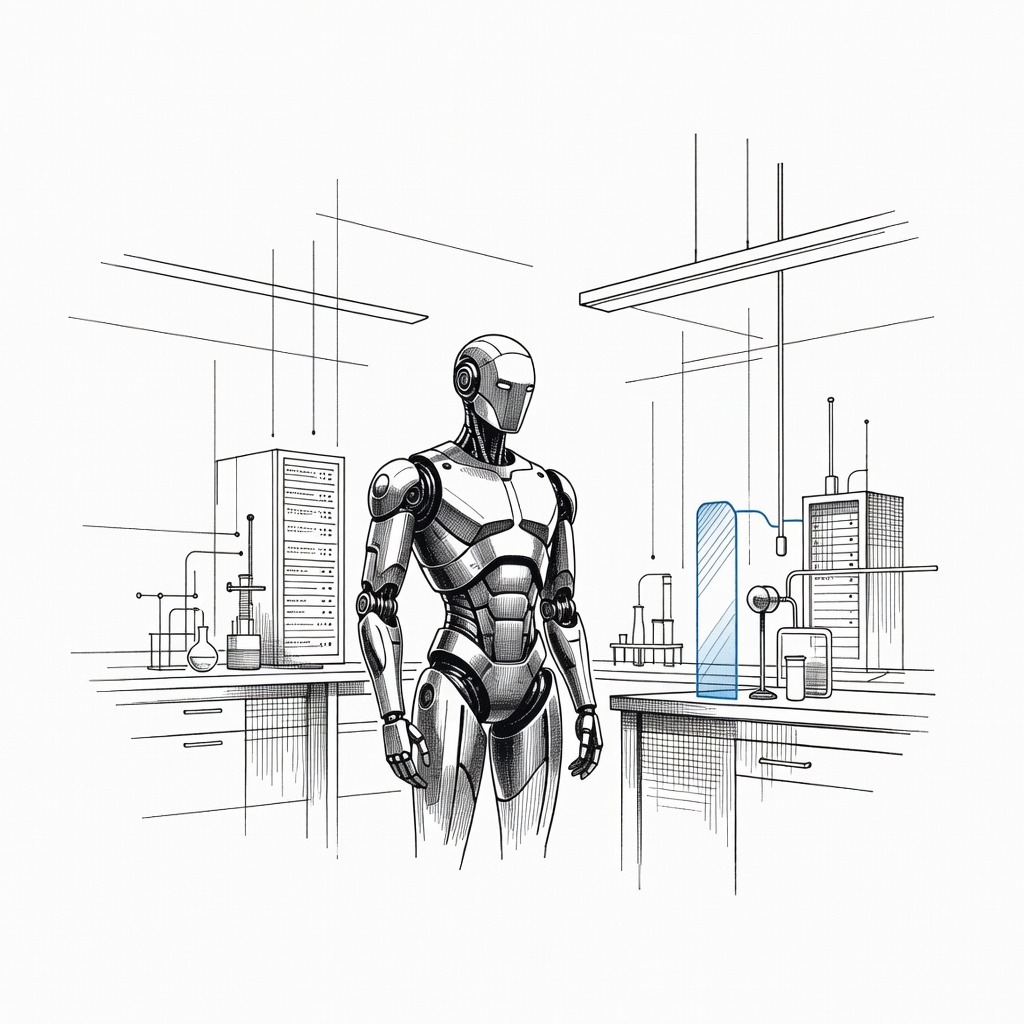
• Chilling Essential Industry Collaboration True security is built on open innovation and shared global progress rather than protectionist barriers. Restricting access to Chinese humanoid robots—where firms like Unitree and AGIBOT dominate with over 10,000 combined shipments compared to the few hundred from Tesla and Figure AI—denies American industries access to mature, cost-effective technologies. Furthermore, warning of disruptions to joint venture projects reveals how decoupling actively undermines the collaborative ecosystem that drives Western technological advancement.
• Stalling the Green Transition Protecting civil infrastructure should not come at the expense of sustainable development and consumer welfare. Targeting power inverters, which are vital components for transitioning renewable energy systems and data centers to clean power, risks slowing down the domestic transition to sustainable energy. By prioritizing an all-encompassing security narrative, policymakers place a heavy burden on American firms and consumers who rely on affordable green technologies, without actually slowing down China's independent technological development.
How it may affect me
As a U.S. reader:
• You may experience higher prices or reduced availability for household appliances and renewable energy systems that rely on foreign power inverters.
• Your household and local utility grids could face fewer cybersecurity and espionage risks by blocking foreign-manufactured robotics and electronic components.
• The domestic transition to green energy may slow down because of restricted access to affordable, foreign-made components.
• In the long term, you may see a push toward the domestic manufacturing of advanced robotics, though access to highly developed foreign humanoid robots will be restricted in the near term.