
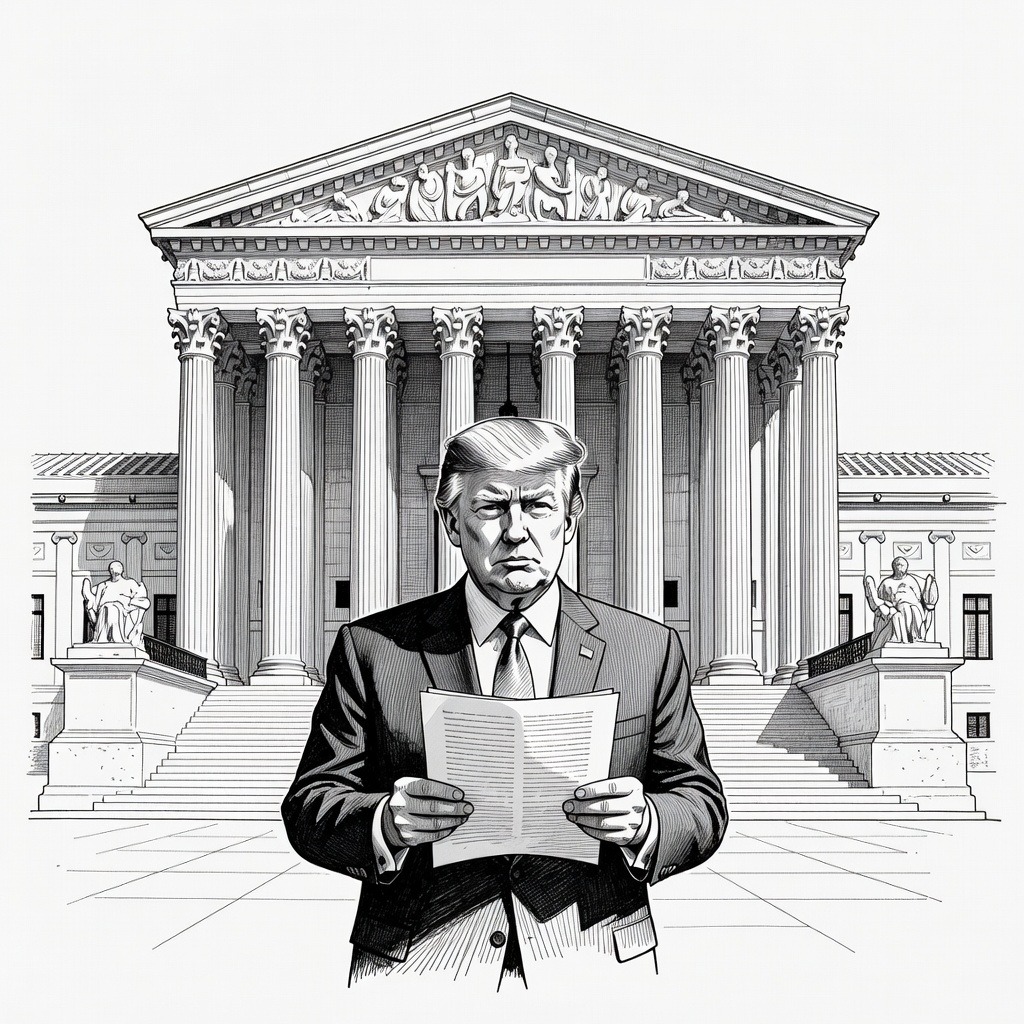
• Dismantling the Executive Shield The $83.3 million defamation judgment represents a vital mechanism of civil accountability, demonstrating that the presidency cannot be used as a shield to defame and silence vulnerable citizens. In this view, the statements made in 2019 regarding sexual assault allegations from the 1990s constitute purely personal misconduct rather than official state duties. Allowing presidential immunity to erase this verdict would undermine the core democratic principle of equal justice under the law by placing the executive above civil accountability.
• Rejecting Taxpayer-Funded Protection The petition by the Department of Justice to substitute the U.S. government as the defendant under the Westfall Act is a harmful misapplication of legal frameworks meant for routine public service. Utilizing public resources and the weight of the federal government to defend personal defamation claims distorts the purpose of the statute. Protections designed to ensure the smooth operation of government should never be leveraged to absorb the financial liabilities of an individual's personal behavior.
• Preventing Absolute Executive Impunity Expanding the 2024 Supreme Court decision to cover personal defamation risks creating an unaccountable executive branch capable of targeting private citizens with impunity. If the judiciary overturns this historic civil judgment, it establishes a precedent where future presidents can use the platform of their office to destroy reputations without facing legal consequences. This outcome threatens to erode the checks and balances necessary to protect individual civil liberties from state-sanctioned harm.
How it may affect me
As a U.S. reader:
• If the Department of Justice is permitted to substitute the U.S. government as the defendant, public resources and taxpayer funds could be used to absorb the financial liabilities of a president's personal legal dispute.
• A ruling in favor of presidential immunity could permanently limit the ability of private citizens to successfully sue sitting presidents for defamation, reducing legal protections for individual reputations.
• Conversely, keeping the multi-million dollar judgment in place could increase the risk of civil lawsuits against future presidents, which may disrupt government stability and alter how executive officials communicate with the public.
• The Supreme Court's decision could clarify the future application of the Westfall Act, affecting the scope of civil liability protections for all federal employees acting in their official roles.