
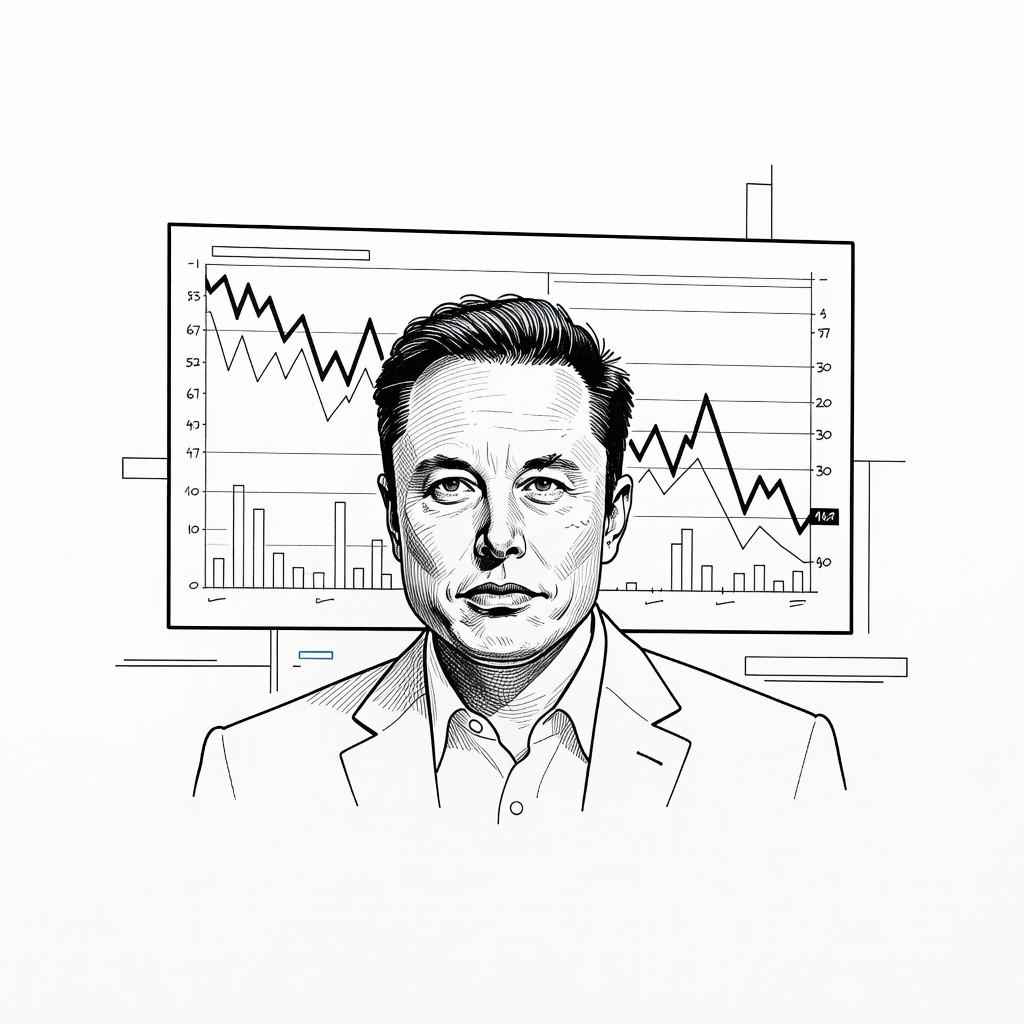
• Demolishing Speculative Hype Engines The protection of public wealth requires constant vigilance against overinflated tech valuations that inevitably collapse and harm ordinary participants. The massive $1.5 trillion combined market capitalization loss, highlighted by SpaceX's 50 percent plummet from its June peak of $225.64 to $113.50, demonstrates how speculative bubbles extract real wealth to fuel corporate myths. Relying on charismatic corporate leaders to generate broad economic security creates systemic fragility, leaving everyday investors exposed when these artificial valuations finally correct.
• Shielding Vulnerable Retail Traders Protecting public investors from asymmetric market mechanics is a prerequisite for a fair, transparent economy. As the August 6 insider lock-up expiration approaches—allowing wealthy insiders to sell up to 20 percent or 900 million shares early—optimistic retail traders have purchased approximately 100,000 call options compared to 46,000 put options. This disconnect, contrasted with the cautious positioning of larger institutional players, reveals a predatory market dynamic where everyday retail investors bear the downside risk while corporate insiders secure their exits.
• Penalizing Unproductive Capital Extraction A equitable economic system must prioritize tangible societal value over massive, unaccountable expenditures on unproven technologies. Wall Street penalizing technology companies for high capital expenditures, which helped drive Tesla shares down 18 percent, confirms that speculative tech empires prioritize executive ego and technological fantasies over stable economic utility. Channeling billions into speculative capital expenditures rather than labor, consumer safety, or public utility generates immense corporate waste and proves that trickle-down tech investments do not serve the public interest.
How it may affect me
As a U.S. reader:
• If you are a retail investor holding SpaceX or Tesla shares, you face immediate financial risk and short-term volatility, with options pricing indicating a potential 15 percent price swing following SpaceX's upcoming earnings report.
• You could see a drop in SpaceX's stock price after August 6, when the insider lock-up period expires and allows up to 900 million shares to enter the trading market.
• Your investment portfolios may experience long-term effects as market forces correct speculative tech valuations to establish more realistic and stable asset pricing.
• You may see these companies adjust their strategies to focus on near-term fiscal discipline and operational efficiency rather than heavy spending on artificial intelligence, as Wall Street continues to penalize high capital expenditures.