
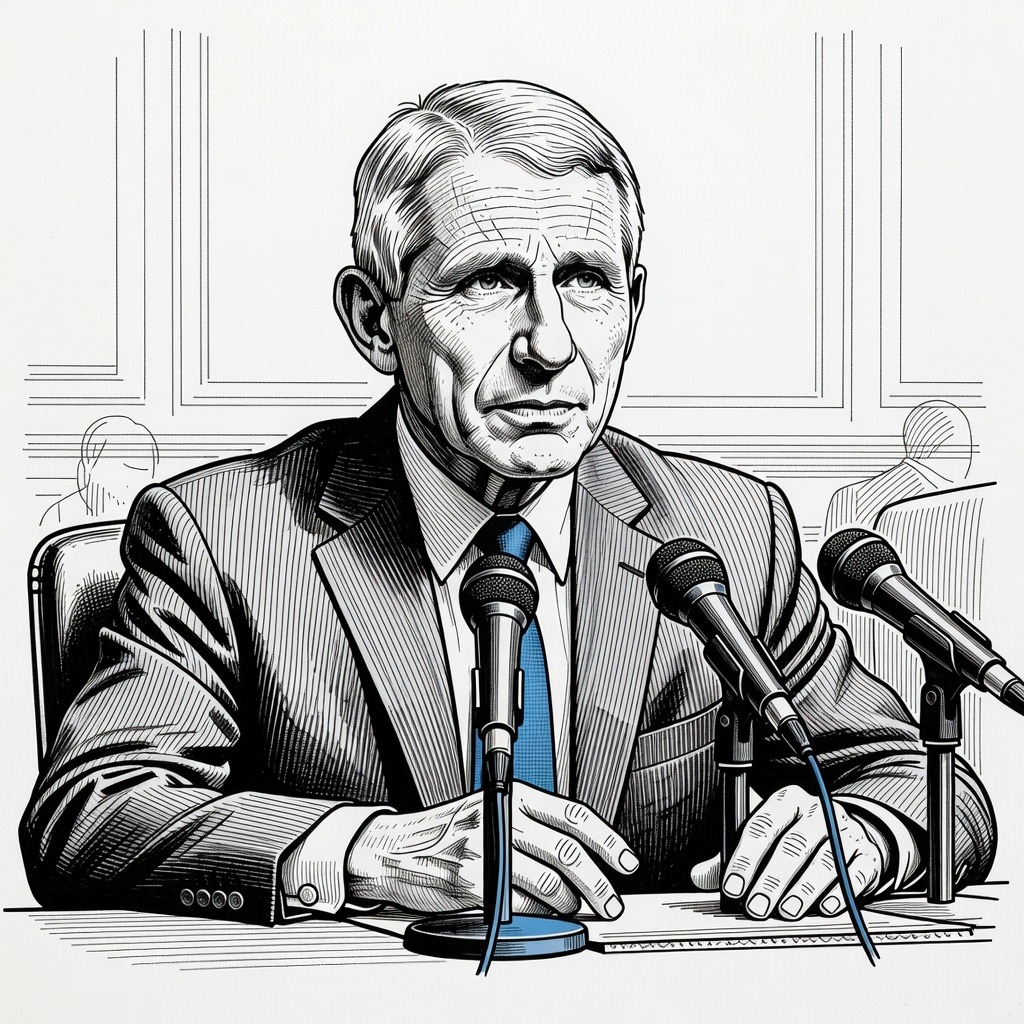
• Shielding Public Health Integrity The primary value here is safeguarding public health infrastructure and protecting vulnerable populations from political interference. Forcing former director Anthony Fauci to testify under subpoena and releasing his private diaries is interpreted as an assault on scientific independence. Under this lens, public health officials must have the liberty to candidly debate options like school closures and pandemic origins without fearing that their evolving thoughts will be retroactively weaponized. When routine scientific deliberations are framed as conspiracies, it damages public trust and weakens the state's capacity to manage future health emergencies.
• Challenging Partisan Political Overreach This perspective seeks to challenge a political status quo where congressional oversight is manipulated for partisan gain rather than public progress. Senator Rand Paul's public release of Fauci's personal communications is viewed as a targeted political campaign rather than a legitimate search for truth, echoing Senator Richard Blumenthal’s characterization of the actions as a personal vendetta. By selectively highlighting private discussions with media figures and state officials, critics argue that partisan actors are scapegoating public servants. This overreach threatens the civil liberties of government scientists and degrades the standards of constructive government accountability.
• Averting Scientific Chilling Effects The long-term danger identified by this camp is the creation of a chilling effect that paralyzes future crisis responses. If health administrators are retroactively prosecuted or publicly humiliated for private deliberations, future experts will refuse to serve in government or make difficult, necessary decisions. The polarization of pandemic origins—where observers remain deeply divided—is exacerbated by political show trials that prioritize blame over objective scientific inquiry. Ultimately, this approach risks leaving the nation defenseless in the next crisis as top-tier scientific talent retreats from public service to avoid political crossfire.
How it may affect me
As a U.S. reader:
• You may see changes in how future public health crises are managed, as increased scrutiny of official diaries and communications could either restore public trust through transparency or damage trust by politicizing scientific debate.
• The safety of the public could be enhanced in the long term if growing bipartisan support leads to stricter federal oversight and regulation of high-risk biological research.
• Future government responses to crises could be weakened if top-tier scientific experts become reluctant to serve in public roles due to the threat of political scrutiny and retroactive investigations of their private deliberations.
• You will gain greater clarity regarding how major pandemic-era decisions, such as school closures and responses to virus origin theories, were formulated behind closed doors.