
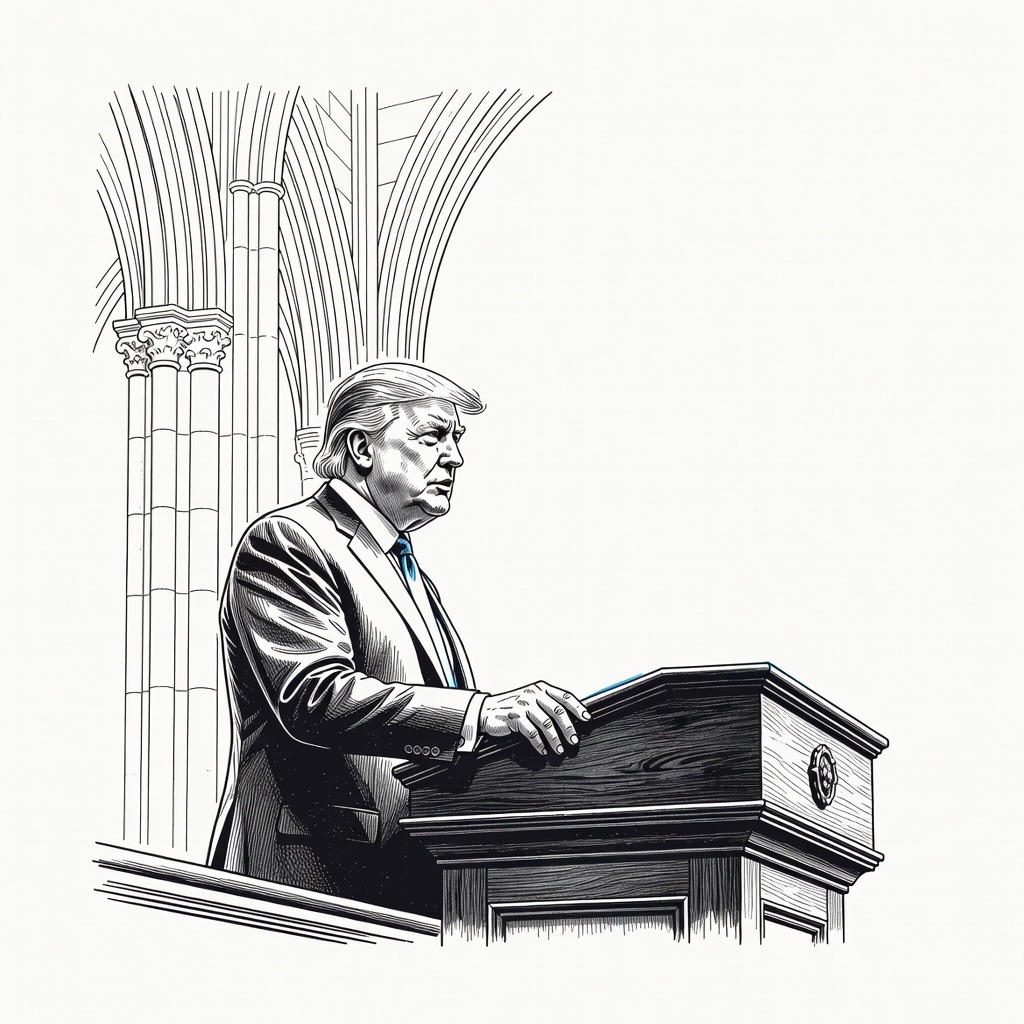
• Dismantling Elite Institutional Echo-Chambers This perspective prioritizes democratic accountability and skepticism toward the uncritical glorification of long-serving political elites. The high-profile gathering in the Capitol Rotunda and the presence of international figures like Ukrainian President Volodymyr Zelenskyy and Israeli Prime Minister Benjamin Netanyahu highlight how the political class leverages state ceremonies to reinforce established power networks. Rather than reflecting genuine national unity, these lavish tributes insulate the political establishment from public scrutiny and validate a legacy deeply tied to controversial foreign policies.
• Questioning the Militarization of Remembrance This camp values peaceful civic progress and views the heavy integration of military assets into a political figure's memorialization with deep concern. The planned F-16 flyover in Columbia and the renaming of Joint Base Charleston to Joint Base Lindsey Graham represent a troubling normalization of state militarism. Elevating a partisan politician's name to a major military installation conflates defense of the republic with career politics, potentially undermining the non-partisan nature of the armed forces.
• Sanctifying Partisan Political Legacies The core risk identified by this framework is the dangerous precedent set by elevating highly partisan figures to secular sainthood. Hosting a Cathedral funeral featuring eulogies from political allies like Donald Trump and media figures like Sean Hannity blurs the line between public service and ideological loyalty. Over time, this practice risks institutionalizing a system where access to state honors is determined by political alignment rather than an objective evaluation of a leader's contribution to the public good.
How it may affect me
As a U.S. reader:
• In the short term, residents in South Carolina will experience localized events, including a memorial procession and an F-16 military flyover in Columbia.
• In the long term, the planned renaming of Joint Base Charleston to Joint Base Lindsey Graham will permanently change the designation of a major domestic military facility.
• In the short term, the private discussions held between U.S. officials and visiting leaders from Ukraine and Israel during the services may influence ongoing national security decisions and foreign policy alignments.
• In the long term, the continued use of state ceremonies and military honors for political figures may either reinforce public trust in the stability of national institutions or deepen public skepticism regarding the non-partisan nature of the military and public honors.