
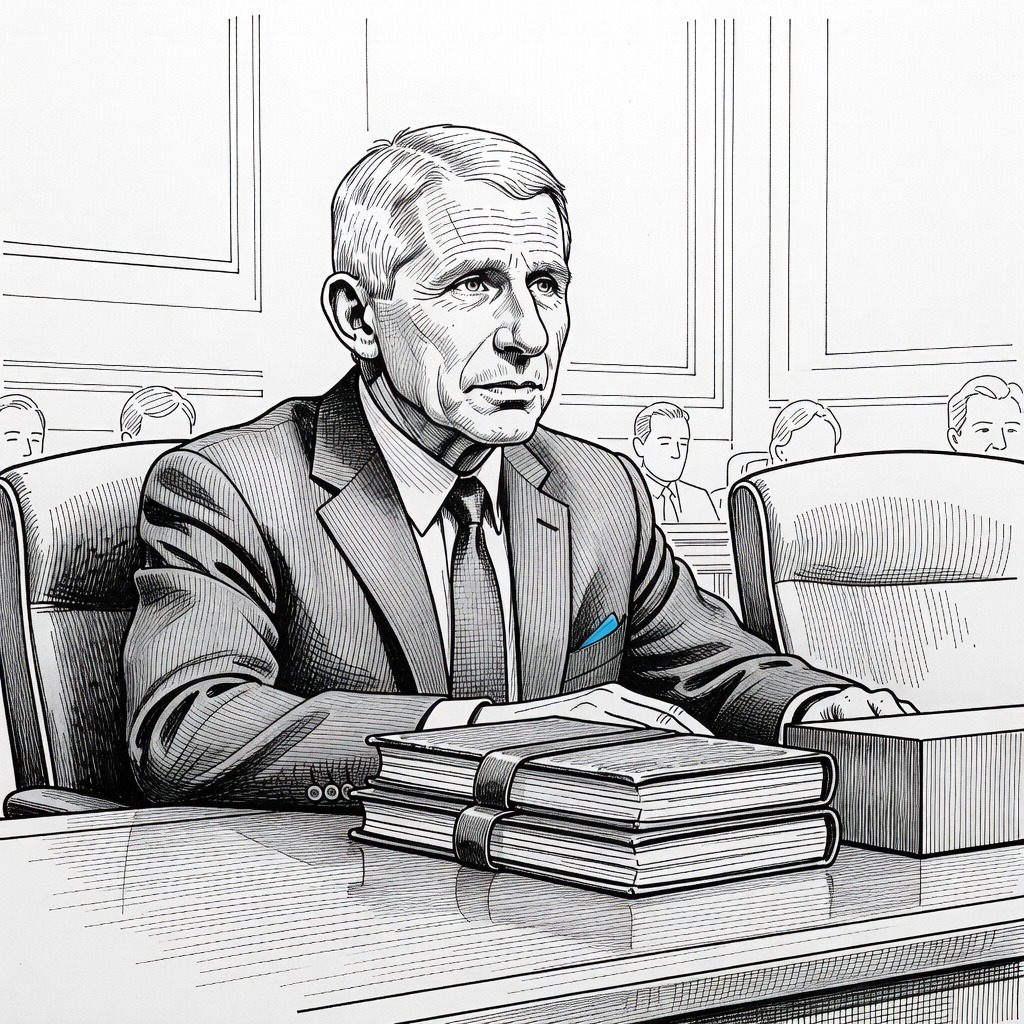
• Shielding the Collective Vulnerable Protecting the public during an unprecedented health crisis requires a flexible, adaptive strategy that prioritizes collective safety over rigid, static dogma. The 1,000 pages of diaries from December 2019 to December 2022 reveal a dedicated public official navigating highly volatile data, such as shifting mortality estimates and public behavioral responses, to implement life-saving interventions like masking and school closures. This pragmatic, real-time adjustments of public recommendations represent a necessary shield for vulnerable populations when scientific consensus is still actively evolving.
• Challenging Partisan Deconstruction Social progress and civil liberties are deeply threatened when complex, private deliberations are weaponized to dismantle public trust in scientific institutions. The selective release of Dr. Fauci’s private thoughts on political dynamics and virus origins ahead of a Senate Homeland Security Committee hearing represents a strategic effort to weaken the federal government's administrative capacity. By characterizing standard scientific debate as a cover-up, critics undermine the very state machinery needed to protect citizens from future systemic crises.
• Defending Intellectual Progression Scientific progress relies entirely on the freedom of experts to debate hypotheses—such as a potential laboratory insertion versus a natural origin—without fear of political prosecution. Labeling early, exploratory private thoughts as deceptive public contradictions creates a chilling effect that paralyzes future crisis responses. The risk of this oversight style is that public officials will prioritize political self-preservation over the honest, evolving scientific inquiry required to manage national emergencies.
How it may affect me
As a U.S. reader:
• You may experience a shift in your trust toward federal public health institutions as the public debates discrepancies between Dr. Fauci's private writings and his public recommendations on masking, school closures, and mortality rates.
• Future emergency and pandemic responses could be altered, with public health officials potentially becoming more hesitant to make real-time policy adjustments out of fear of political and congressional scrutiny.
• There may be increased congressional oversight and efforts to limit the authority of unelected federal health administrators, which could reduce the likelihood of future federally-driven school or business closures.
• The ongoing debate over the origins of COVID-19 and the necessity of past lockdown measures will likely continue to influence public opinion and future local policy decisions regarding infectious disease outbreaks.