
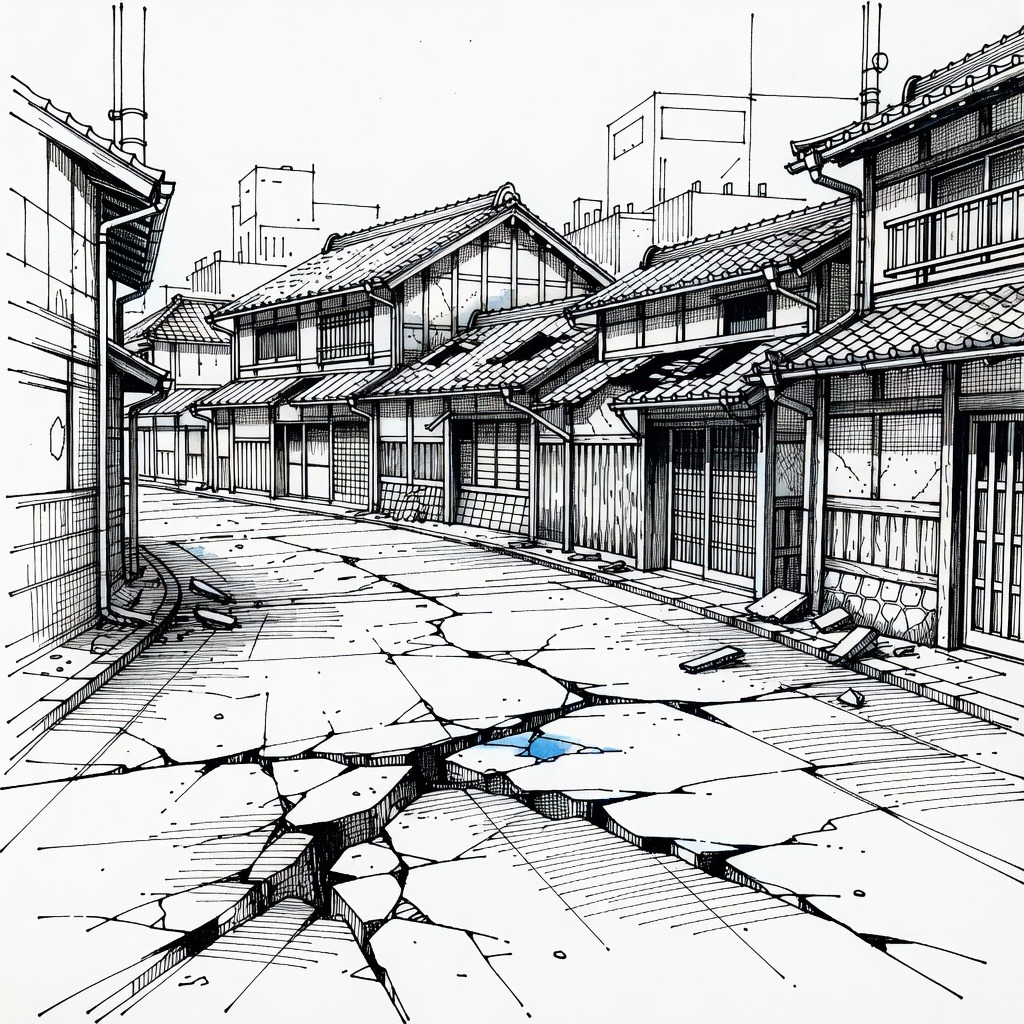
• Expose Commercial Structural Deficiencies Prioritizing civilian safety and corporate accountability requires a critical look at the vulnerabilities of public and industrial infrastructure. The partial collapse of the AEON Mall's second floor and roof in Kashima, alongside reports of trapped individuals and a potential explosion, reveals a dangerous failure of private entities to secure high-occupancy commercial spaces. This failure, compounded by the chimney collapse at the Japan Paper Industries factory, demonstrates that current regulatory and enforcement mechanisms are insufficient to protect workers and consumers from structural disasters.
• Challenge Official Casualty Reporting Prioritizing transparency and public trust demands that government institutions provide immediate, unvarnished information during a crisis. While officials publicly confirmed only one death from a collapsed house, local police sources reported multiple fatalities at the Kashima mall, indicating a gap between official narratives and the reality on the ground. Hesitance or delay in publicly confirming these casualties suggests an institutional effort to manage public panic and shield corporate entities from scrutiny rather than keeping the public fully informed.
• Confront Nuclear Status Quo Prioritizing ecological preservation and long-term public safety means questioning the wisdom of maintaining high-risk energy infrastructure in seismically volatile regions. Allowing three regional nuclear reactors to continue operating normally during a magnitude 7.1 earthquake represents an unacceptable gamble with systemic containment. Given that the Kumamoto region has suffered repeated major tremors since 2016, relying on the temporary absence of detected abnormalities ignores the cumulative, invisible structural stress that threatens catastrophic future failures.
How it may affect me
As a U.S. reader:
• No significant practical impact on the general public in the United States is expected from this localized earthquake in Japan, with potential effects limited to short-term disruptions for U.S. travelers due to the temporary suspension of all flights at Kumamoto Airport.