
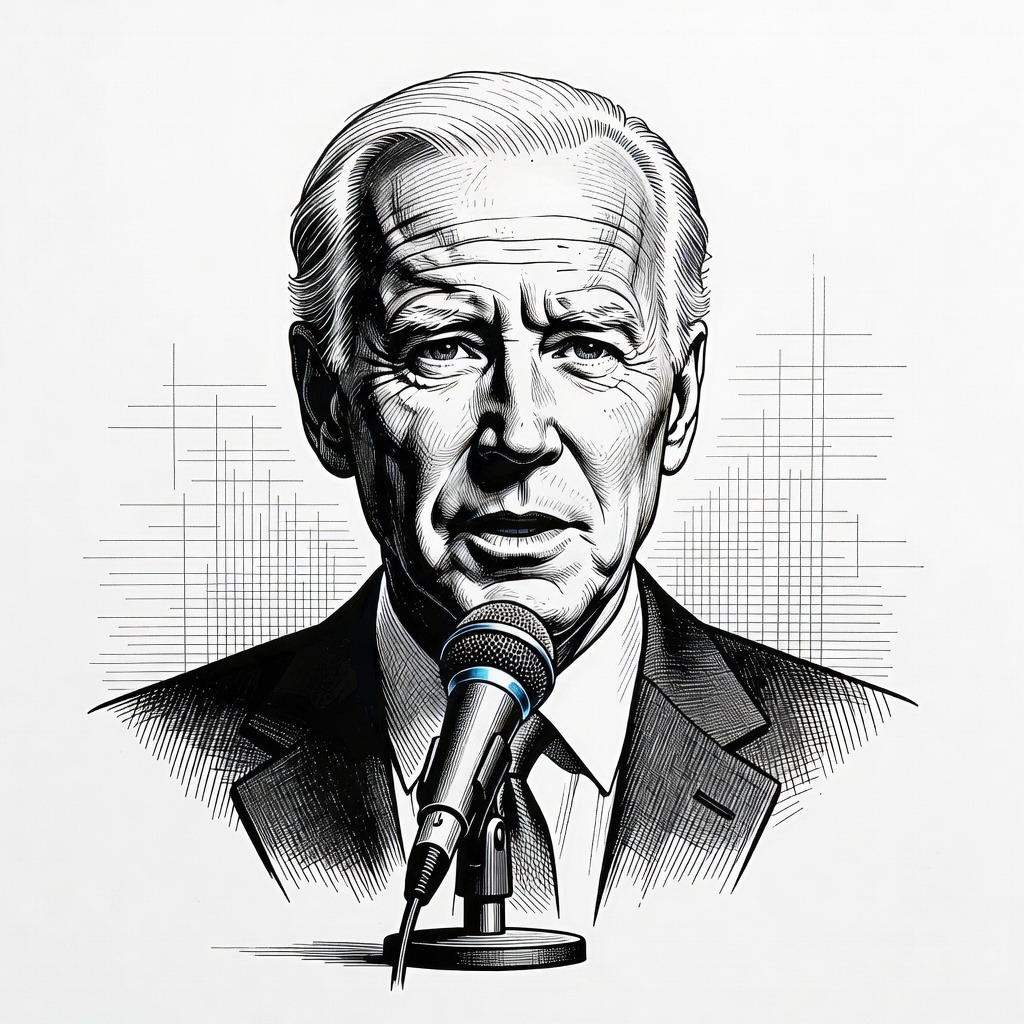
• Demanding Accountability Through Transparency Democratic governance requires that public figures operate under the light of public scrutiny rather than the shield of executive privilege. By dropping the lawsuit to block these records, the system demonstrates that even the highest levels of government must capitulate to the public's right to know. This release vindicates the role of public record requests as a check on executive power, ensuring that internal communications do not remain permanently shielded from civic oversight.
• Defending Due Process Against Overreach Prosecutorial decisions must be governed strictly by the high burden of proof required by the rule of law, not political pressure or public clamor. Special Counsel Robert Hur's decision not to recommend criminal charges reflects a disciplined adherence to the standard of "beyond a reasonable doubt," acknowledging that memory lapses and halting speech in informal settings do not constitute criminal intent. Demanding a reexamination of this closed case risks weaponizing the justice system and eroding the foundational legal principle that individuals are innocent until proven guilty.
• Exposing the Weaponization of Human Frailty The focus on a public figure's speech patterns, pauses, and natural lapses in memory represents a superficial deflection from substantive policy debate. Characterizations of cognitive decline are frequently deployed to undermine institutional leadership and distract from the actual facts of the investigation, which found no willful intent to compromise national security. Overemphasizing these personal attributes shifts the public discourse away from systemic governance and into the realm of political theater, targeting the individual rather than evaluating the institutional structures of classification.
How it may affect me
As a U.S. reader:
• In the short term, you will have greater access to federal records, demonstrating how public records requests can successfully be used to bypass executive privilege and increase government transparency.
• In the long term, your confidence in the equal application of the law may be affected by debates over whether a double standard exists for high-ranking officials regarding the handling of classified documents.
• You may see stricter enforcement of national security protocols to ensure that sensitive sovereign secrets are not shared or retained in informal settings.
• You will likely experience public discussions that focus heavily on the cognitive fitness and speech patterns of political leaders rather than on substantive policy issues.