
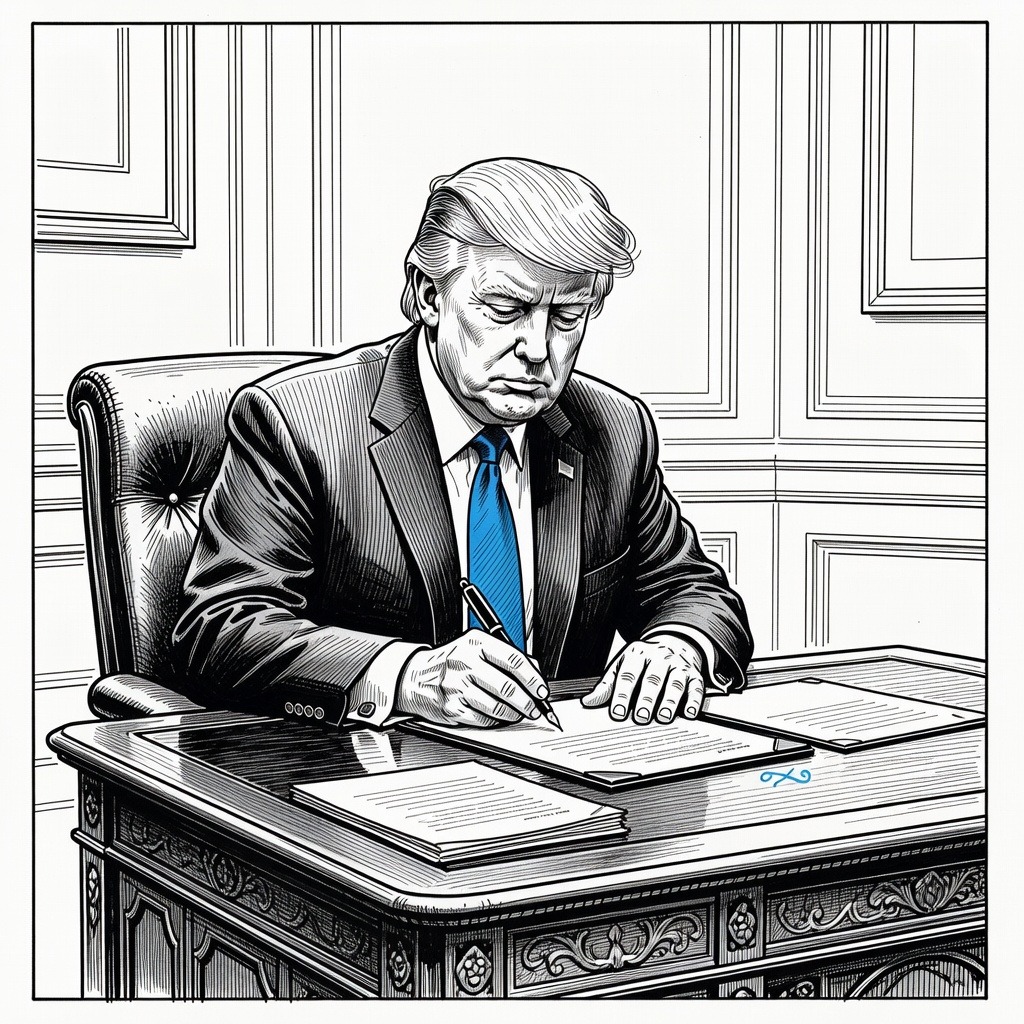
• Shielding Vulnerable Domestic Consumers Prioritizing social equity means protecting everyday citizens from regressive economic policies that disproportionately strain household budgets. Imposing broad tariffs ranging from 10% to 12.5% acts as an indirect tax on domestic consumers, driving up the cost of everyday goods even with exemptions for basic commodities. While eradicating global forced labor is a vital humanitarian objective, forcing domestic working-class families to bear the financial burden of international regulatory enforcement represents an unfair shifting of corporate accountability.
• Challenging Unilateral Executive Overreach Protecting democratic accountability and civil liberties requires strict adherence to international legal norms and legislative oversight. Relying on a blanket application of Section 301 of the Trade Act of 1974 violates the original intent of Congress, which former WTO official Alan Wolff notes was designed to address trade practices on an individual, country-by-country basis. Bypassing multilateral institutions to unilaterally enact trade barriers risks diplomatic isolation and invites further legal instability, especially following the February Supreme Court ruling that struck down previous executive trade policies.
• Compounding Working-Class Economic Volatility Ensuring economic security requires shielding workers from simultaneous, compounding macroeconomic shocks. Implementing sweeping trade barriers at 12:01 a.m. ET amidst rising global oil prices and the U.S.-Iran military conflict creates an incredibly precarious environment for vulnerable populations. The convergence of energy inflation, geopolitical conflict, and new import duties threatens to destabilize global supply chains, driving inflation and eroding the purchasing power of average workers.
How it may affect me
As a U.S. reader:
• You may experience higher costs on everyday imported goods due to the new tariffs, which act as an indirect tax on consumers despite exemptions for basic commodities.
• You could see some protection from immediate price spikes on essential items like food, fuel, and fertilizers, which are exempt from these new duties.
• You may face increased short-term economic instability and inflation as these trade barriers are implemented alongside rising global oil prices and the ongoing U.S.-Iran military conflict.
• You might observe long-term changes in the products available to you, as the tariff structure financially rewards trading partners that enforce forced labor prohibitions.
• You could see domestic businesses navigate a mix of regulatory predictability under the new legal framework and potential future instability if the blanket tariffs face legal challenges.