
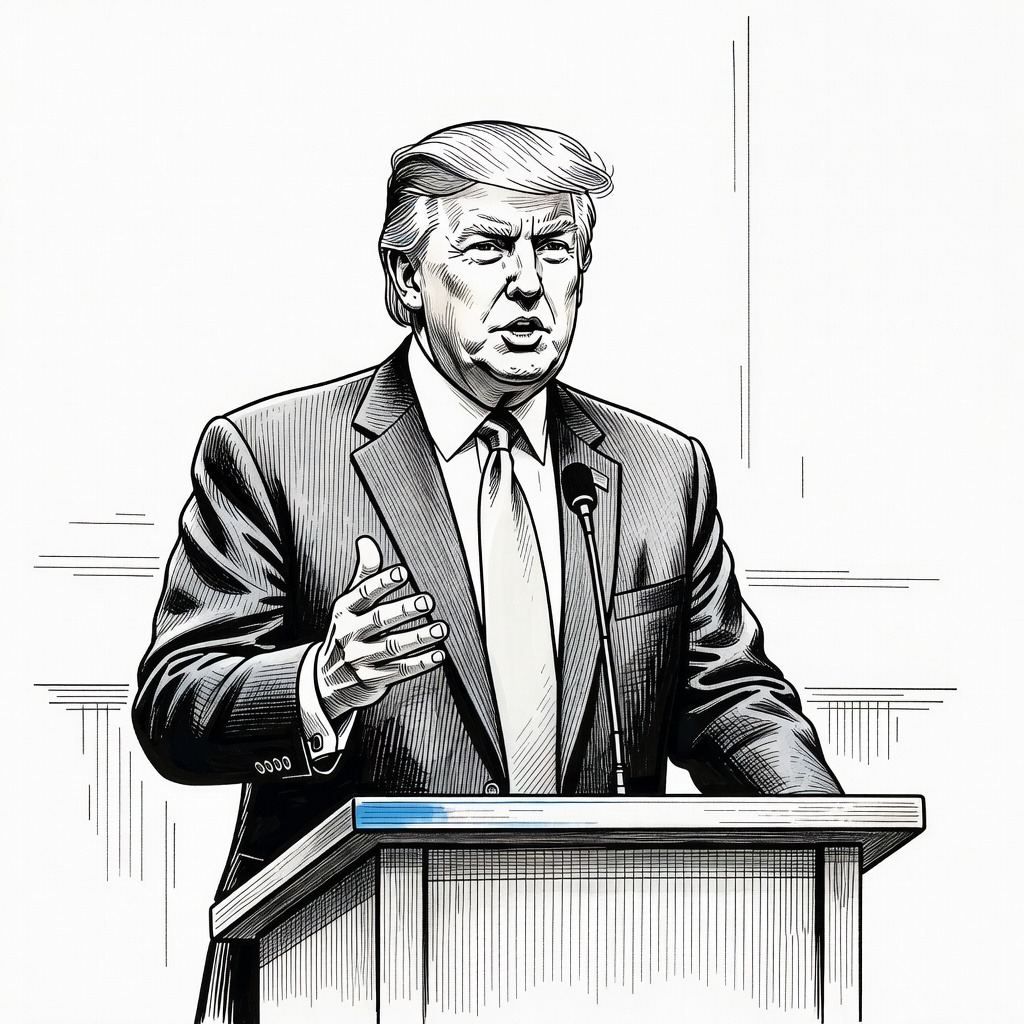
• Pivot to Multilateral Diplomacy Prioritizing diplomatic channels over unilateral military escalation is the only sustainable pathway to long-term regional stability. Ambassador Mike Waltz’s declaration of a temporary pause to facilitate diplomacy, coupled with Oman's mediation regarding maritime traffic in the Strait of Hormuz, validates the premise that negotiation yields safer outcomes than armed conflict. The immediate positive feedback from global stock markets and the nearly seven percent drop in Brent crude oil prices to $85.49 per barrel prove that the global economy thrives on de-escalation rather than aggressive posturing.
• Exposing the Limits of Militarism National security is fundamentally undermined when a state overextends its military assets at the expense of its own strategic readiness. Internal American discussions regarding the depletion of air defense interceptor stockpiles expose the unsustainable physical costs of continuous kinetic intervention. Relying on endless military deployments threatens domestic security reserves, making a diplomatic resolution to the blockade a mathematical and logistical necessity regardless of executive assertions to the contrary.
• Preventing Regional Contagion Cycles Direct military interventions create volatile power vacuums and trigger unpredictable proxy violence across borders. Drone strikes targeting Saudi Arabian petroleum facilities from Iraq, incursions into Jordanian airspace, and the lethal Ukrainian attack on an Iranian vessel in the Caspian Sea demonstrate that localized conflicts quickly spill over into broader humanitarian crises. A permanent, negotiated ceasefire is the only way to disrupt this chaotic cycle of transnational violence and protect innocent lives.
How it may affect me
As a U.S. reader:
• You may experience immediate financial benefits, such as lower domestic energy costs and boosted retirement accounts, due to the nearly seven percent drop in Brent crude oil prices and the rise in global stock markets.
• You could see a temporary reduction in immediate national security concerns, allowing the U.S. military to address internal debates regarding depleted air defense interceptor stockpiles.
• You may face future economic volatility or trade disruptions if diplomatic talks fail to permanently reopen the blockaded Strait of Hormuz, where Iran has continued to target vessels.
• You could be indirectly affected by broader global instability and threat alliances if regional proxy conflicts, such as drone attacks on Saudi petroleum facilities, continue to escalate.