
Tensions Escalate as Trump Weighs Iran Strike and Saudi Forces Hit Houthi Targets

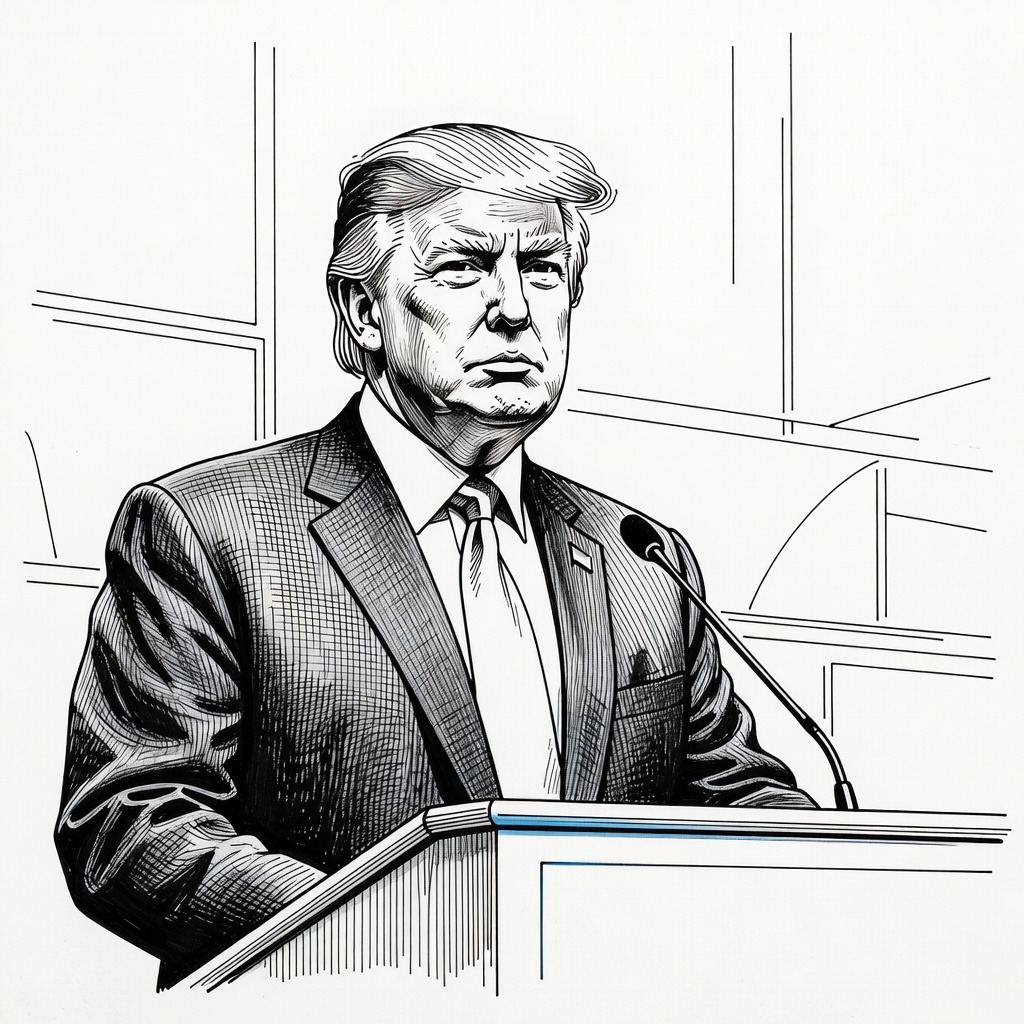
Illustration for: Tensions Escalate as Trump Weighs Iran Strike and Saudi Forces Hit Houthi Targets
AI-generated illustration. Visual interpretation does not represent real individuals or scenes.

THE BARE STORY

U.S. President Donald Trump announced on Thursday that he is preparing a potential major military strike against Iran, stating he would hold the country responsible for attacks by the Houthi militia, which he described as an Iranian proxy. The announcement comes amid ongoing debates in Washington over funding for the conflict and a series of military engagements in the region.

In Congress, the House of Representatives passed a defense funding bill on Wednesday for the military campaign, which has an estimated cost of 37.5 billion dollars. However, the funding package remains stalled in the Senate. On Thursday, the House voted to limit Trump's war powers, while senators questioned the administration's overall strategy. During congressional hearings, Pentagon leaders urged approval of the funds; Pete Hegseth testified that Russia and China are enabling Iranian attacks, while General Dan Caine warned that blocking the budget would force cuts to military training and operations.

Meanwhile, military activity escalated in the Middle East on Saturday. The Saudi-led coalition announced it conducted airstrikes against Houthi targets in Yemen. Coalition spokesperson Major General Turki Al-Malki stated the strikes targeted military sites used to threaten shipping, following Houthi claims of attacking two Saudi oil tankers earlier in the week. Additionally, Saudi air defenses intercepted two ballistic missiles targeting Yanbu on Saturday, which local civil defense officials reported caused no damage.

At sea, a U.S. Central Command spokesperson reported that American forces disabled a merchant vessel, the M/T Lavine, in the Gulf of Oman after it repeatedly attempted to breach a blockade of Iranian ports. Amid the escalating conflict, Pakistani sources indicated on Friday that Pakistan is seeking to facilitate a resumption of peace talks between the United States and Iran.

Same Facts. Different Perspectives.

Two AI models. Two viewpoints. One factual foundation.

• Deterrence Through Decisive Strength Establishing a credible threat of military force is the only effective way to neutralize hostile actors and maintain regional order. Proactive military operations, including the disabling of the *M/T Lavine* for attempting to breach blockades and Saudi airstrikes on Houthi infrastructure, are vital defensive measures to secure global shipping lanes and protect sovereign energy assets. Hesitation in the face of direct security threats only invites further aggression from hostile regimes.

• Engine of Tactical Readiness Approving the $37.5 billion defense funding package is critical to maintaining military readiness and preserving global stability. As military leaders warn that stalling these resources forces cuts to training and operations, projecting vulnerability is a dangerous option, particularly when adversaries like Russia and China are actively enabling Iranian attacks. Robust defense spending is a vital investment in national security that ensures the military remains capable of countering sophisticated, multi-theater threats.

• The Appeasement Security Risk Attempting to negotiate with adversaries before establishing military dominance signals weakness and undermines the credibility of international alliances. Legislative efforts to restrict war powers and delay military budgets create strategic division that hostile states will exploit to expand their influence. Without a foundation of military superiority and the clear political will to deploy it, diplomatic initiatives will fail to produce lasting peace and will instead compromise regional security.

How it may affect me

As a U.S. reader:

• You could see changes in federal spending and taxpayer resource allocation depending on whether Congress ultimately approves or blocks the stalled thirty-seven point five billion dollar defense funding package.

• Military personnel and their families could experience short-term reductions in training and operational resources if the defense budget remains blocked.

• You may face fluctuating costs for energy and imported goods due to the potential destabilization of global shipping lanes and regional energy markets.

• You could see the country enter a new, long-term military conflict in the Middle East if the administration proceeds with direct military strikes against Iran.

Read the story at

Note: All TheBareNews content is AI-generated. For additional context, reporting, and updates, you are invited to explore the news outlets linked above.