
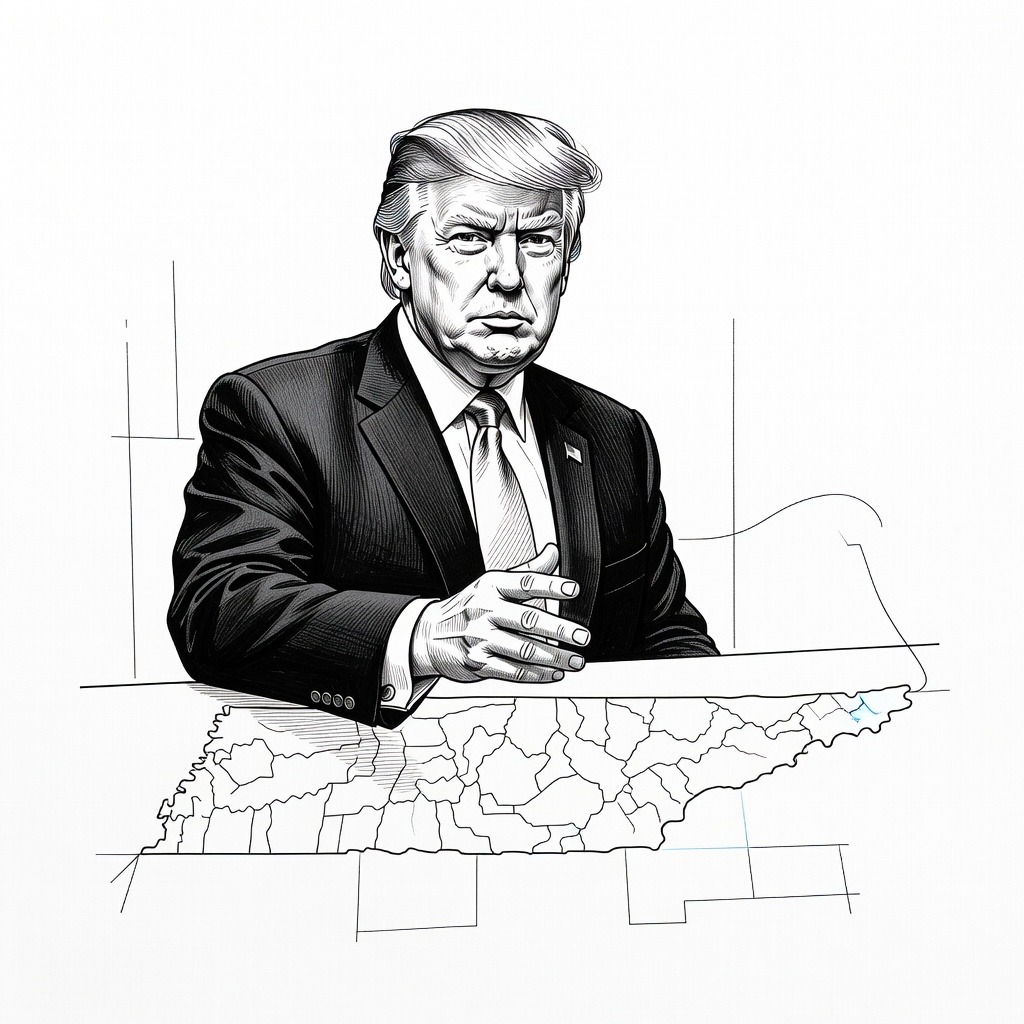
• Fracturing Vulnerable Voting Blocks Social progress and equal representation require that historically marginalized groups are protected from systemic political erasure. By splitting Memphis—the state’s only majority-Black district—among three separate districts, this map dilutes the collective voting power of Black residents. To the Reformer, prioritizing partisan gain over the constitutional rights of minority voters represents a fundamental failure of civic equity and government accountability.
• Weaponizing Partisan Legal Pretexts The defense that this redistricting was motivated by purely partisan goals, rather than racial animus, exposes a cynical exploitation of legal loopholes. Utilizing political affiliation as a shield to justify the systematic dilution of Black votes subverts the core spirit of civil rights protections. Allowing state lawmakers to bypass anti-discrimination principles by simply labeling their actions as "partisan strategy" establishes a dangerous precedent for future civil rights litigation.
• Safeguarding Entrenched Power Structures Allowing the contested map to remain in place for the August 6 primary locks in unequal representation before a full trial on the merits can occur. This judicial greenlight, delivered by a panel featuring a majority of Trump-appointed judges, demonstrates how the courts can act to preserve the institutional status quo rather than protect vulnerable populations. The long-term risk is the normalization of aggressive mid-decade redistricting designed to permanently insulate the ruling party from democratic accountability.
How it may affect me
As a U.S. reader:
• Tennessee voters will cast ballots under the redrawn map in the upcoming August 6 primary election while the lawsuit proceeds.
• Black residents in Memphis will have their voting influence split among three separate districts, potentially reducing their collective political representation.
• The partisan makeup of the U.S. House of Representatives may shift, as the new map is intended to help Republicans win all nine of Tennessee's congressional seats.
• Voters nationwide may see increased mid-decade redistricting by state legislatures seeking partisan advantages, as the court's ruling supports using political goals to justify maps that alter district demographics.