
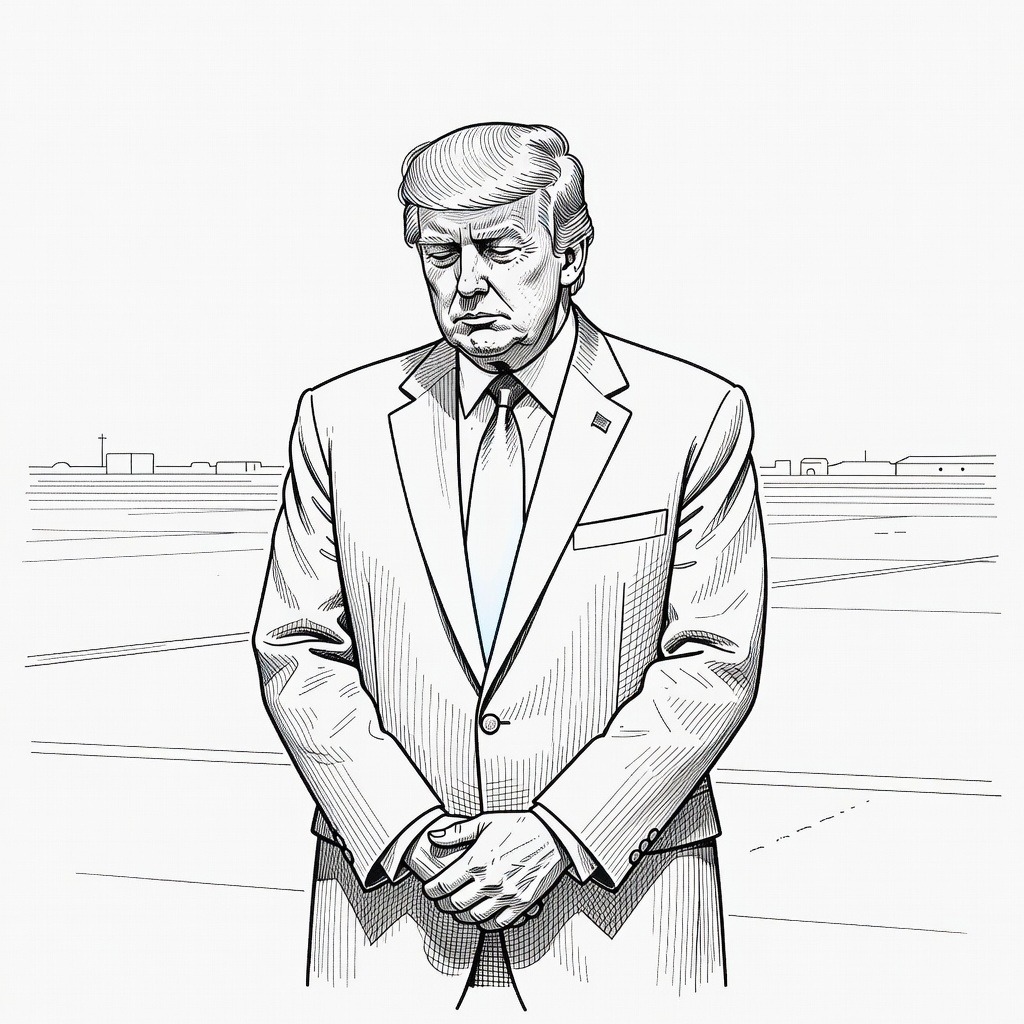
• Exposing the Human Toll Prioritizing human life and diplomatic de-escalation means viewing the deaths of the four service members in Jordan and northern Iraq as a tragic consequence of a failed military strategy. Adjusting the casualty database down from 18 to 14 deaths risks masking the true, ongoing human cost of a conflict where the ceasefire collapsed just two weeks ago. For those focused on minimizing harm, any attempt to compartmentalize or minimize these fatalities undercuts the solemn reality of American lives lost in an avoidable cycle of violence.
• Demanding Democratic Oversight Protecting government accountability and civil liberties requires absolute transparency regarding the true costs and logistics of foreign interventions. The Pentagon's conflicting explanations for the database revision—citing either post-ceasefire dating or temporary technical disruptions—coupled with Representative Adam Smith's claims that the administration is withholding critical casualty and equipment statistics from Congress, signals a dangerous deficit in democratic oversight. Without complete and unmanipulated data, the public and their representatives cannot properly evaluate or challenge the wisdom of this military campaign.
• Halting the Drain of War Challenging the institutional status quo means questioning the massive diversion of public resources toward destructive overseas entanglements. Sparing domestic resources is paramount when a conflict has already cost $37.5 billion and prompted a massive $67 billion supplemental request from Secretary Pete Hegseth, all while failing to prevent Iran from blocking the critical Strait of Hormuz. From this viewpoint, pouring billions more into a strained campaign—while leadership makes inappropriate rhetorical comparisons to historic quagmires like Vietnam and Afghanistan—only deepens a costly strategic failure.
How it may affect me
As a U.S. reader:
• You may experience higher fuel and energy costs because Iran has blocked the Strait of Hormuz, restricting critical oil flows.
• Your tax dollars are being heavily allocated to foreign military actions, with the conflict costing 37.5 billion dollars so far and requiring a requested 67 billion dollars in additional funding.
• Your ability to track the true costs of the war through your elected officials is restricted due to conflicting Pentagon casualty data and claims that the administration is withholding statistics from Congress.
• You could see long-term effects on national security readiness as the ongoing campaign strains military resources.