
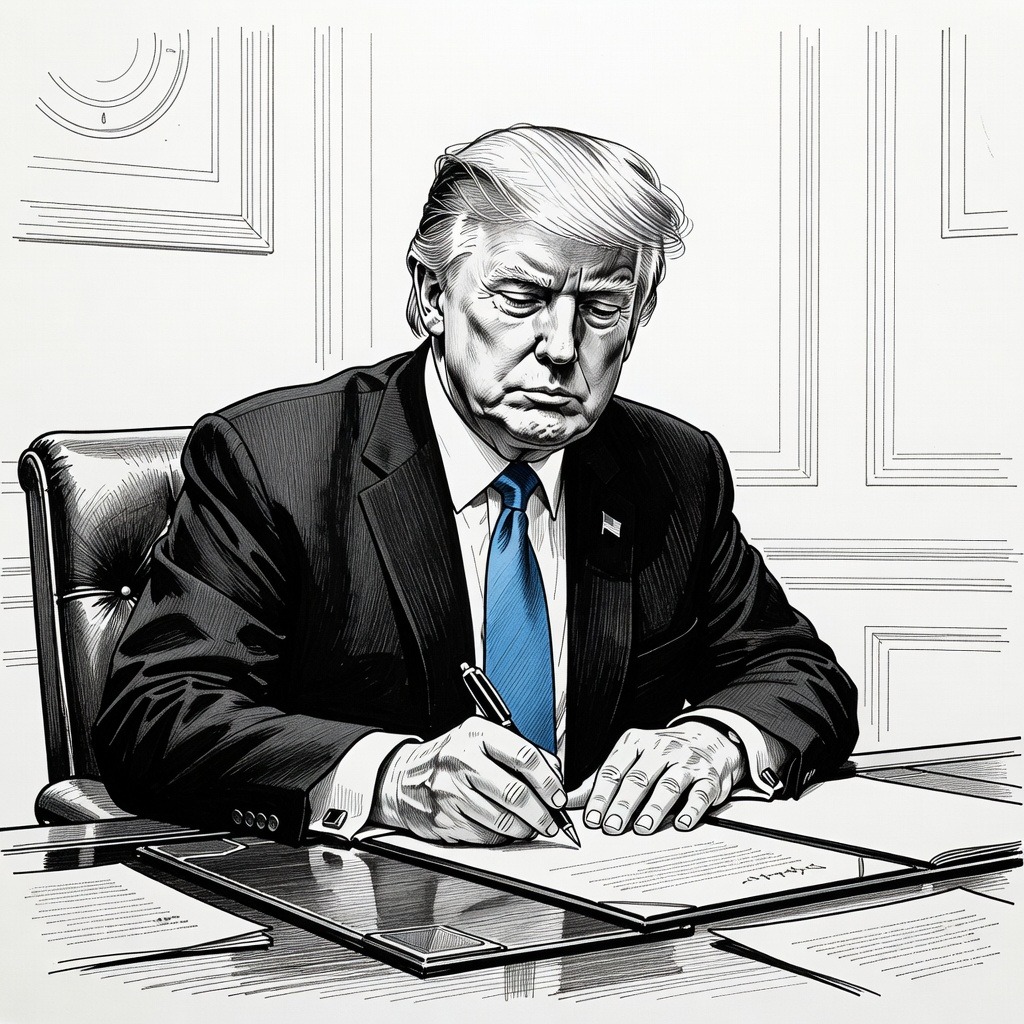
• Regressive Consumer Tax Prioritizes the financial security of working-class households by rejecting trade policies that function as a hidden consumption tax. While the administration frames the new 10% to 12.5% tariffs on 99% of imports as an ethical intervention, the immediate economic reality is that importing companies will pass these tax burdens directly to domestic shoppers. This disproportionately punishes low- and middle-income consumers who rely on affordable imported goods, undermining social equity under the guise of geopolitical leverage.
• Ineffective Ethical Leverage Prioritizes genuine human rights protections and diplomatic cooperation over blunt economic instruments that fail to solve systemic exploitation. Utilizing Section 301 of the Trade Act of 1974 to penalize 41 nations—including Brazil and Japan—with a 12.5% tariff rate is a highly questionable method for enforcing global labor standards. Instead of improving conditions on the ground, these broad levies risk alienating international partners and failing to incentivize actual compliance, serving more as a protectionist screen than a sincere humanitarian strategy.
• Volatile Supply Shock Prioritizes market predictability and shields domestic supply chains from the price-gouging that occurs during abrupt policy transitions. The rapid shift from a temporary 10% global tariff to a tiered Section 301 framework starting Friday creates a highly unstable operating environment for businesses. This policy volatility gives corporations a convenient pretext to raise prices preemptively, squeezing consumer budgets while failing to foster a stable, equitable domestic manufacturing base.
How it may affect me
As a U.S. reader:
• You may experience higher costs on a wide variety of imported goods as businesses pass the new 10% to 12.5% tariff rates directly to consumers.
• You could face immediate price volatility and preemptive price hikes as companies navigate the rapid transition to this new tiered tariff system.
• You will likely see no direct price changes on essential goods like oil, gas, and fertilizer, which are exempted from these duties.
• In the long term, you may see increased employment opportunities and a more secure domestic manufacturing sector as American factories are shielded from foreign competitors using forced labor.