
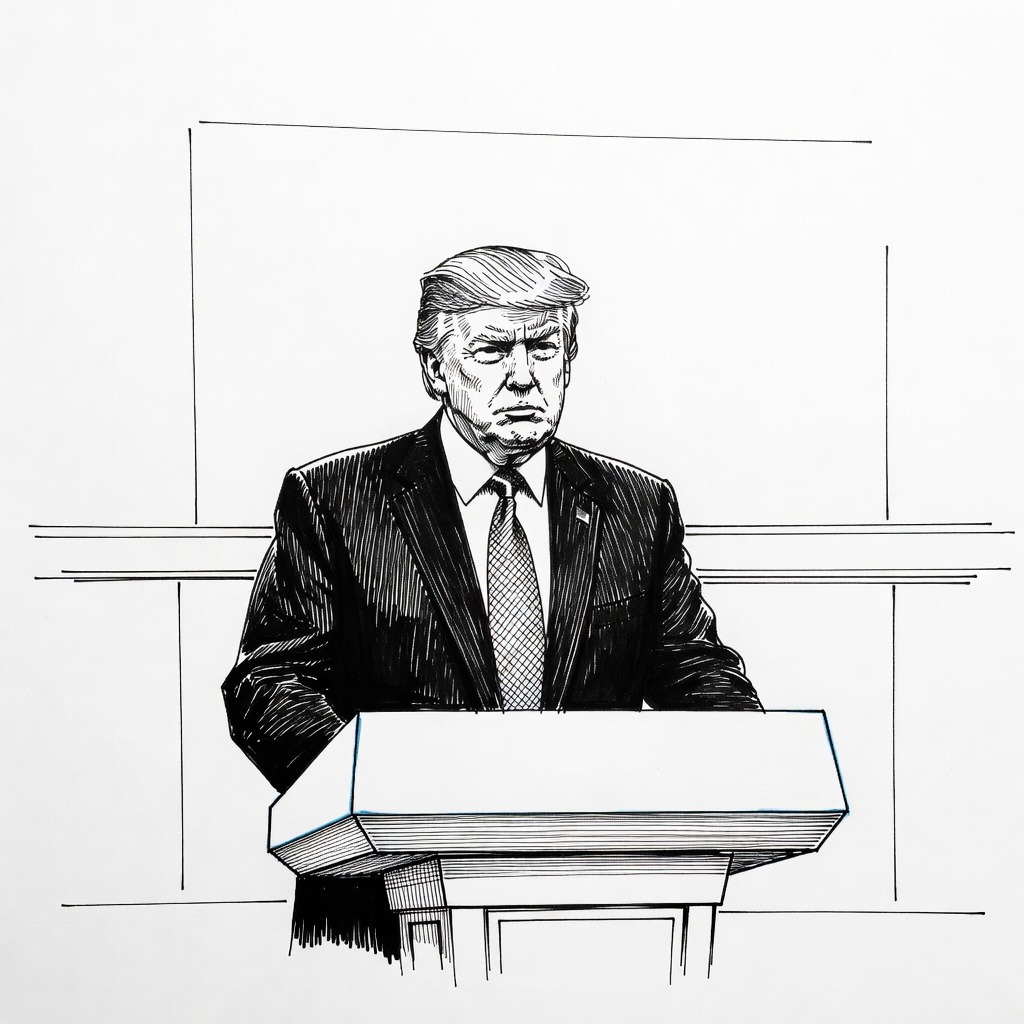
• Reclaiming Constitutional War Powers Constitutional governance demands that the executive branch remain accountable to the legislature, particularly when committing national blood and treasure to foreign conflicts. The House passage of Representative Pramila Jayapal's resolution, backed by a bipartisan coalition including Republicans like Tom Barrett and Thomas Massie, asserts that unilateral executive action undermines democratic oversight. Bypassing Congress to wage war without explicit statutory authorization threatens the foundational balance of power and erodes essential democratic checks.
• De-escalating Humanitarian and Economic Spirals Continuous military engagement in Iran produces severe humanitarian and domestic economic fallout that outweighs any short-term tactical gains. The collapse of the April ceasefire and the subsequent U.S. military casualties demonstrate that persistent military escalation fails to secure lasting peace, instead perpetuating a cycle of violence. Concurrently, the domestic population suffers from rising energy costs and elevated gasoline prices, proving that prolonged foreign conflicts extract a heavy toll on everyday citizens.
• Closing Dangerous Executive Loopholes Allowing the administration to reset the 60-day statutory clock of the War Powers Resolution of 1973 by claiming a temporary ceasefire paused the timeline establishes a perilous precedent. This legal maneuver effectively grants the presidency the power to wage permanent, low-grade warfare without congressional approval by merely structuring brief pauses in hostilities. Left unchecked, this interpretation renders statutory limits toothless, inviting endless foreign interventions and escalating the risk of a broader, unauthorized war.
How it may affect me
As a U.S. reader:
• You may experience continued high or rising domestic gasoline prices and energy costs due to the ongoing military conflict in Iran.
• If you have family members in the military, they remain exposed to potential casualty risks as military operations continue without new legislative limits.
• You will likely see the ongoing debate over war powers and the economic impact of the conflict serve as key topics of discussion leading up to the upcoming midterm elections.
• Your safety could be impacted by either the preservation of executive agility to weaken foreign adversaries or the heightened risk of escalating into a broader, unauthorized war.