
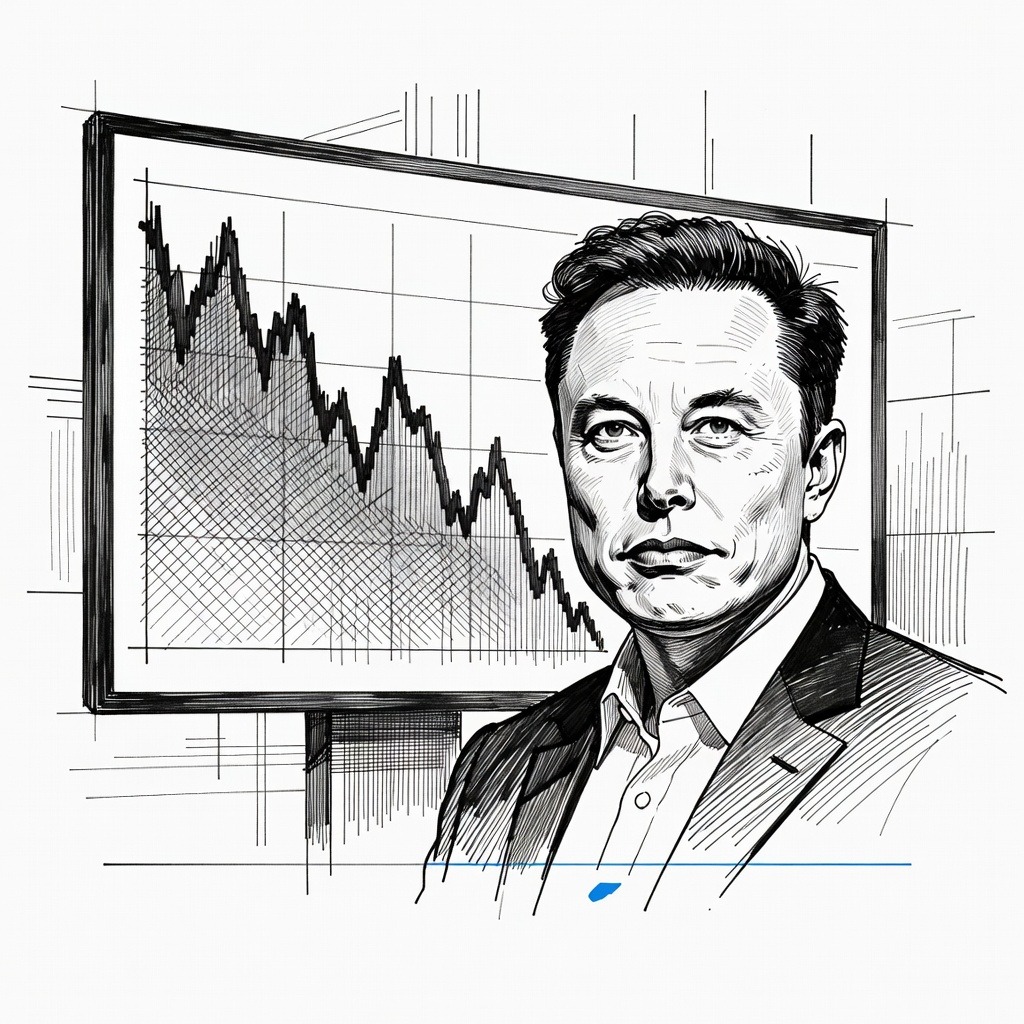
• Bleeding Vital Cash Reserves Prioritizing economic stability and protecting the broader financial ecosystem from corporate overreach requires companies to maintain healthy balance sheets. The massive collapse in Alphabet's free cash flow to negative $5.9 billion and Tesla's slide into a $1.1 billion deficit reveal a reckless diversion of liquid capital into highly speculative artificial intelligence ventures. This aggressive extraction of immediate wealth to fund unproven future products starves core operational security and threatens long-term corporate health, which ultimately compromises labor stability and consumer trust.
• Challenging Technocratic Capital Overreach Challenging the unchecked power of massive tech conglomerates means questioning the necessity of their astronomical, self-serving spending projections. Alphabet raising its 2026 capital expenditure forecast up to $205 billion and Tesla dedicating over $25 billion this year are prime examples of technocratic hubris driving capital allocation. While executives like Sundar Pichai and Elon Musk defend these costs, this rapid capital burning risks inflating a massive technological bubble that prioritizes automation and corporate dominance over equitable, tangible economic utility for everyday users.
• Exposing Speculative Market Vulnerabilities Shielding the public from systemic instability requires market giants to prioritize consistent, transparent fiscal discipline over speculative gambles. The immediate after-hours drops in Alphabet's stock of over 3% and Tesla's of 4%—despite strong revenue performance—demonstrate that the market fears the consequences of sacrificing cash reserves for AI. When the economy's most influential drivers burn billions on unproven infrastructure, they inject unnecessary volatility into the financial system, risking a broader downturn that hurts retail investors and consumers alike.
How it may affect me
As a U.S. reader:
• In the short term, everyday retail investors may experience immediate declines in their investment portfolios due to the sudden drops in Alphabet and Tesla stock prices following their earnings reports.
• In the long term, consumers may see a continued rollout of advanced artificial intelligence features in Google Search, as well as developments in autonomous vehicles and robotics from these companies' massive infrastructure investments.
• In the long term, the diversion of billions of dollars from corporate cash reserves into automation and speculative technology could impact labor stability and future job security within these major economic sectors.
• If these aggressive infrastructure investments fail to yield positive results, the financial strain on these major companies could trigger broader market volatility and economic downturns that affect the financial security of the general public.