
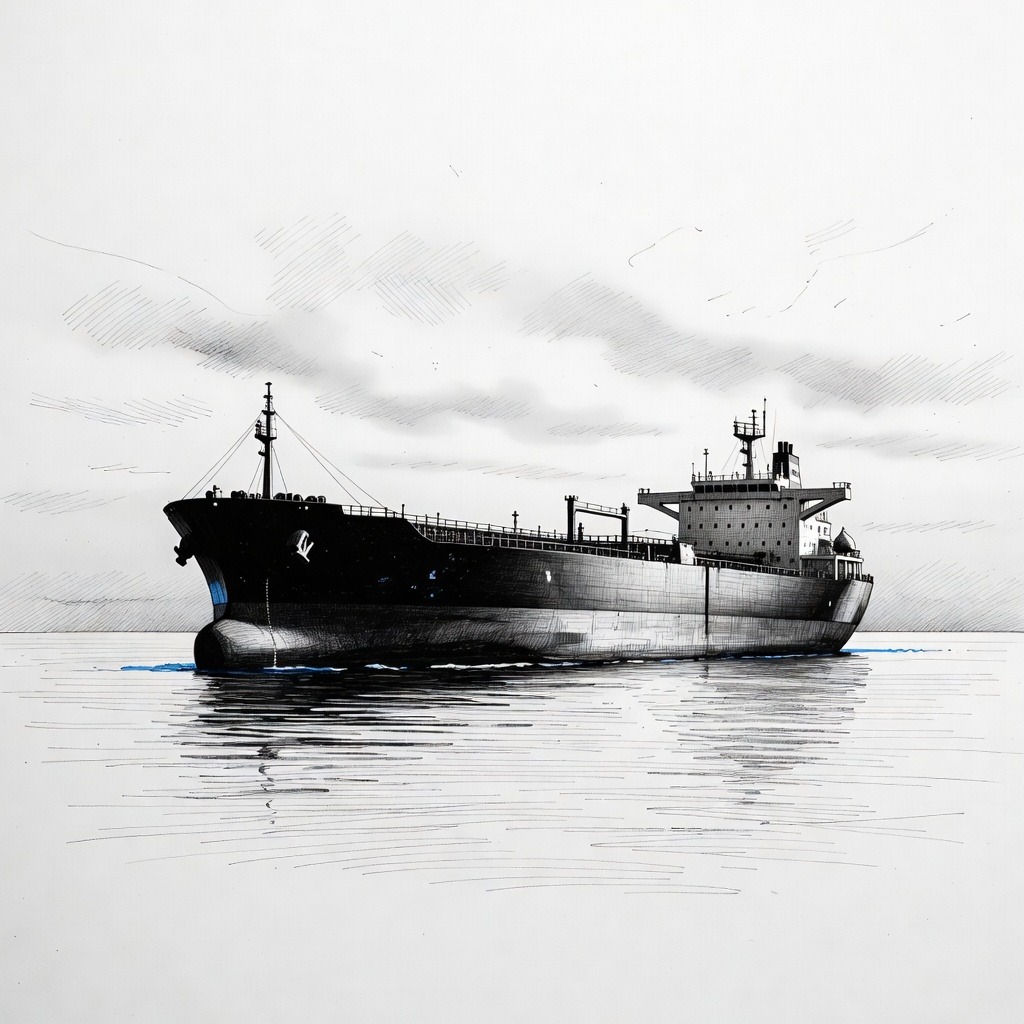
• Disrupting Stability Through Escalation Diplomatic de-escalation must be prioritized over prolonged military intervention, which frequently exacerbates the very instability it claims to resolve. The 11 consecutive nights of airstrikes have failed to secure the Strait of Hormuz, instead triggering a 4% surge in global oil prices to $95 per barrel and causing merchant vessels to flee the waterway despite Central Command's assurances. This demonstrates that aggressive military actions often yield counterproductive economic consequences and increase regional volatility rather than fostering peace.
• Shielding Democratic Budgetary Oversight Executive overreach must be constrained by maintaining strict legislative control over defense spending to prevent open-ended military entanglements. Rejecting the $67 billion supplemental funding request—especially when actual expenses are believed to exceed the stated $37.5 billion cost—is a necessary defense of standard appropriations processes. Bypassing these established democratic channels under the guise of an emergency undermines congressional authority and allows the administration to evade accountability for an ongoing conflict.
• Resisting the Cycle of Uncapped Warfare Military force without a clear diplomatic off-ramp creates a dangerous cycle of escalation that lacks an achievable end-state. Pointing out the administration's lack of a coherent strategy highlights the danger of relying on threats to target civilian infrastructure like power plants and bridges. This punitive approach risks severe humanitarian fallout and permanently derails diplomatic avenues, such as the violated memorandum of understanding, without offering a viable path to long-term stability.
How it may affect me
As a U.S. reader:
• You may experience higher fuel costs in the short term due to a four percent increase in global oil prices, with Brent crude rising to nearly ninety-five dollars per barrel.
• Your taxpayer funds are directly impacted by the high cost of the conflict, which has already reached thirty-seven point five billion dollars, with defense officials requesting an additional sixty-seven billion dollars in supplemental funding.
• You could face potential long-term disruptions to goods and shipping as international merchant vessels avoid the strategic Strait of Hormuz due to security risks.
• You could see the country commit to a more intensive, long-term military engagement if the government acts on warnings to target Iranian infrastructure, such as power plants and bridges.