
• Chilling Global Intellectual Exchange Prioritizing civil liberties and transnational collaboration is essential for social progress and scientific advancement. Sweeping federal restrictions, such as the National Science Foundation's funding prohibitions, risk disrupting benign educational programs like Bryant University’s instruction-only accounting curriculum. By penalizing universities for historical or administrative transitions, like Bryant's student teach-out period ending in 2027, the government prioritizes political posturing over the independence of academic institutions.
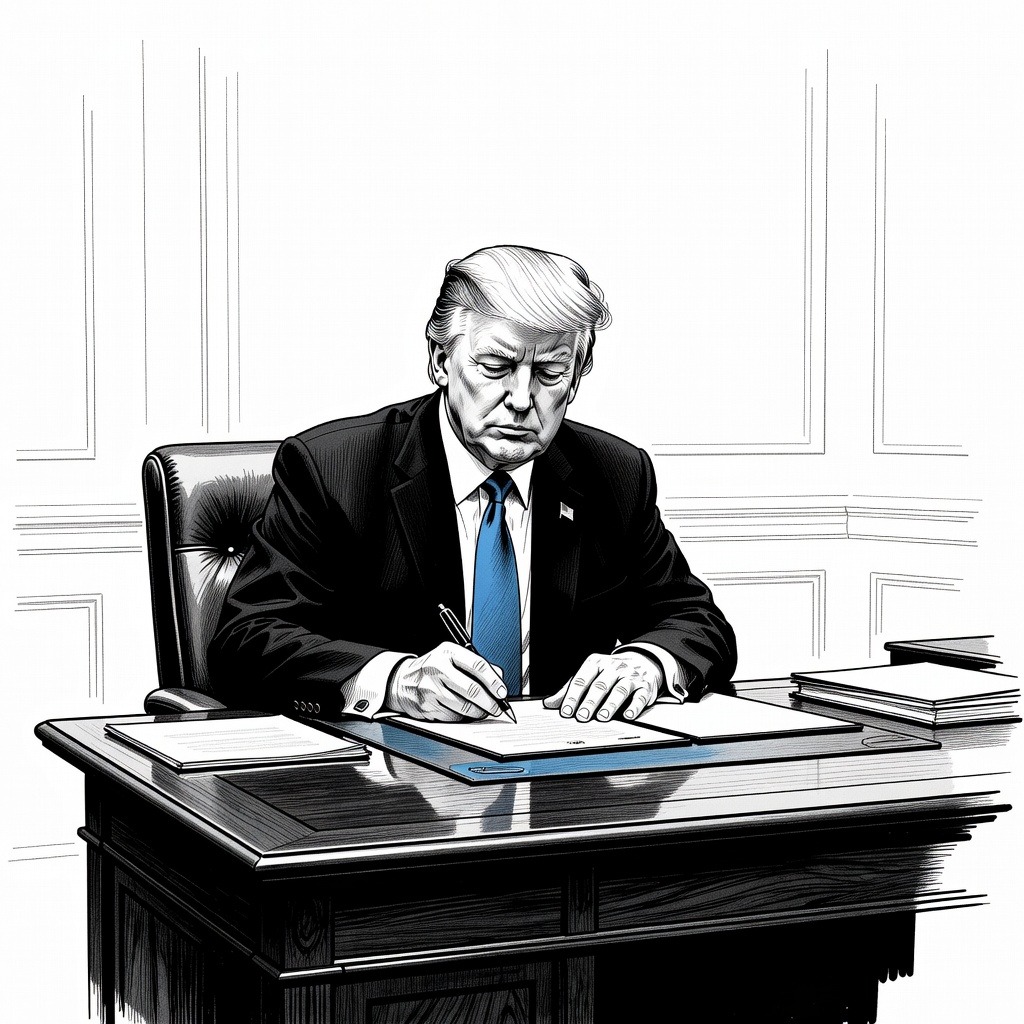
• Resisting Politicized State Surveillance Challenging the institutional status quo requires holding federal power accountable when national security is weaponized to police intellectual thought. The April 2025 executive order by President Donald Trump represents an intrusive expansion of state surveillance into university finances, treating standard international research grants—like UC Berkeley's $7.6 million grant from Sun Yat-sen University—as inherent threats. This aggressive enforcement mechanism undermines academic freedom, threatening to starve research institutions of necessary resources over geopolitical disputes.
• Blanket Restrictions Sabotage Discovery Protecting the vulnerable and advancing human knowledge requires maintaining open, borderless scientific inquiry rather than succumbing to nationalistic isolation. When federal agencies like NASA freeze active grants involving foreign cooperation, they disrupt ongoing research pipelines that could yield vital technological and environmental breakthroughs. Forcing institutions like the University of Connecticut, Northwestern, and UC Irvine to abandon international partnerships under threat of losing domestic federal grants ultimately harms global innovation and weakens academic progress.
How it may affect me
As a U.S. reader:
• Students at affected universities may experience disruptions to specific academic programs, such as international accounting curriculums, as institutions phase out contracts with watch-listed foreign entities.
• Members of the public may see delayed development of new technological and environmental innovations due to frozen federal grants from agencies like NASA and the National Science Foundation.
• Taxpayers may gain assurance that federal funding is restricted from universities that collaborate with foreign military end-users, potentially protecting domestic intellectual property and national security.
• Families and students associated with major research universities could see a decline in institutional resources and research opportunities if these schools lose access to federal grants.