
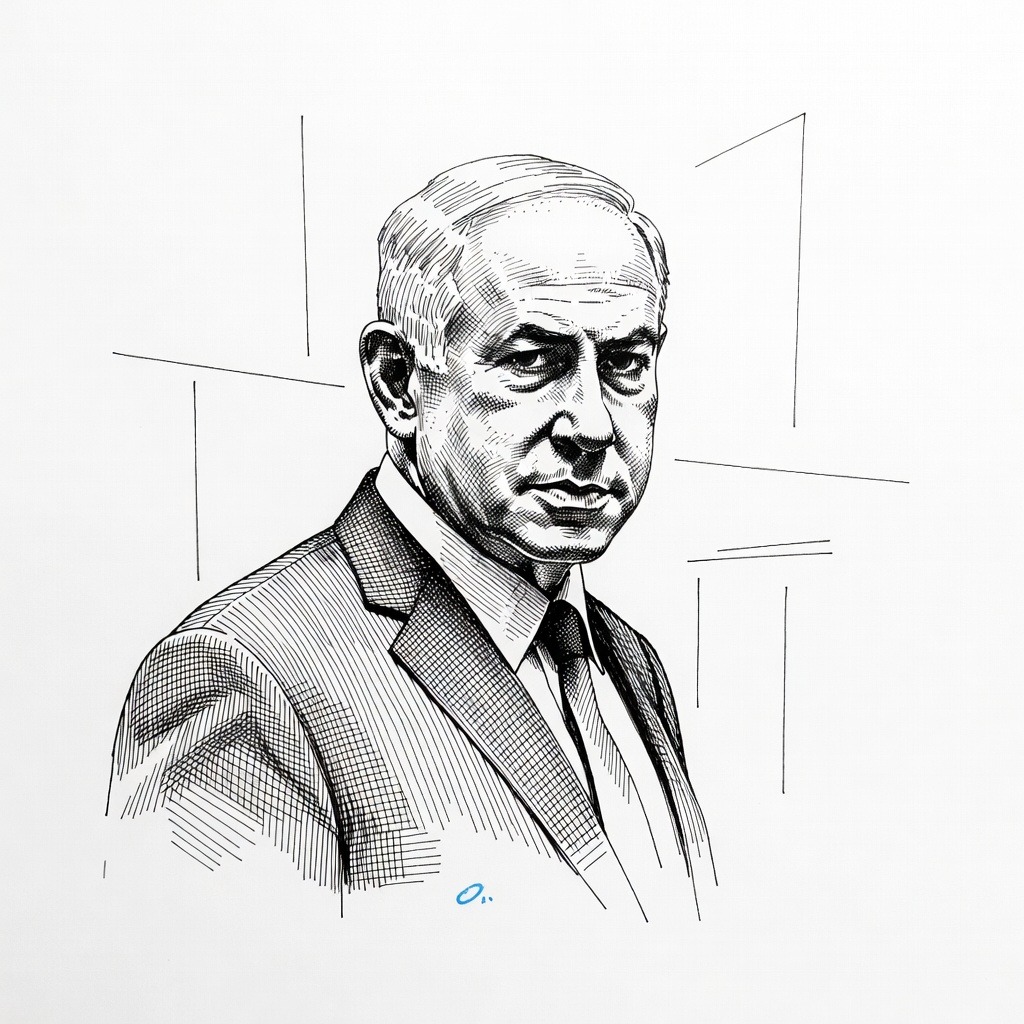
• Shielding Global Humanitarian Norms Universal human rights must transcend national borders and political immunities to protect vulnerable populations from state-sponsored violence. By consulting with the city's Law Department to explore arresting Benjamin Netanyahu based on the November 2024 ICC warrants, Mayor Mamdani's administration champions the principle that international law must be enforced, even at the municipal level. The allegations of war crimes, including using starvation as a warfare tactic and targeting civilians in Gaza, demand that local authorities act as moral agents when federal institutions fail to uphold global justice.
• Challenging Institutional Complacency True political accountability requires leaders to align their domestic equity goals with their foreign policy stances, rejecting selective morality. Mamdani’s willingness to skip the Israel Day Parade and focus on wealth redistribution—such as raising taxes on residents earning over one million dollars—reflects a coherent progressive framework that challenges entrenched power structures both at home and abroad. For this camp, local governance cannot be separated from global ethics; municipal spaces must not serve as safe havens for those accused of egregious human rights violations.
• Resisting the Imperial Executive Allowing national leaders to unilaterally dismiss international institutions risks normalizing lawlessness and eroding the global human rights framework. President Trump’s rejection of the arrest and defense of Netanyahu's military actions as a fight against Iran represents a dangerous realist paradigm that prioritizes geopolitical alliances over human life. If municipalities do not push the boundaries of their legal authority to enforce ICC warrants, international law risks becoming entirely toothless, leaving civilians worldwide vulnerable to unchecked state aggression.
How it may affect me
As a U.S. reader:
• New York City residents earning over one million dollars annually may face tax increases under the mayor's proposed fiscal plan, which critics warn could potentially drive wealth out of the city.
• NYC residents could experience a shift in municipal priorities, as critics argue that pursuing international legal actions distracts local government from addressing pressing domestic and civic issues.
• The public could witness significant domestic legal and jurisdictional conflicts between local municipal authorities and the federal government over who has the power to conduct foreign policy and enforce international warrants.
• Local community cohesion in New York City may be affected by political polarization resulting from city leadership skipping major cultural events, such as the annual Israel Day Parade, or pursuing high-profile international arrests.