
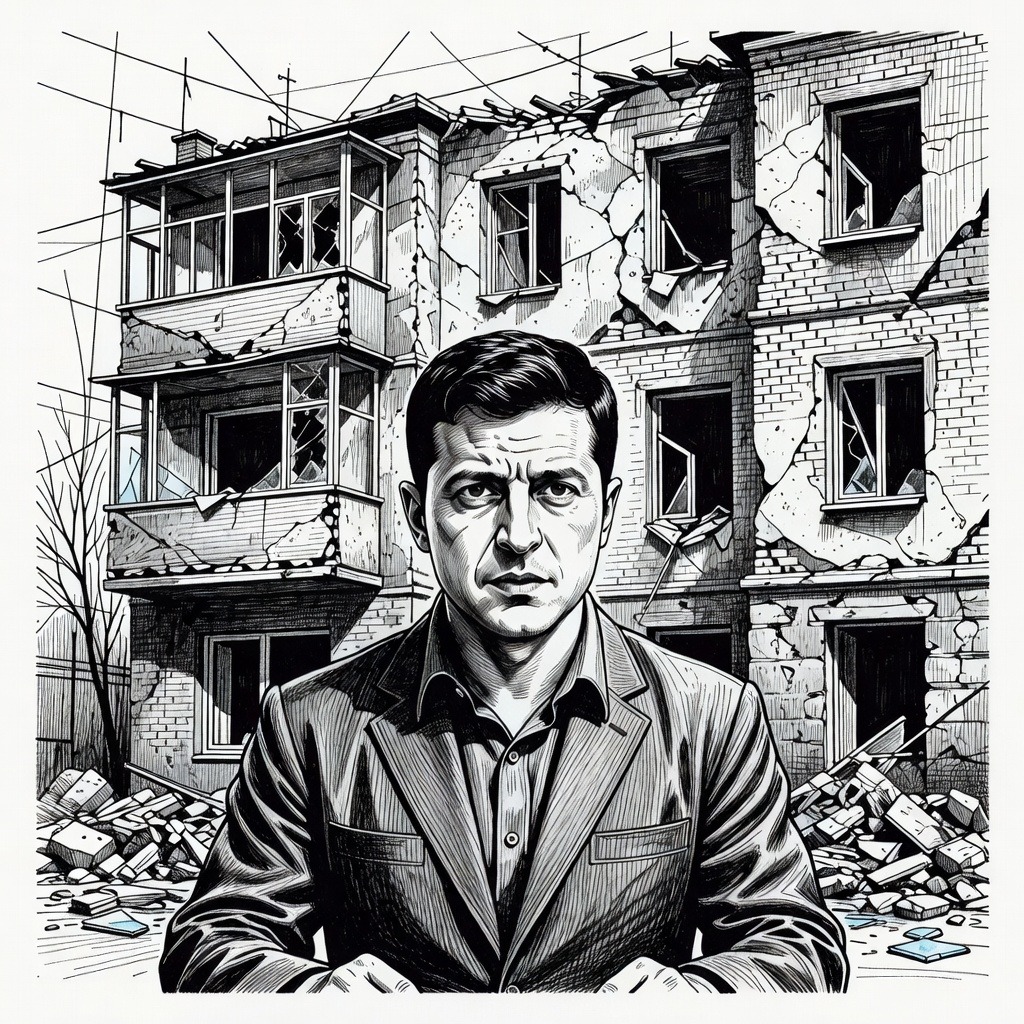
• Exposing the Humanitarian Toll The paramount priority is the protection of civilian lives and upholding international law against devastating aerial bombardments. The death of one individual and injury of 16 others across five Kyiv districts highlights the catastrophic humanitarian cost of escalating military conflict. From this perspective, any geopolitical or military justification for these strikes is overshadowed by the immediate harm inflicted on civilian residential areas, dormitories, and homes.
• Exhausting the Defensive Shield Relying on sophisticated military hardware creates a false sense of security while ignoring the fundamental unsustainability of armed conflict. Despite the interception of 108 drones and 18 missiles, the documented shortage of Patriot air defense interceptors demonstrates that defensive capabilities are rapidly depleting. This camp argues that pouring resources into military defenses without pursuing diplomatic de-escalation simply delays inevitable tragedy while keeping populations in continuous peril.
• Challenging Unfunded Security Promises Vague political gestures, such as proposing to license the domestic production of Patriot interceptors without defined timelines, offer no real-time protection to vulnerable populations. This perspective views open-ended military-industrial proposals as a distraction from the immediate need to halt hostilities and protect human lives. Without concrete, immediate peace-building initiatives, speculative defense partnerships merely prolong the conflict and expose civilians to ongoing aerial assaults.
How it may affect me
As a U.S. reader:
• In the short term, the documented shortage of Patriot air defense interceptors in Ukraine may prompt domestic public debate regarding the supply, allocation, and availability of U.S. military technology.
• In the long term, the U.S. public may see shifts in defense-industrial and export policies if the administration moves forward with plans to license the production of Patriot interceptors to Ukraine.
• U.S. citizens may observe changes in international relations and security commitments depending on whether U.S. foreign policy shifts toward diplomatic de-escalation or focuses on building long-term foreign defense autonomy through industrial partnerships.