
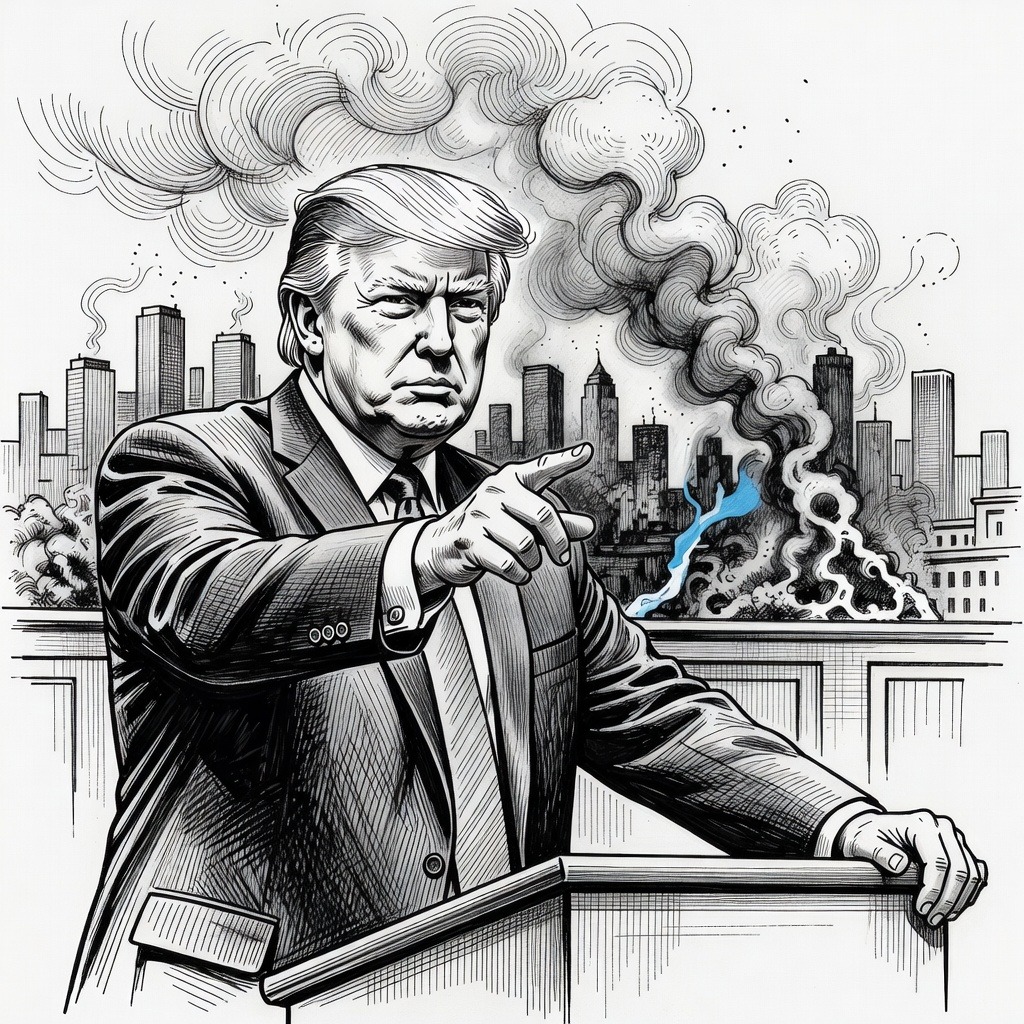
• Confronting the Climate Accelerator Prioritizing ecological reality over political blame is essential for addressing modern transboundary crises. The Canadian Senate's June report highlights that climate change is accelerating fire behavior beyond existing containment capacities, rendering localized management strategies insufficient on their own. By focusing on root systemic drivers rather than political scapegoating, this perspective argues that ignoring ecological shifts prevents the development of sustainable, long-term regional adaptation strategies.
• Rebuilding Degraded Public Infrastructure Protecting public welfare requires robust state capacity and targeted investment in critical public goods. The current crisis—exposing a shortage of wildfire management expertise and an aging Canadian fleet of at least 20 aircraft needing immediate replacement—shows the failure of proactive state preparedness. This viewpoint interprets these resource deficits as a systemic failure to fund public safety infrastructure, which is further exacerbated by the physical reality of managing remote, roadless northern forests.
• Shielding Sovereignty from Coercion Safeguarding international cooperation and state sovereignty is vital to resolving shared ecological challenges. Using threats of economic tariffs to penalize a neighbor over environmental disasters represents a dangerous politicization of natural crises that undermines collaborative governance. This camp fears that such nationalistic economic pressure will erode diplomatic goodwill, violate sovereign autonomy, and distract from genuine bilateral efforts to address transboundary pollution.
How it may affect me
As a U.S. reader:
• You may experience immediate air quality issues, reduced visibility, and an orange haze in your region as wildfire smoke drifts from Canada into parts of the United States.
• You could face increased costs on imported goods from Canada if the U.S. government implements threatened tariffs to account for the economic impact of the smoke.
• You may experience prolonged or recurring smoke hazards in the long term if Canada cannot resolve its shortages in wildfire management expertise, inaccessible remote forests, and aging firefighting aircraft fleet.
• You might see a decline in cooperative bilateral efforts to manage transboundary pollution if trade disputes and threats of economic leverage strain diplomatic relations between the two countries.