
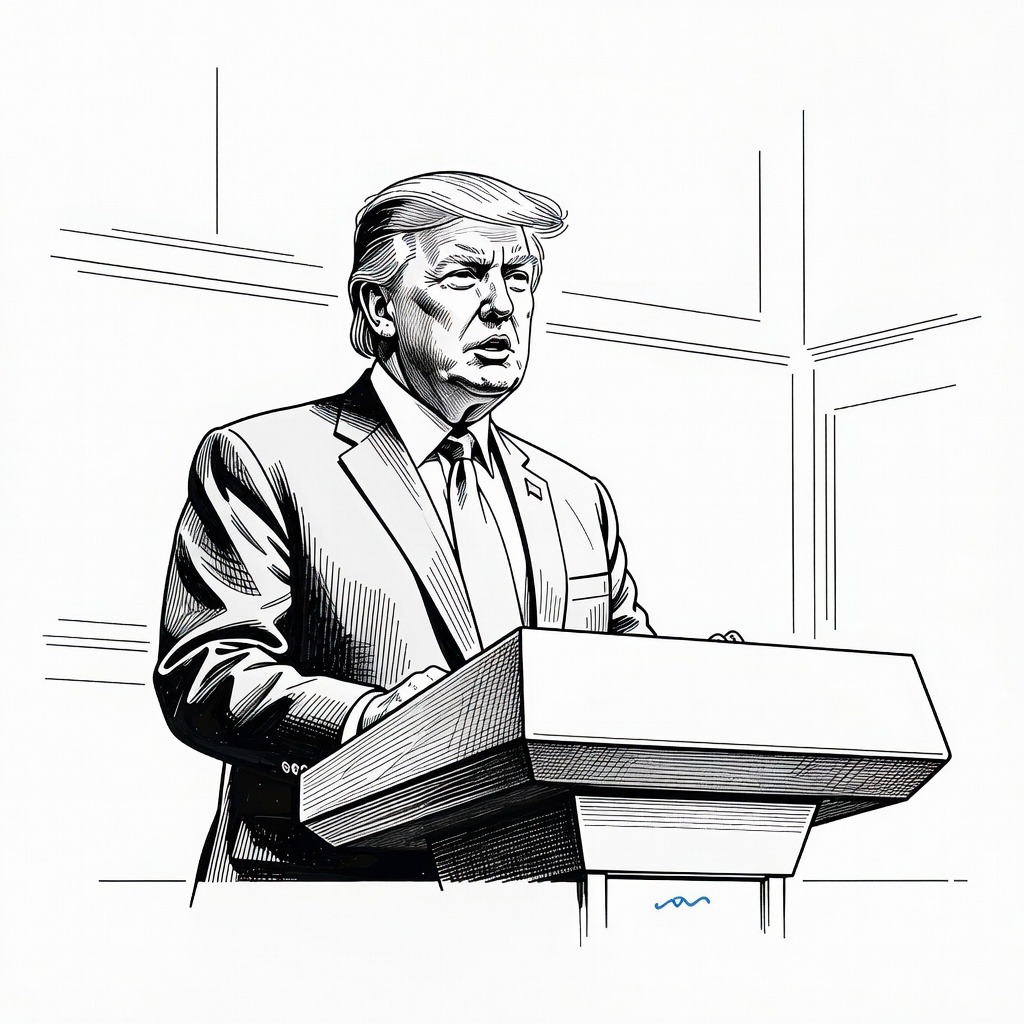
• Shield Democratic Institutional Trust Democratic norms and electoral legitimacy must be protected from rhetorical subversion to ensure peaceful transitions of power. By focusing a primetime address on the 2020 election using newly received intelligence, the administration risks weaponizing state intelligence apparatuses to litigate past defeats rather than serving the public interest. Forcing a rehashing of six-year-old grievances undermines voter confidence in the foundational mechanics of the democratic process.
• Expose Strategic Political Distraction Political accountability requires leaders to address pressing, contemporary crises rather than diverting public attention toward historical self-interest ahead of the 2026 midterm elections. The administration's focus on past election integrity serves as a tactical smoke screen to obscure urgent, unresolved challenges like the rising cost of living and escalating conflicts in the Middle East. True governance priorities must center on material citizen welfare and active global diplomacy rather than partisan grievances.
• Defend Independent Intelligence Oversight The integrity of national security appointments must remain entirely insulated from partisan loyalty tests regarding disputed election narratives. Conditioning the confirmation of Director of National Intelligence nominee Jay Clayton on his alignment with the administration's election theories compromises the objective, non-partisan nature of intelligence gathering. Allowing political litmus tests to dictate the leadership of security agencies threatens the objective truth-seeking mission required to protect the nation.
How it may affect me
As a U.S. reader:
• You may experience a short-term increase in political debate and media coverage surrounding the security and legitimacy of U.S. election systems ahead of the 2026 midterm elections.
• You may see delayed legislative action or reduced federal focus on pressing national issues, such as the rising cost of living and Middle East conflicts, as political leaders focus on past election disputes.
• You could observe long-term delays in the confirmation of key national security leadership, specifically Director of National Intelligence nominee Jay Clayton, which may affect the oversight of federal intelligence agencies.