
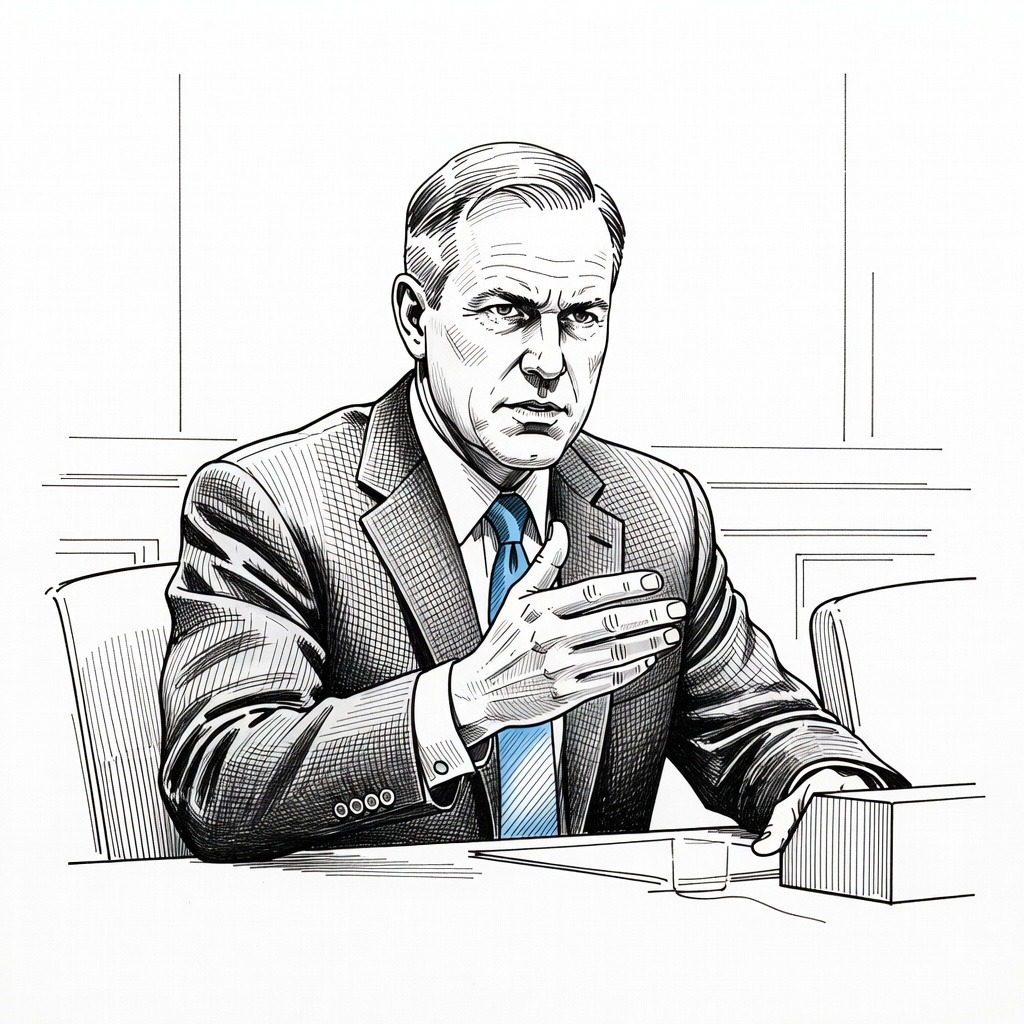
• Shield The Survivors Value: protecting vulnerable people from institutional harm. Tillis’s refusal to advance Todd Blanche unless he meets Epstein survivors is read as a necessary accountability checkpoint, not a procedural delay. Dani Bensky’s testimony that her personal information was made public after names were submitted for redaction turns the issue from bureaucratic error into survivor re-traumatization. A direct meeting is seen as the minimum signal that the Justice Department’s failures have human consequences.
• Test The Nominee Value: government accountability before power is granted. Blanche’s apology for redaction failures matters, but his absence on Thursday and the still-unheld survivor meeting make the apology look incomplete from this lens. Saying Justice Department staff could meet with survivors, or that contact must go through lawyers, may be legally cautious, but it risks appearing institution-first rather than survivor-first. The confirmation vote becomes leverage to force responsiveness before authority is expanded.
• Expose Power Shields Value: civil liberties and resistance to politicized protection for powerful figures. Questions about the $1.8 billion anti-weaponization fund and protections tied to audits or investigations raise alarms because they suggest legal settlements can create privileged insulation from scrutiny. Blanche’s statement that the fund no longer exists does not fully resolve concerns if Tillis and Cornyn believe parts could be revived. The long-term fear is a Justice Department that apologizes for harm to the vulnerable while preserving escape routes for the powerful.
How it may affect me
As a U.S. reader:
• The attorney general nomination may be delayed at least two weeks if Todd Blanche does not meet with Epstein survivors before the Senate Judiciary Committee vote.
• Survivors and others whose information appears in sensitive Justice Department files may see renewed scrutiny of how the department handles redactions and protects personal data.
• The confirmation process could affect who leads the Justice Department and how that person addresses past disclosure mistakes involving victims.
• Questions about the Trump-IRS settlement may lead senators to seek clearer limits on whether legal protections tied to audits or investigations can be revived in the future.