
Federal Commission Reviews Proposed Security Fencing for Lafayette Park and New Visitor Screening Center

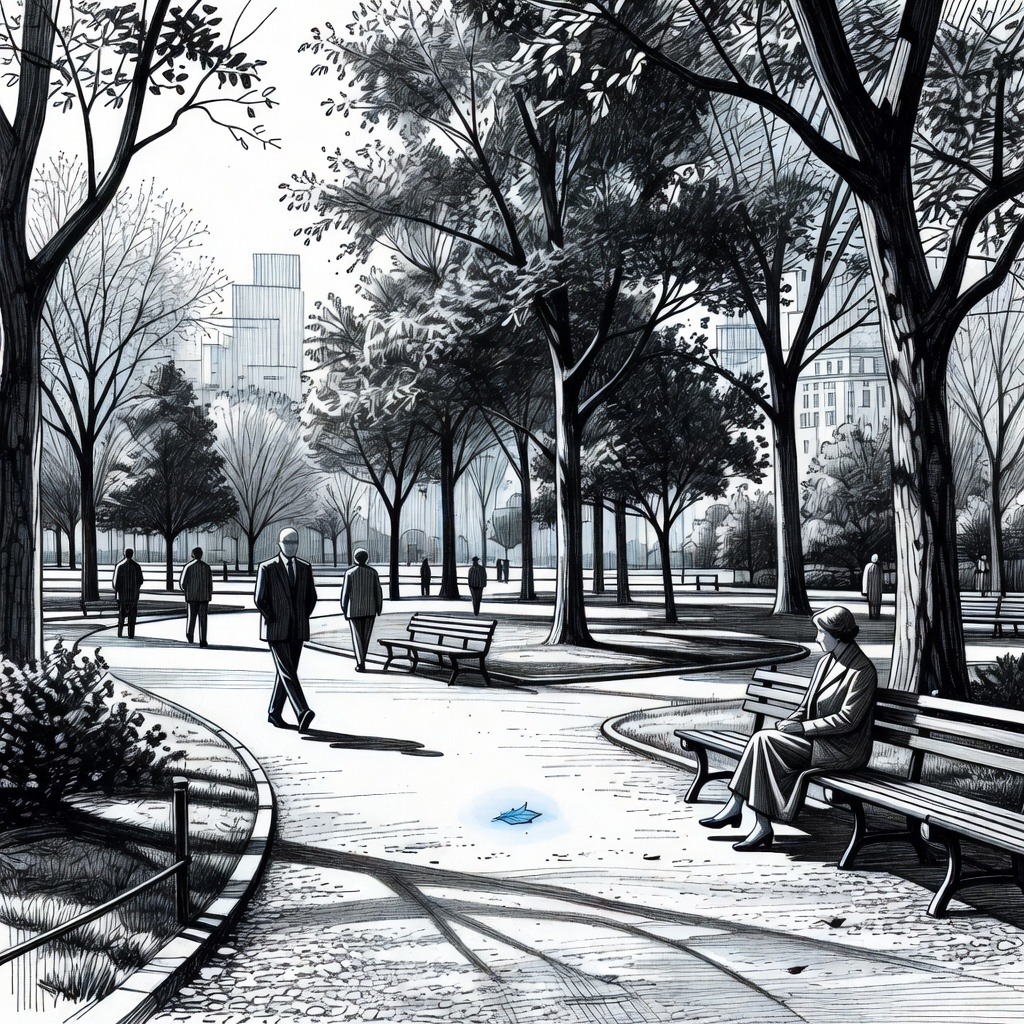
Illustration for: Federal Commission Reviews Proposed Security Fencing for Lafayette Park and New Visitor Screening Center
AI-generated illustration. Visual interpretation does not represent real individuals or scenes.

THE BARE STORY

The U.S. Commission of Fine Arts is scheduled to review proposal plans to implement permanent security upgrades around the White House. The proposals, submitted by the Trump administration, include the construction of a permanent fence around the eight-acre Lafayette Park and a redesigned underground visitor screening facility beneath Sherman Park.

According to administration officials, these permanent projects are designed to replace temporary security measures currently in use, such as screening tents and bicycle rack barriers. The proposals have received backing from the Secret Service, the Executive Office of the President, the Interior Department, and the National Park Service. The Secret Service anticipates that construction on the Lafayette Park fence could begin next year, marking the first permanent enclosure around the park since the 19th century.

The 79-page proposal for Lafayette Park outlines a fence with gates at the north and south entrances to regulate public access during times deemed necessary by law enforcement. The report states the project aims to enhance long-term safety while maintaining public access and preserving the park's identity. Options in the plan address whether to include or exclude four corner monuments, noting that excluding them could leave them vulnerable to vandalism.

Additionally, the commission is evaluating a revised design for a 33,000-square-foot underground screening facility located beneath Sherman Park. This facility would process staff, contractors, public tour participants, and event guests. Under the revised plan, which shifts the entrance to the western edge of the park to minimize visual impacts, visitors would pass through an above-ground ID check before descending to a lower-level security checkpoint. Agencies aim to begin construction on this facility in August, with a target completion date of July 2028.

Same Facts. Different Perspectives.

Two AI models. Two viewpoints. One factual foundation.

• Securing Vital State Infrastructure Protecting the core institutions of government is a foundational duty that requires proactive, robust physical defense measures to deter modern threats. Replacing stopgap measures like temporary screening tents and bicycle racks with permanent, engineered security upgrades is essential for the long-term protection of the White House complex. Ensuring the continuity of government operations is the primary priority, which directly justifies the construction of fortified, permanent barriers backed by the Secret Service.

• Optimizing Systemic Operational Efficiency Modernizing security screening processes reduces vulnerabilities while maintaining the orderly flow of authorized personnel and visitors. The proposed 33,000-square-foot underground screening facility beneath Sherman Park creates a controlled, high-capacity checkpoint that minimizes visual clutter above ground. By funneling staff, contractors, and tour groups through a streamlined, multi-level verification system, the state maximizes operational efficiency without compromising the aesthetic landscape of adjacent parks.

• Mitigating High-Value Asset Vulnerabilities Failing to secure symbolic landmarks and high-profile government perimeters invites vandalism and coordinated disruptions that undermine state authority. Leaving historic corner monuments outside the proposed fencing perimeter exposes valuable national heritage to destruction during civil unrest. Implementing permanent gates and controlled access points provides law enforcement with the necessary tools to rapidly neutralize security breaches and maintain public order before threats escalate.

How it may affect me

As a U.S. reader:

• If you visit Washington, D.C., you may experience regulated public access to Lafayette Park, as the proposed permanent fence will feature gates that law enforcement can close during times they deem necessary.

• If you participate in public tours, attend events, or work as a contractor or staff member at the White House, you will eventually be processed through a new 33,000-square-foot underground screening facility beneath Sherman Park, which is scheduled for completion by July 2028.

• You will see a physical shift in the aesthetic and accessibility of the nation's capital, as long-term, permanent barriers and gates replace temporary measures like bicycle racks and screening tents.

• Depending on the final plan approved by the commission, you may find that four historic corner monuments are either protected inside the new fenced perimeter or left outside, potentially exposing them to vandalism.

Read the story at

Note: All TheBareNews content is AI-generated. For additional context, reporting, and updates, you are invited to explore the news outlets linked above.