
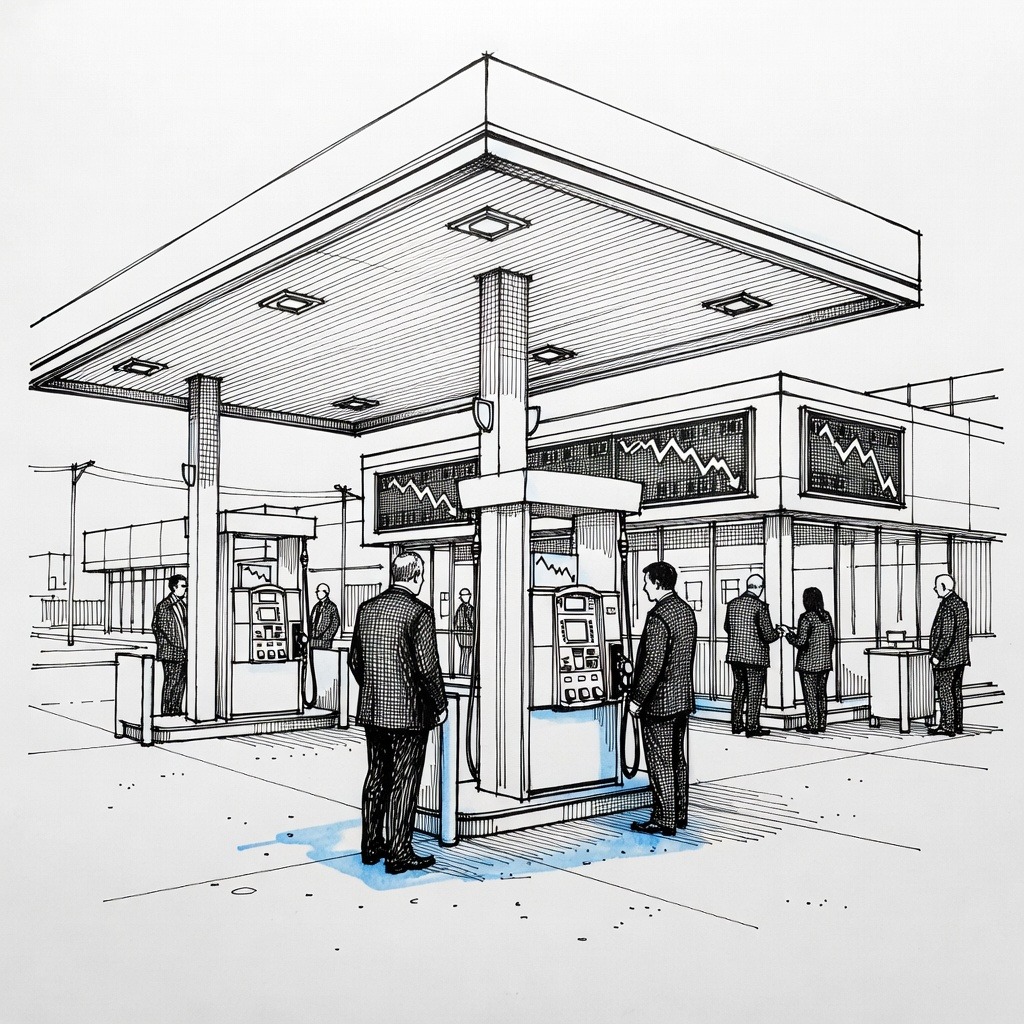
• Protect Household Purchasing Power Reducing the cost burden on everyday citizens is the primary measure of economic health, making the June inflation drop to 3.5% a vital relief for working families. Because lower-income households spend a disproportionate share of their income on basic necessities, any deceleration in prices—especially the 0.4% monthly decline—directly prevents further erosion of real wages. However, because core necessities like food and housing continue to rise, the systemic threat of affordability remains unresolved for vulnerable populations.
• Expose Volatile Energy Exploitation Relying on unpredictable global oil markets to drive down domestic inflation exposes the fragility of a consumer economy tied to fossil fuels. The drop in oil prices to $73 per barrel was merely a temporary byproduct of a brief geopolitical ceasefire, proving that working-class financial security is currently hostage to international conflict. True economic stability cannot be achieved until systemic reforms insulate consumers from these highly volatile global commodity swings.
• Prioritize Labor Over Capital Easing pressure on the Federal Reserve to raise interest rates protects job growth and prevents retaliatory corporate cost-cutting that hurts workers. When interest rates remain stable, working-class families avoid higher borrowing costs on credit and mortgages, shielding them from institutional extraction. A roaring stock market is secondary to ensuring that the labor market remains strong and that corporations cannot use high borrowing costs as an excuse to depress wages.
How it may affect me
As a U.S. reader:
• You may experience immediate, short-term relief on your household budget due to a 0.4 percent monthly decrease in consumer prices driven by lower energy costs, though ongoing increases in food and housing prices continue to strain affordability.
• Your borrowing costs for mortgages and credit cards are less likely to rise in the near term because the cooler inflation report has eased pressure on the Federal Reserve to increase interest rates.
• You face the risk of renewed increases in household energy and fuel costs in the near future because global oil prices have already rebounded to 86 dollars per barrel due to renewed hostilities between the United States and Iran.
• If you are employed in or invest in the technology sector, you may experience near-term volatility and shifting corporate spending, as evidenced by major stock declines for companies like IBM, Apple, and Arm Holdings.