
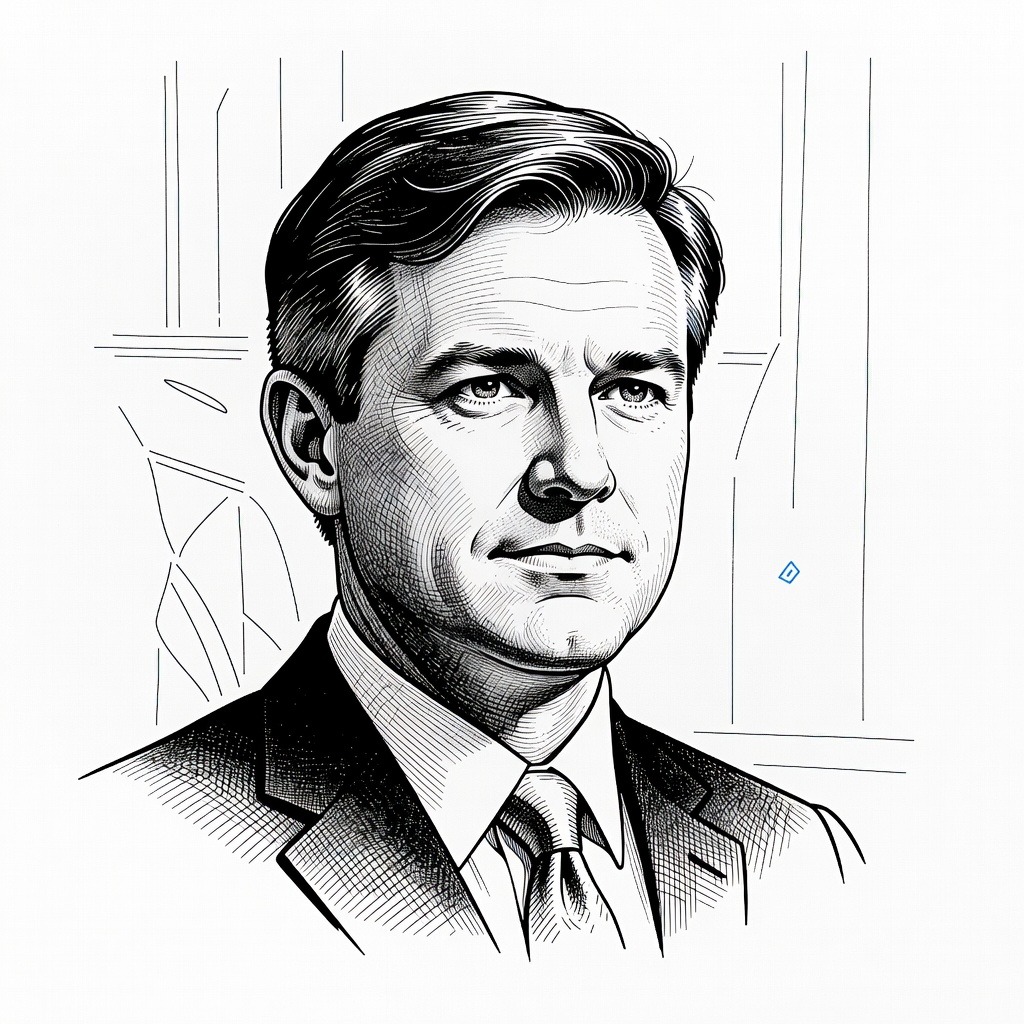
Illustration for: Congress Faces Tight Schedule and Legislative Gridlock Following Death of Senator Lindsey Graham
AI-generated illustration. Visual interpretation does not represent real individuals or scenes.

Congress Faces Tight Schedule and Legislative Gridlock Following Death of Senator Lindsey Graham

2026-07-13

The BareStory

On Monday, July 13, 2026, Congress returned to Washington to face a packed legislative schedule ahead of the August recess and the upcoming midterm elections. The session is heavily marked by the sudden death of 71-year-old Republican Senator Lindsey Graham over the weekend. Graham's passing has narrowed the Republican party's slim Senate majority and left lawmakers mourning a key White House liaison.

House Speaker Mike Johnson is currently working to resolve a floor blockade led by Republican hardliners, including Representative Anna Paulina Luna. These lawmakers are demanding that the Senate pass the SAVE America Act, a voting regulations bill supported by President Donald Trump. To pressure the Senate, hardliners want the elections bill attached to upcoming floor legislation. House leaders are considering attaching it to the fiscal 2027 State Department and foreign operations funding bill, alongside potentially calling up a bill to make daylight saving time permanent to appease Florida lawmakers.

In the Senate, legislative progress faces further complications. Senate Majority Leader John Thune and Senator Susan Collins have expressed skepticism regarding a proposed third budget reconciliation process to pass defense funding and voting regulations, citing the narrow Senate majority and the prolonged health-related absence of Senator Mitch McConnell. Additionally, Democrats, including Senate Minority Leader Chuck Schumer and Senator Brian Schatz, are opposing the National Defense Authorization Act over its budget topline and the ongoing war with Iran.

Amid the gridlock, bipartisan lawmakers are pushing to advance a long-stalled Russia sanctions bill as a tribute to Graham's foreign policy work. Prior to his death, Graham had announced an agreement with the Trump administration on an updated package to apply tariffs and sanctions on nations conducting business with Russia. Senators, including Democrat Jeanne Shaheen, are now urging congressional leadership to pass the legislation.

Left Perspective

  • De-escalate Military Spending: Prioritizing diplomatic engagement and humanitarian restraint over militarism is essential to preventing devastating global conflicts. In this view, Democrats' opposition to the National Defense Authorization Act (NDAA) is a necessary stand against an inflated defense budget that fuels the ongoing war with Iran. True security is built on fiscal responsibility at home and de-escalation abroad, rather than rubber-stamping endless defense spending.
  • Resist Electoral Restraints: Protecting civil liberties and ensuring broad voter access are foundational to a healthy, representative democracy. The demands by House hardliners to attach the SAVE America Act to essential funding bills are seen as an attempt to ram through restrictive voting regulations under the guise of security. This faction views such tactics as an abuse of the legislative process that risks disenfranchising voters and stalling vital government operations.
  • Targeted Diplomatic Sanctions: International law and targeted economic pressure are the proper tools to counter global aggression without resorting to military force. Advancing the long-stalled Russia sanctions bill—honoring the late Senator Lindsey Graham's foreign policy efforts—demonstrates that accountability can be achieved through bipartisan diplomacy. This approach penalizes aggressive regimes while avoiding direct military confrontation or broader humanitarian harm.

Right Perspective

  • Deterrence Through Strength: Maintaining a robust national defense and projecting decisive power are the only reliable means to secure peace and deter foreign adversaries. Passages like the NDAA and defense funding are critical national security imperatives, especially during active global friction such as the war with Iran. Reluctance or delay in funding the military is viewed as a dangerous signal of weakness that invites further aggression from global rivals.
  • Secure Election Integrity: Preserving the rule of law and public trust in democratic institutions requires robust, standardized voting safeguards. Forcing a vote on the SAVE America Act is a necessary measure to ensure sovereign election security, justifying the high-pressure legislative tactics used by House reformers. Securing the nation's democratic processes must take precedence over routine legislative business and bureaucratic convenience.
  • Maintain Institutional Continuity: Preserving established governing norms and Senate stability is vital during times of transition and razor-thin majorities. The skepticism expressed by Senate leadership regarding a complex third budget reconciliation process reflects a commitment to institutional order and cautious governance, particularly given the absence of veteran leaders. Protecting the integrity of Senate procedures ensures the legislative branch remains stable and functional during national crises.

How it may affect me

As a U.S. reader:

• You may experience changes in how you vote or register to vote if House lawmakers succeed in passing the SAVE America Act, which seeks to implement new federal voting regulations and safeguards.

• You could see a permanent shift in how you experience seasonal time changes if House leaders advance a pending bill to make daylight saving time permanent.

• You could face broader economic impacts, such as potential price changes or market shifts, if Congress passes the bipartisan Russia sanctions bill to apply new tariffs and economic sanctions on nations doing business with Russia.

• You may see shifts in national security, military operations, or foreign policy outcomes depending on whether Congress resolves its gridlock to pass defense funding and the National Defense Authorization Act amidst the ongoing war with Iran.

Read the story at