
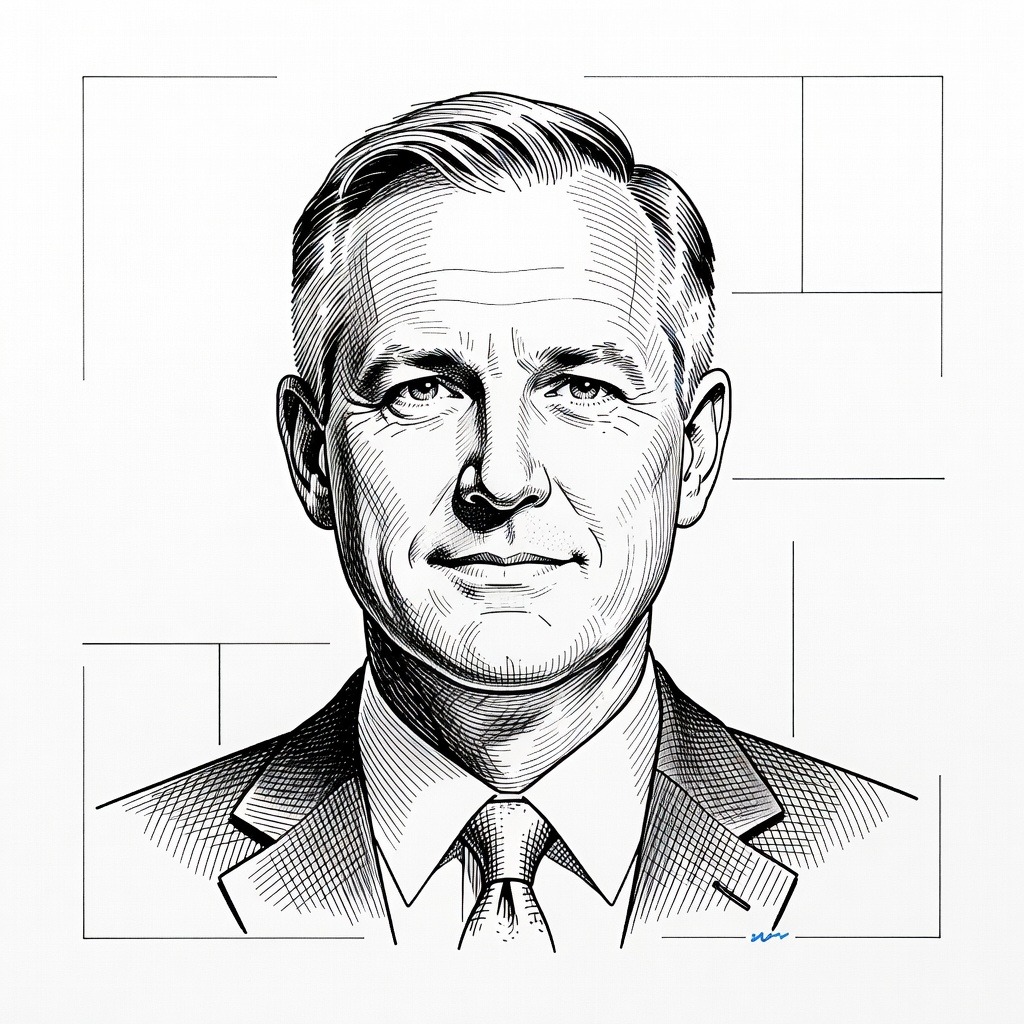
• Shielding Vulnerable Working Families The primary mandate of economic policy must be protecting the purchasing power of everyday consumers from systemic shocks. Governor Waller’s caution against rapid rate hikes acknowledges that aggressive tightening disproportionately harms working-class citizens by driving up borrowing costs for housing and credit. While inflation remains above the 2% target, overcorrecting with sudden rate increases risks triggering an artificial recession that destroys jobs and compounds the financial strain already felt by low- and middle-income families.
• Exposing Corporate-Driven Cost Shocks Current inflationary pressures are driven by external supply-side disruptions and geopolitical posturing rather than an overheated domestic labor market. The 5% spike in oil prices over $75 a barrel, triggered by the administration’s announced blockade of Iranian ports and a 20% cargo toll, represents an artificial energy tax on consumers. Raising interest rates cannot drill more oil or clear shipping lanes; instead, using monetary tightening to solve geopolitical supply shocks merely punishes domestic consumers for corporate and political volatility.
• Preventing Policy-Induced Economic Harm Slowing annual headline inflation from 4.2% in May to an anticipated 3.8% in June demonstrates that existing measures are gradually working. Demanding "several months" of pristine core data before adjusting policy is a rigid approach that ignores the lag time of monetary policy. The Federal Reserve risks repeating its historical policy errors by overcorrecting in the opposite direction, needlessly suppressing economic growth and wage gains for working class citizens when the trajectory is already moving downward.
How it may affect me
As a U.S. reader:
• In the short term, you will likely face higher costs at the gas pump and for goods due to a five percent spike in U.S. oil prices exceeding seventy-five dollars per barrel following the announcement of a blockade of Iranian ports and a cargo toll.
• If the Federal Reserve decides to raise interest rates in July, you could see a rise in borrowing costs for credit and housing, which may place additional financial strain on low- and middle-income families.
• You face a higher likelihood of an interest rate hike at the upcoming July Fed meeting as market probability expectations have risen to nearly forty-seven percent, which may suppress short-term economic growth and wage gains.
• In the long term, you may experience either sustained price stability if the Federal Reserve successfully manages inflation with data-driven rate increases, or a potential artificial recession and job losses if the central bank overcorrects by raising rates too quickly.