
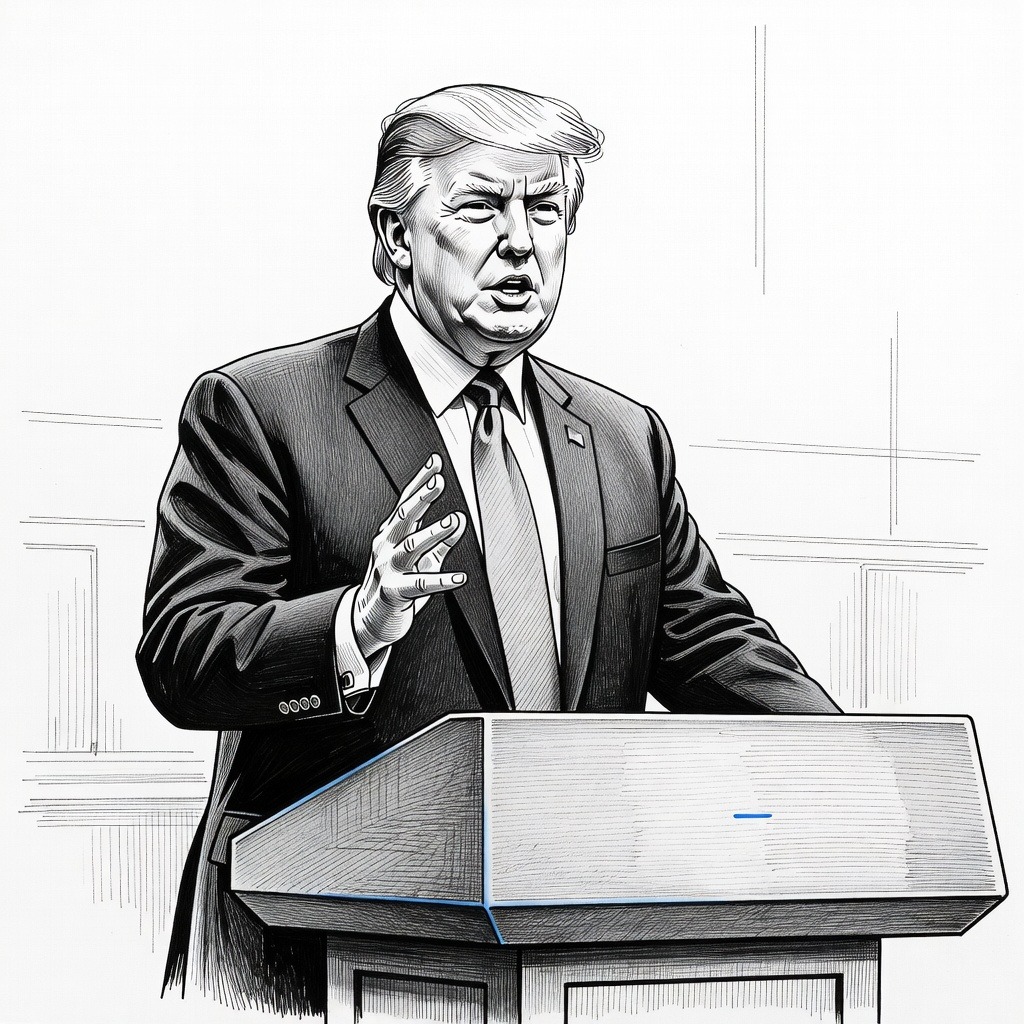
• De-escalate Through Multilateral Mediation The primary path to enduring stability lies in diplomatic de-escalation and international cooperation rather than unilateral military force. The ongoing indirect negotiations through mediators from Qatar, Pakistan, and Oman represent the only viable framework to salvage the June memorandum of understanding. Relying on airstrikes and military containment only dismantles fragile diplomatic channels and risks plunging the region into an uncontainable conflict.
• Protect Global Economic Vulnerabilities Sustained military action in critical trade corridors inflicts immediate, severe harm on the global population by driving up basic living costs. The instant 5% surge in Brent crude to $79.59 per barrel demonstrates how rapidly militarization translates into inflationary pressure on everyday consumers. Prioritizing military dominance over maritime stability threatens to trigger catastrophic consequences for the global economy and vulnerable regional populations.
• Reject Transactional Security Imperialism The claim that the United States should "keep and run" the Strait of Hormuz and demand financial reimbursement undermines international law and sovereign equality. Treating vital global commons as a proprietary, revenue-generating military asset erodes America's moral authority and alienates regional partners. This transactional approach to global security creates dangerous precedents that incentivize resource-grabs and unilateral territorial claims worldwide.
How it may affect me
As a U.S. reader:
• You will likely experience a short-term increase in fuel and energy costs as a direct result of the immediate 5 percent surge in global oil prices, with Brent crude rising to nearly 80 dollars per barrel following the military strikes.
• You may face broader, long-term inflationary pressures on everyday consumer goods if sustained military action in the Strait of Hormuz continues to disrupt critical global trade corridors and maritime shipping lanes.
• You could see your tax dollars utilized differently if the U.S. government pursues policies demanding financial reimbursement from foreign nations to offset the high costs of policing and securing international waterways.
• You may see a heightened risk of regional instability affecting U.S. service members stationed abroad, as Iran has launched retaliatory strikes against neighboring Persian Gulf nations hosting U.S. military bases.of_