
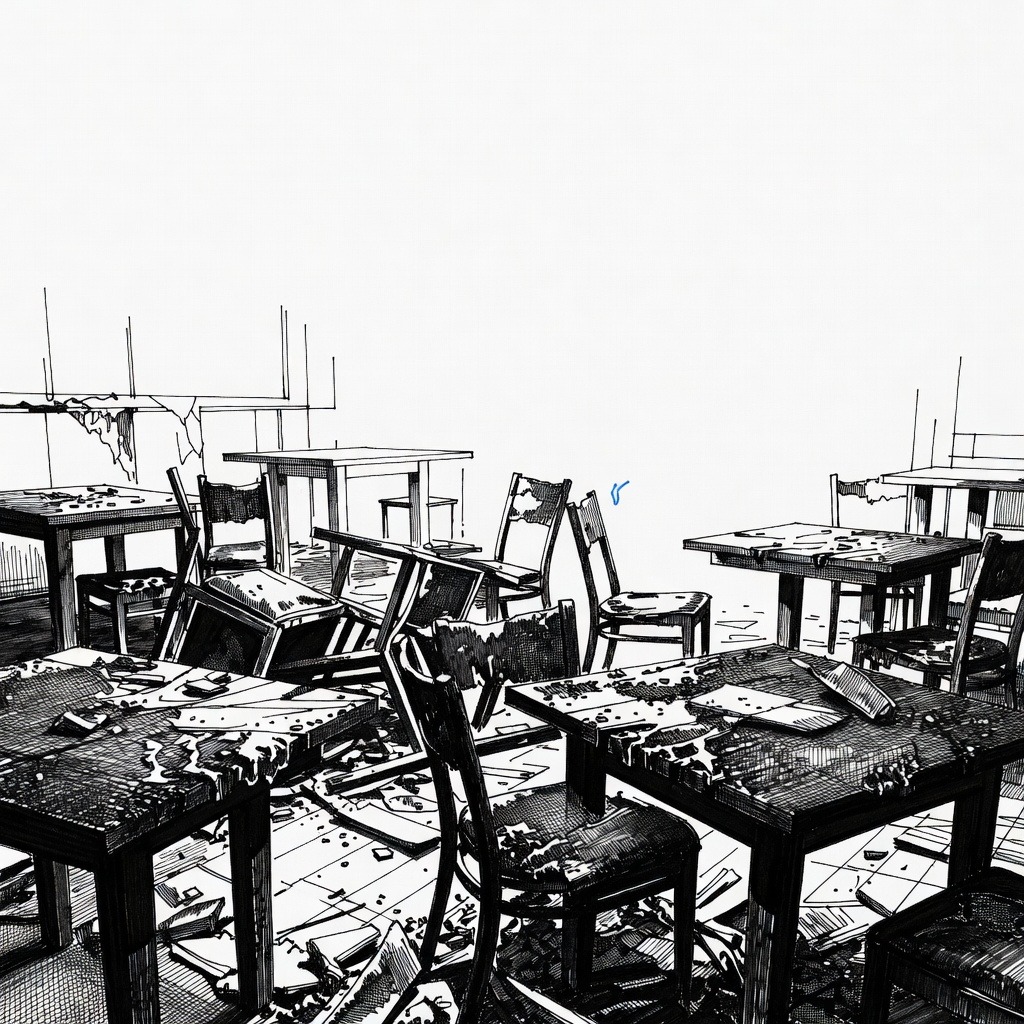
Illustration for: At Least 27 Dead After Fire Engulfs Bangkok Pub
AI-generated illustration. Visual interpretation does not represent real individuals or scenes.

At Least 27 Dead After Fire Engulfs Bangkok Pub

2026-07-13

The BareStory

A massive fire broke out at the Na Ladprao pub in northern Bangkok early Monday morning, resulting in the deaths of at least 27 people. Rescuers and first responders reported that the fire began around midnight on July 13, 2026. Online footage showed a large blaze with thick black smoke billowing from the front door as patrons attempted to escape. Firefighters took approximately 30 minutes to bring the flames under control.

Thailand Prime Minister Anutin Charnvirakul visited the scene and confirmed the death toll, noting that several injured individuals were transported to hospitals. According to the Prime Minister, many of the victims were found in the restrooms located at the back of the pub. Photographs from the aftermath showed heavily damaged interiors with charred tables and chairs.

The exact cause of the fire is currently under investigation. However, Prime Minister Anutin stated that a performing musician reported seeing smoke emerge from a circuit breaker near the stage before the power cut out, which was followed by an explosion and rapidly spreading thick smoke.

This incident follows previous nightclub fires in Thailand. In 2022, a fire at a music venue in the eastern part of the country killed 14 people. Additionally, a fire on January 1, 2009, at the Santika nightclub in Bangkok killed 66 people and injured more than 200 others, an event reportedly sparked by an indoor fireworks display.

Left Perspective

  • Expose Systemic Safety Failures: Protecting human life requires challenging the institutional status quo that tolerates substandard commercial safety measures. The tragic deaths of 27 patrons at the Na Ladprao pub, many found trapped in rear restrooms, reveal a systemic failure in emergency exit design and building enforcement rather than a mere localized accident. For reformers, this recurring pattern of nightclub disasters—including the 2009 Santika club fire and the 2022 music venue tragedy—proves that regulatory oversight remains dangerously weak and subservient to commercial interests.
  • Challenge Regulatory Negligence: True public safety demands absolute accountability from state inspectors and owners who permit hazardous conditions to persist. The rapid spread of toxic smoke and sudden power loss following a circuit breaker explosion point to neglected electrical infrastructure and highly flammable interior materials. Reformers view this event as an urgent mandate to dismantle the corrupt or lax inspection regimes that allow high-occupancy venues to operate without adequate fire suppression systems.
  • Dismantle Persistent Safety Inequity: The failure to implement sweeping, national safety reforms after previous fatal fires highlights a disregard for the well-being of everyday citizens in leisure spaces. If the lessons of the 2009 Santika disaster had been codified into permanent, strictly enforced safety mandates, the patrons at Na Ladprao would not have been trapped in a smoke-filled venue. The long-term risk of failing to demand immediate, aggressive state intervention is the normalization of preventable mass casualty events in public nightlife.

Right Perspective

  • Preserve Established Orderly Protocols: Maintaining social order and public trust requires relying on established legal procedures and official investigations rather than rushing to systemic judgment. The immediate on-site response by Prime Minister Anutin Charnvirakul and the rapid 30-minute containment of the blaze by firefighters demonstrate that state emergency infrastructure functions effectively when mobilized. Traditionalists prioritize allowing professional investigators to determine the precise technical cause of the circuit breaker failure before assigning systemic blame.
  • Enforce Existing Civic Compliance: Resolving public safety challenges relies on enforcing the rule of law and holding individual operators accountable to existing standards, rather than enacting disruptive overregulation. The fact that previous disasters like the Santika fire resulted in clear investigations suggests that the legal framework for accountability already exists. For traditionalists, the path to safety lies in personal responsibility, civic duty, and the strict enforcement of current codes against negligent actors, rather than placing bureaucratic burdens on law-abiding businesses.
  • Mitigate Institutional Trust Erosion: Reacting to isolated tragedies with sweeping regulatory overreach threatens economic stability and undermines public confidence in state institutions. Overreacting to the Na Ladprao fire by imposing draconian restrictions on the entire hospitality sector risks harming the broader economy and disrupting social continuity. The critical priority is to restore order quietly through targeted legal enforcement, ensuring that justice is served without destabilizing the nation's vital tourism and entertainment infrastructure.

How it may affect me

As a U.S. reader:

• U.S. citizens planning to travel to or currently residing in Thailand may face short-term disruptions in the local hospitality sector as authorities conduct investigations and enforce existing safety regulations.

• U.S. tourists visiting Thai nightlife venues could experience heightened safety risks if systemic failures in building codes, emergency exit designs, and electrical infrastructure are not actively addressed.

• Long-term, U.S. travelers may benefit from safer entertainment venues if the tragedy prompts stricter enforcement of fire suppression and building safety standards, or they could face a more restricted nightlife environment if government officials impose sweeping regulatory crackdowns.

Read the story at